The Iranian parliament passed a resolution early this week that increases criminal penalties for citizens who communicate with foreign media outlets, institutions, or individuals. If the measure receives final approval from higher government authorities, Iranians could face up to two years in prison for any unauthorized contact with U.S. media, foreign embassies, or international organizations, whether the interaction occurs inside or outside Iran.
The legislation follows a 12-day war in June 2025 involving Israel and the United States. According to a May report by Amnesty International, the Iranian government has since increased security measures, including the imprisonment and execution of individuals accused of sending video footage to foreign entities. Recently, photographer Yalda Moaiery was sentenced to 15 years in prison for providing photographs of strike zones to organizations linked to the U.S. and Israel.
Under the new resolution, Iranians must obtain written permission from the Ministry of Foreign Affairs before interacting with foreign entities. The bill also prohibits educational and research activities linked to foreign organizations, carrying a potential 10-year prison sentence for activities deemed incompatible with Iranian culture. Supporters, including IRGC advisor Professor Mohamadyaser Ershadmanesh, stated the law is a necessary tool to identify those working against national interests and to prevent foreign intelligence interventions.
The scale of the impact involves the entire Iranian population of over 85 million people, who must now weigh the risk of a two-year prison sentence against the use of international communication tools. To avoid legal consequences, many residents are moving their digital lives to domestic platforms such as Rubika or Kasheef. While these apps allow for legal communication, users reported that these domestic alternatives facilitate easier monitoring by the state security apparatus.
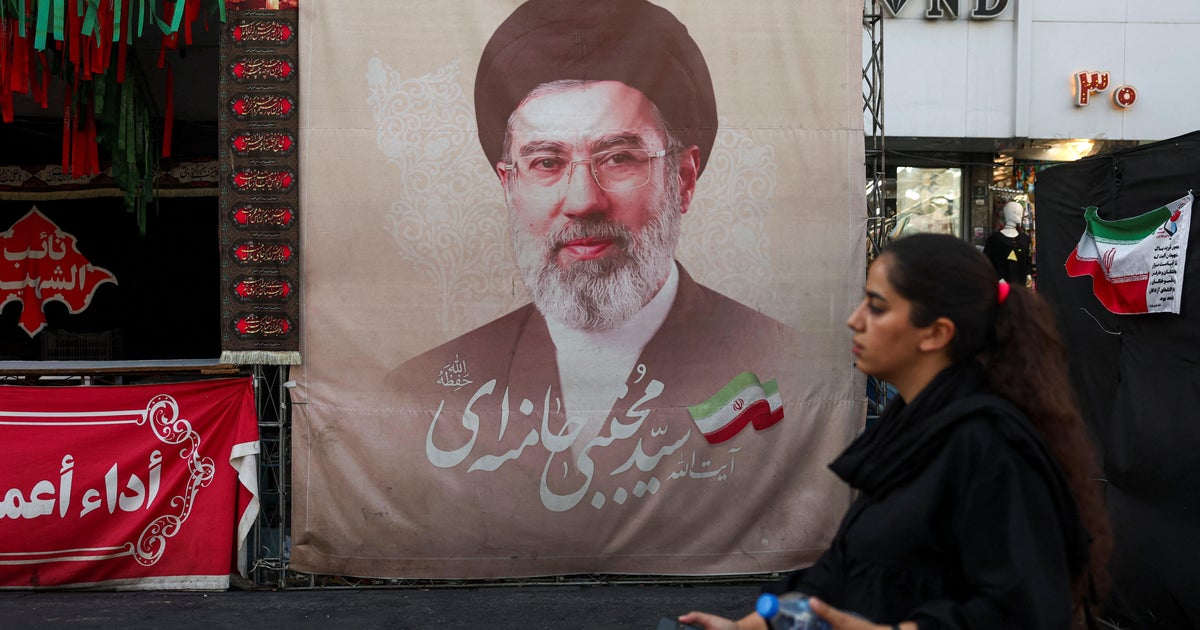
The resolution sets a precedent for the total restriction of international academic and journalistic exchange within the country. It formalizes a move toward national isolation following the leadership transition to Ayatollah Mojtaba Khamenei. To become law, the bill must now be approved by the Guardian Council and reviewed by the Expediency Discernment Council. While specific dates for these reviews were not reported, the legislation is widely expected to be finalized due to current wartime security policies.