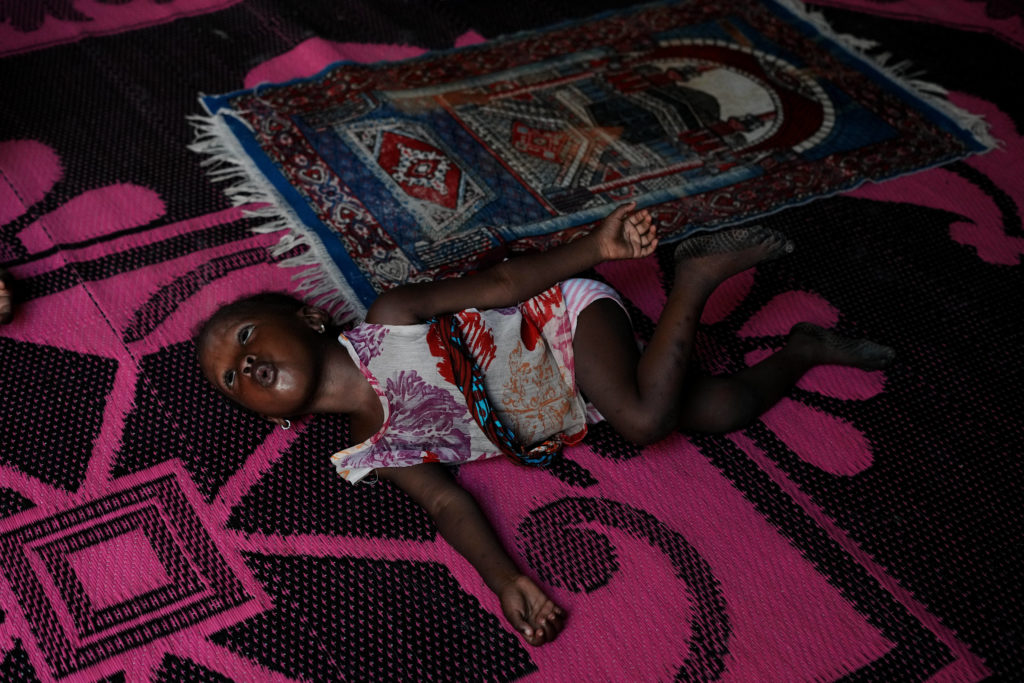
Health workers in northern Nigeria report an increase in child malnutrition relapses, citing economic instability exacerbated by the ongoing conflict in Iran. The closure of the Strait of Hormuz has led to a global fuel shock, causing Nigerian petrol prices to rise from 800 naira ($0.58) to 1,400 naira ($1.02) per liter between February and April. This increase has significantly raised the cost of food and fertilizer in a region already affected by domestic insurgency and high inflation.
A recent UNICEF report warns that if the Middle Eastern conflict continues, an additional 23.4 million children could fall into poverty by the end of the year, with 80% of those affected residing in Africa and Asia. In the state of Sokoto, local hospital records indicate dozens of children previously treated for malnutrition have returned for additional care as families struggle to afford consistent meals. UNICEF Executive Director Catherine Russell stated that long-term consequences include stunted development and lower school enrollment due to financial stress.
The economic pressure follows domestic reforms by President Bola Tinubu, including the removal of fuel subsidies and currency devaluation. Additionally, local agricultural production has been hampered by both the rising cost of supplies and security threats from armed groups. A World Bank report recently estimated that 139 million Nigerians are currently living in or are vulnerable to poverty.