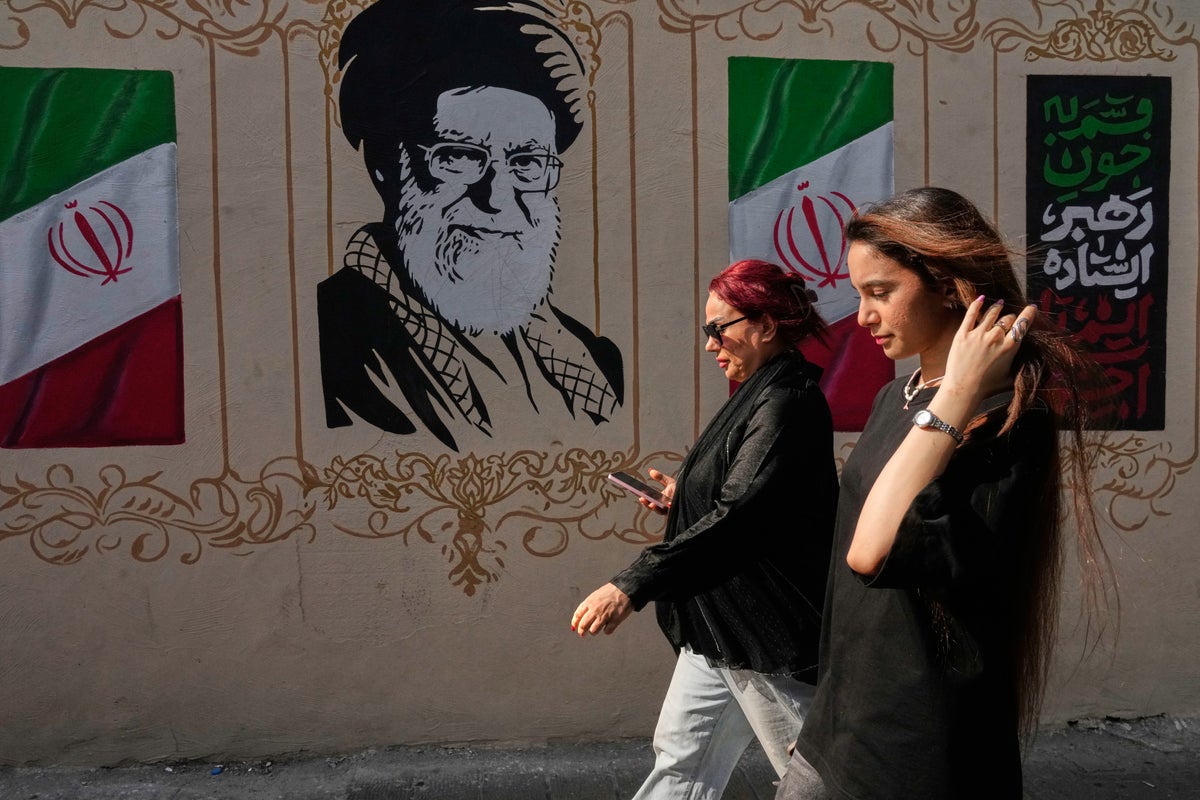
Iran's Foreign Ministry announced Monday that it will respond to expected U.S. sanctions with "harsh" measures, according to spokesperson Esmail Baghaei. The warning comes as the U.S. prepares to expand economic penalties in response to Iran's continued restriction of shipping through the Strait of Hormuz, a critical waterway for global oil trade. Baghaei stated that Iran's response would include actions against countries cooperating with Washington, noting that the nation's "hands are not tied."
The tension follows nearly six months of conflict during which Iranian attacks and threats have disrupted traffic in the Strait of Hormuz, where one-fifth of the world’s traded oil passed before the war. Iran has conditioned the reopening of the strait on the lifting of a U.S. naval blockade, the withdrawal of U.S. forces from the region, and reparations for war damages. Simultaneously, Iran is negotiating with Oman to manage the waterway independently of any agreement with the United States.
In other regional developments, Syrian and Israeli officials met in Jordan over the weekend to discuss a potential security agreement. The U.S.-mediated talks followed an Israeli airstrike on the Abu Duhur air base in Syria last week. According to the Syrian state news agency SANA, Syria asserted its right to form military alliances and called for the withdrawal of Israeli forces from a buffer zone occupied since December 2024. Israel stated the initial strike was intended to prevent Turkey from establishing a military presence at the base.
Meanwhile, in the West Bank village of Qusra, Palestinian American Loui Ridi reported on Monday that he remains unable to move freely after his home was besieged by Israeli settlers two weeks ago. The Israeli military has declared the area a closed zone, requiring residents to obtain prior authorization for movement. While U.S. Ambassador to Israel Mike Huckabee characterized the settler violence as terrorism, Ridi stated that Israeli police have not announced any arrests following the multi-week standoff.
For U.S. citizens and residents living or traveling in the West Bank, such as Loui Ridi, the escalation in settler violence and the subsequent military restrictions impose concrete changes to daily safety and legal rights. Residents in affected areas like Qusra must now coordinate with the Israeli military just to purchase food and water. The use of makeshift drone bases in residential areas and the requirement for military authorization to leave one's home represents a significant shift in the day-to-day administration of the territory, affecting approximately 3 million Palestinians and 560,000 settlers.
The diplomatic meetings between Israel and Syria represent a move to manage regional escalation following 14 years of Syrian civil war. However, the lack of immediate comment from Israeli officials and the conflicting demands regarding the Golan Heights and buffer zones suggest that a formal security agreement remains unresolved. The next steps involve the formal announcement of the U.S. sanctions package and Iran's subsequent response, which the Foreign Ministry indicated would target not just the U.S. but its international partners. The Israeli military's eventual withdrawal from the closed zone in Qusra will also determine whether local residents regain full freedom of movement.