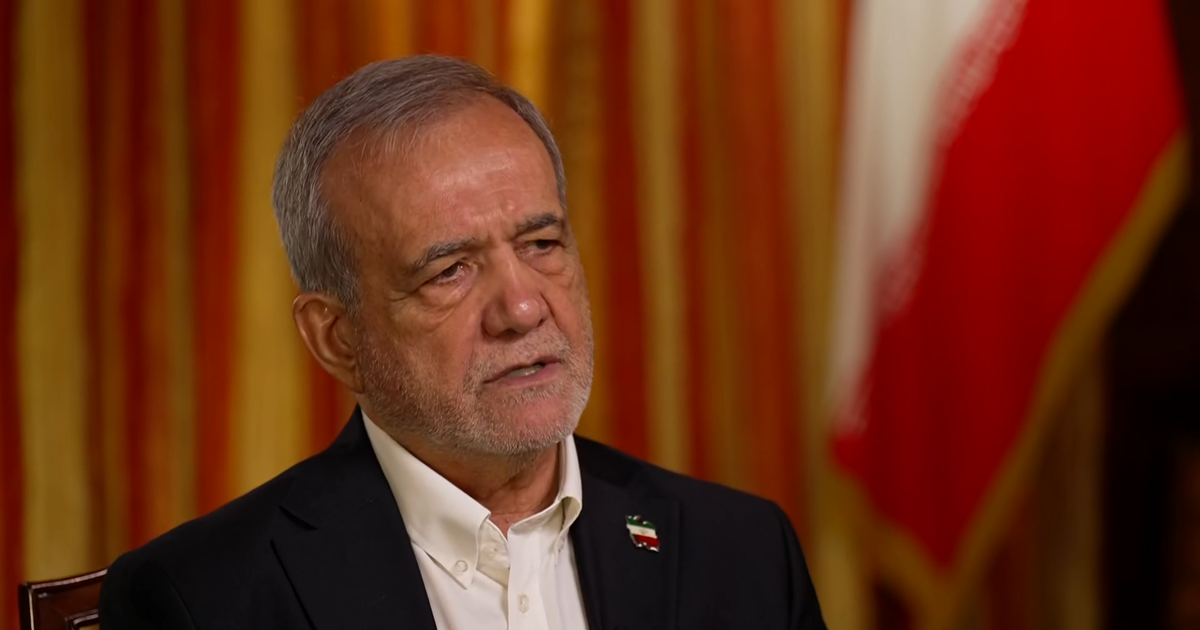
Iranian President Masoud Pezeshkian stated in a recently recorded interview that Tehran's foreign minister has proposed a seven-day timeline to reopen the Strait of Hormuz if the United States meets specific conditions. The proposal, delivered through mediators in New York, suggests that reopening the waterway would lead to broader discussions regarding regional conflict and Iran's nuclear program.
The diplomatic overture follows months of military activity in the region that began in late February 2026. A U.S.-Iran ceasefire in April 2026 and a June 2026 Memorandum of Understanding (MOU) briefly calmed global energy markets, but the agreement faltered in July 2026. According to the Congressional Research Service (CRS), conflict resumed after Iranian forces attacked commercial vessels that Iran claimed were using unauthorized shipping routes.
President Pezeshkian confirmed that he and President Donald Trump signed the June MOU, which originally planned for the removal of a U.S. naval blockade and safe passage for vessels. However, Pezeshkian attributed the current breakdown to a "lack of coordination" and the U.S. failure to honor commitments. He stated that Iran remains committed to the MOU's framework but noted that the atmosphere of distrust is high, citing the deaths of Iranian scientists and the previous Supreme Leader during U.S. and Israeli military actions.
For U.S. policy, the situation involves potential shifts in military posture and economic commitments. President Trump has proposed a "Guardian Angel" project, suggesting that Gulf countries should pay or invest in the U.S. in exchange for maritime protection. If the new Iranian proposal is accepted, it would initiate a phased reopening of the Strait, potentially easing the U.S. naval blockade that was reimposed in August 2026. However, if negotiations fail, the CRS notes that the U.S. may consider ground operations along Iran’s coast to neutralize military capabilities.
The outcome will dictate the legal and operational rights of transit through territorial waters shared by Iran and Oman. While Pezeshkian stated that Iran does not seek a nuclear weapon and would allow inspectors under a new agreement, he maintained that previous U.S. and Israeli strikes on nuclear sites were illegal under international law. The next steps depend on the U.S. response to the seven-day proposal; if accepted, Pezeshkian indicated the process could begin immediately, though he expressed skepticism regarding whether the U.S. intends to resolve the issues or seek a change in the Iranian administration.