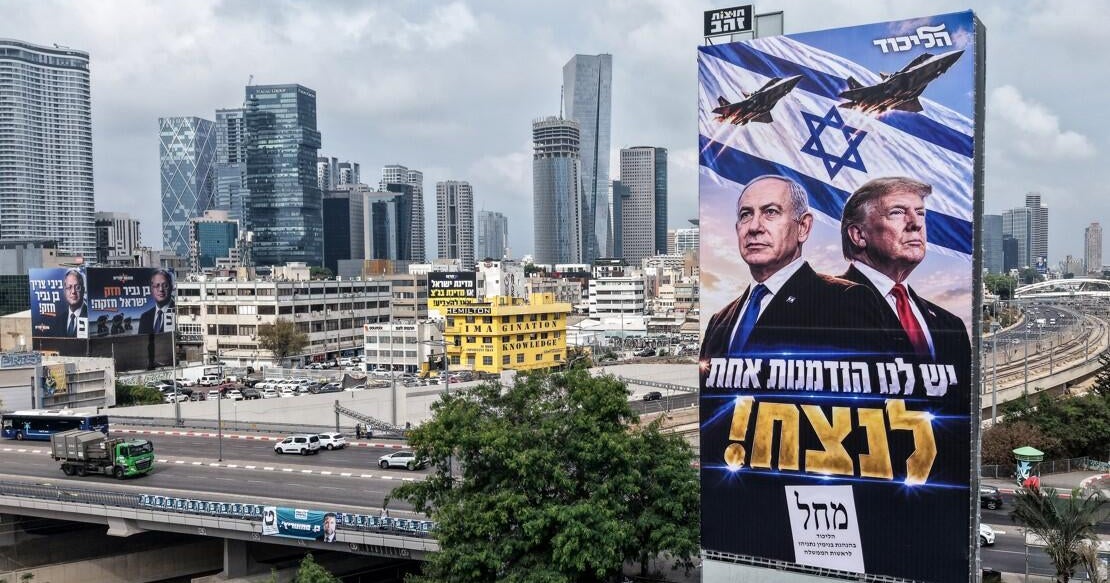
Israelis will vote Tuesday in a parliamentary election to determine the next government, marking the first national poll since the Oct. 7, 2023, attacks by Hamas. Polls currently show a closely contested race between a bloc led by Prime Minister Benjamin Netanyahu and a "change bloc" of diverse parties seeking to replace him. Analysts suggest neither side is likely to secure a decisive 61-seat majority in the 120-seat Knesset, Israel's parliament.
The election follows three years of conflict on multiple fronts, including ongoing wars in Gaza and Lebanon and direct rounds of conflict with Iran. Prime Minister Netanyahu, leader of the Likud party, is seeking to maintain his coalition with ultranationalist and religious parties. His opponents, led by Yashar party leader and former military chief Gadi Eisenkot, have campaigned on platforms that include launching a state inquiry into the intelligence failures surrounding the 2023 Hamas attack.
Netanyahu has focused his campaign on the claim that only he can prevent Iran from obtaining a nuclear weapon and work effectively with U.S. President Donald Trump, who recently endorsed the Prime Minister. Eisenkot has accused Netanyahu of using fear-mongering and has emphasized his background as a veteran. Additional factors that could influence the outcome include voter turnout among Arab Israelis, who make up 20% of the population, and the performance of two new parties that support ending military service exemptions for ultra-Orthodox Jewish citizens.
A person in Israel would notice the impact through their potential military enlistment requirements or the progress of ongoing conflicts in Gaza and Lebanon. Because neither bloc is expected to win a clear majority, a stalemate could lead to weeks of coalition negotiations or a minority government supported by abstentions. If no agreement is reached, the precedent set between 2019 and 2022 suggests the country could face another election do-over, leaving the current caretaker government in place for months.
The knock-on effects extend to international relations and regional security. President Trump has stated that the U.S. under his administration may be disinclined to continue joint efforts against Iran if Netanyahu is not in power. Following Tuesday's vote, the official results will determine the number of Knesset seats each party holds, triggering a period of formal coalition-building. If no leader can form a majority, new elections will be scheduled for a later date.