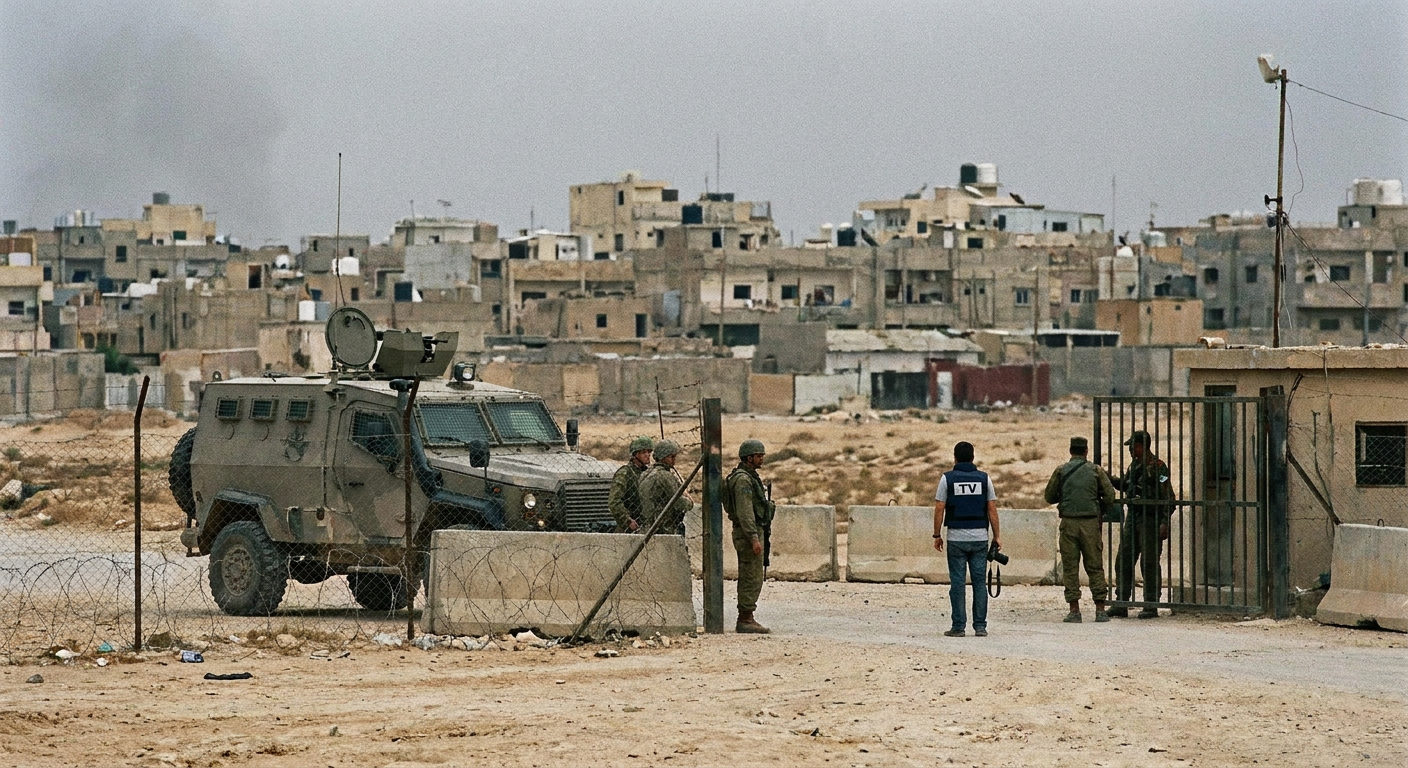
Israel continues to restrict independent access for foreign journalists to Gaza three years after the start of the conflict and more than one year into a declared ceasefire. According to the Foreign Press Association (FPA), international media organizations remain unable to send reporters into the enclave without being part of military embeds. The Israeli government did not respond to NPR's inquiries regarding the ongoing limitations on press access.
The restriction began at the start of the war on October 7, 2023. During this period, reporting from within Gaza has been conducted primarily by Palestinian journalists. The Israeli military has allowed foreign journalists to enter when embedded with its forces, a process where the military controls locations and subjects, and does not allow interviews with Palestinian residents.
The Foreign Press Association filed a petition with Israel's Supreme Court early in the conflict to argue for independent access. The court rejected that initial petition, and a decision on a second filing has been postponed several times. While the Israeli government has previously cited safety concerns for journalists, the FPA argues that news organizations should be allowed to determine their own risk levels, especially as combat levels have declined since the ceasefire began.
For news consumers, this means the information coming out of Gaza is either filtered through military embeds or provided by local reporters who face significant physical risks. The CPJ reports that 247 journalists and media support staff have been killed across the Middle East since the start of the war, with the majority occurring in Gaza. The lack of access prevents external observers from independently documenting the daily lives of Gaza's residents and the effects of Israeli strikes—which health officials say occur almost daily.
Reporters Without Borders notes that the policy limits transparency regarding activities within the enclave. The next potential development in this policy could occur following the Israeli national elections scheduled for later this month, which Clayton Weimers of Reporters Without Borders suggests could lead to a change in policy.