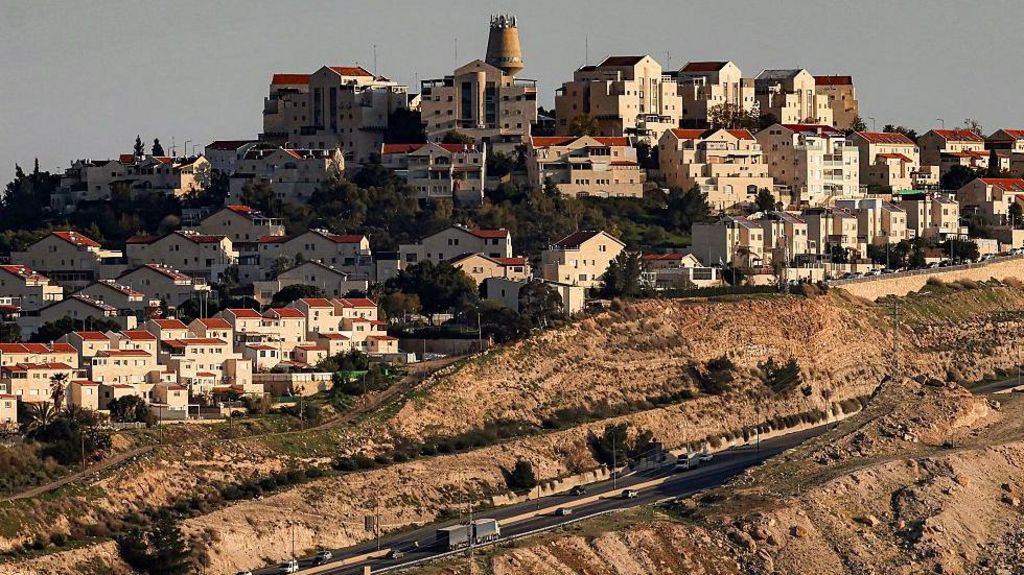
The Israeli government has opened tenders for the construction of approximately 1,200 housing units in the E1 area of the West Bank. The Ministry of Housing issued the bid for 1,234 of the 3,401 units previously approved by the government in August 2025. The project is located in a 12-square-kilometer area situated between East Jerusalem and the settlement of Maale Adumim.
The E1 development has faced international opposition for decades, as critics argue it would bisect the West Bank and isolate East Jerusalem. Israel captured the West Bank and East Jerusalem in the 1967 Middle East War, later annexing East Jerusalem in 1980—a move not recognized by most of the international community. While settlements are considered illegal under international law, successive Israeli governments have allowed them to expand, with a sharp increase noted since late 2022.
The deadline for construction bids is set for October 19, which is eight days before Israel’s general election on October 27. According to the Israeli anti-settlement group Peace Now, this timing is intended to finalize contracts that would be difficult for a successor government to revoke. Finance Minister Bezalel Smotrich previously stated that the objective of the project was to prevent the creation of a Palestinian state.
For residents in the region, the construction would change the day-to-day geography of the territory. Critics like Peace Now argue the project would physically sever the connection between the northern and southern West Bank and prevent a contiguous Palestinian urban area from linking Ramallah, East Jerusalem, and Bethlehem. This would alter how Palestinians travel between major hubs and where they can access housing and services. The project is being moved forward now to ensure that legal contracts with private builders are signed before the October 27 election, creating a legal obligation that persists regardless of the election outcome.
The knock-on effects include a potential shift in international relations and the long-term feasibility of a two-state solution. Peace Now stated that the construction would "fundamentally" alter the strategic character of the region. The move sets a precedent for advancing long-delayed projects despite ongoing court challenges from Bedouin residents and peace groups. What happens next depends on the bidding process; once the October 19 deadline passes and contracts are signed, the government can proceed with groundbreaking, further integrating the E1 area into the Jerusalem municipal boundary.