The Plain Record

Neutral daily news — clear headlines, complete facts.

World

Israeli Exit Polls Indicate Legislative Stalemate Between Netanyahu and Opposition

Exit polls from Israel's Tuesday election show Prime Minister Benjamin Netanyahu's party as the largest in the Knesset but without a clear path to a majority coalition.

Background: Budget reconciliation, explained

Published October 29, 2026 at 1:21 AM EDT

The short answer

Exit polls from Israel's Tuesday election show Prime Minister Benjamin Netanyahu's party as the largest in the Knesset but without a clear path to a majority coalition.

Israeli Exit Polls Indicate Legislative Stalemate Between Netanyahu and Opposition

The Facts

Who
Prime Minister Benjamin Netanyahu, Yashar party leader Gadi Eisenkot, and the Israeli electorate.
What
Israeli legislative election results and exit polls.
When
Tuesday, October 27, 2026
Where
Israel
Why
Neither the incumbent coalition nor the opposition bloc secured the 61 seats needed for a majority, leading to potential government deadlock or new elections.

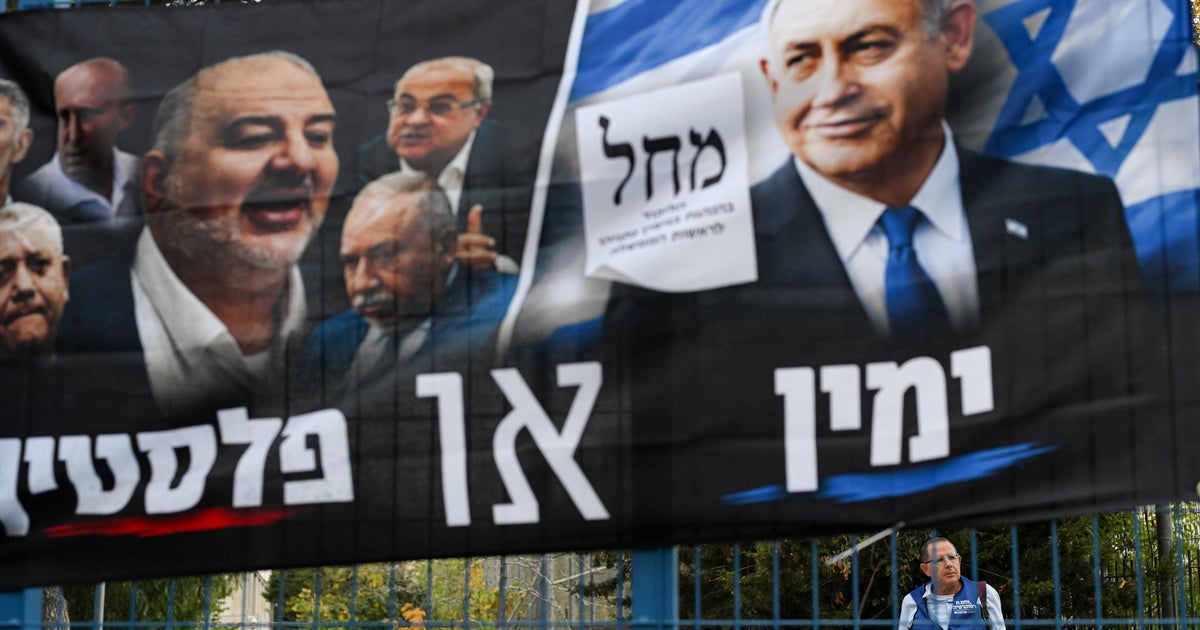
Exit polls from major Israeli television networks indicate that Tuesday’s legislative election resulted in a stalemate, with neither Prime Minister Benjamin Netanyahu’s coalition nor the opposition securing a clear majority. While Netanyahu’s Likud party emerged as the largest single party, early data suggests a majority of Israelis voted for parties opposing his current government. Both Netanyahu and his primary challenger, former military chief Gadi Eisenkot, now face a period of negotiations to attempt to form a coalition in the 120-seat Knesset.

This election marked the first national vote since the October 7, 2023, attacks by Hamas, an event authorities described as a significant security failure. The vote occurred while Israel remains engaged in military conflicts in Gaza, Lebanon, and Syria, and following confrontations with Iran. During the campaign, Netanyahu argued he required more time to complete ongoing military operations, while the "change bloc" led by Eisenkot focused on removing Netanyahu from power.

Exit polls showed a historic turnout for the Arab minority, with two Arab parties winning more seats in parliament than in any previous election. Arab citizens comprise approximately 20% of the population. Despite this, both Netanyahu and his opponents stated during the campaign that they would not form a government reliant on Arab parties. Eisenkot, whose Yashar party features a candidate list that is roughly 50% women, called on Netanyahu to retire following the exit poll results, while Netanyahu maintained that he needs more time to finish military campaigns.

If a stalemate persists, the precedent set between 2019 and 2022 suggests the country could be headed for another election. Recurring cycles of elections typically lead to legislative gridlock.

What happens next involves a period of coalition building where parties negotiate. If the opposition "change bloc" seeks to form a minority government, they would need the Arab parties to either vote in favor or abstain. However, if no leader can secure a majority, a new election will be triggered. Israeli police also reported one arrest on election day involving a man with a knife near a politician.

Timeline of what happened

Key dates and decisions, in the order they occurred.

  1. October 7, 2023

    Hamas attacks Israel, initiating security crisis and subsequent war.

  2. October 27, 2026

    Israelis vote in legislative elections; exit polls show no clear majority for any bloc.

Summaries are written by The Plain Record to state the facts of a story plainly and without political slant. Drafted with AI assistance and checked against the source record before publication. See how we report, or report a correction.

← Back to the front page

Questions readers ask

What happened: Israeli Exit Polls Indicate Legislative Stalemate Between Netanyahu and Opposition?

Exit polls from major Israeli television networks indicate that Tuesday’s legislative election resulted in a stalemate, with neither Prime Minister Benjamin Netanyahu’s coalition nor the opposition securing a clear majority. While Netanyahu’s Likud party emerged as the largest single party, early data suggests a majority of Israelis voted for parties opposing his current government.

Who is involved?

Prime Minister Benjamin Netanyahu, Yashar party leader Gadi Eisenkot, and the Israeli electorate.

When did this happen?

Tuesday, October 27, 2026

Where did this happen?

Israel

Why does this matter?

Neither the incumbent coalition nor the opposition bloc secured the 61 seats needed for a majority, leading to potential government deadlock or new elections.