The Japanese government executed 58-year-old Sunao Takami on Friday for a 2009 arson attack that killed five people at a gaming parlour. This mark the first time Japan has carried out a death sentence since June 2025.
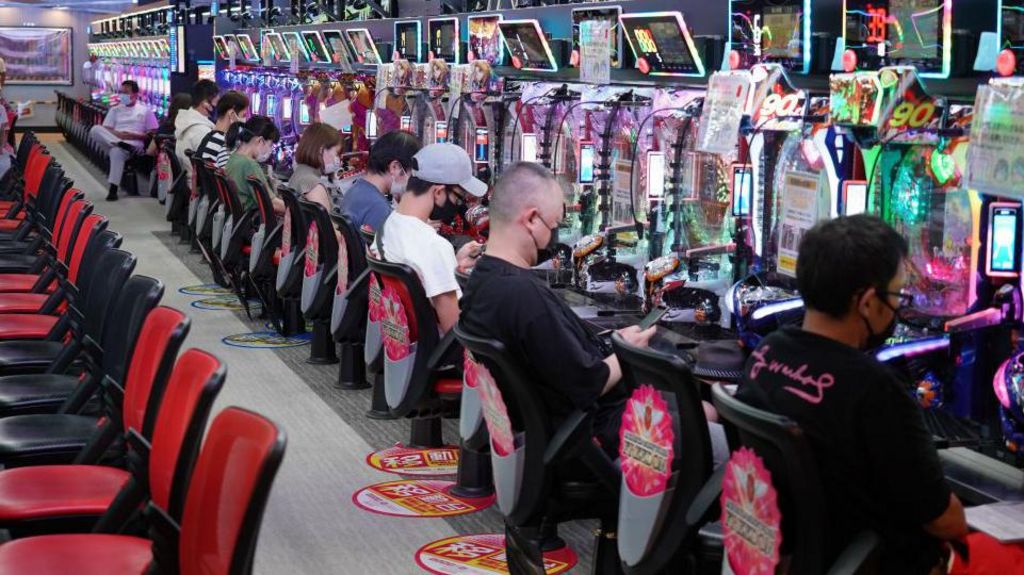
The execution stems from an incident in Osaka where Takami doused a pachinko gaming parlour—a popular Japanese gambling establishment—with gasoline and set it on fire. The attack resulted in the deaths of four customers and one employee.
In 2011, a judicial panel consisting of six jurors and three judges sentenced Takami to death by hanging. During the trial, the panel rejected arguments from the defense team asserting that Takami was mentally ill at the time of the killings. Justice Minister Hiroshi Hiraguchi stated on Friday that the execution order was issued after "careful and thorough consideration."
This is the first execution conducted under the administration of Prime Minister Takaichi. The previous execution occurred in June 2025, when Takahiro Shiraishi was put to death for the 2017 murders of nine people. Japan remains one of only two G7 member nations, alongside the United States, that continues to utilize capital punishment.
For the Japanese public, the event reinforces a judicial precedent where multiple homicides, such as the four customers and one employee killed in this instance, frequently result in the death penalty. The execution signifies the Takaichi administration's continuation of capital punishment policies following a 14-month interval since the last hanging. The move maintains Japan's position as an outlier among most industrialized G7 nations regarding the legality of the death penalty, a distinction it shares only with the U.S.
The immediate impact is the permanent closure of a legal case that has spanned 17 years since the crime occurred in Osaka. The specific timeline for any future executions remains unknown to the public and the inmates themselves until the day the sentences are carried out. Following this Friday's action, rights groups are expected to continue their advocacy against the secrecy of the timing and the conditions of confinement, while the Justice Ministry maintains that the process follows thorough legal review.