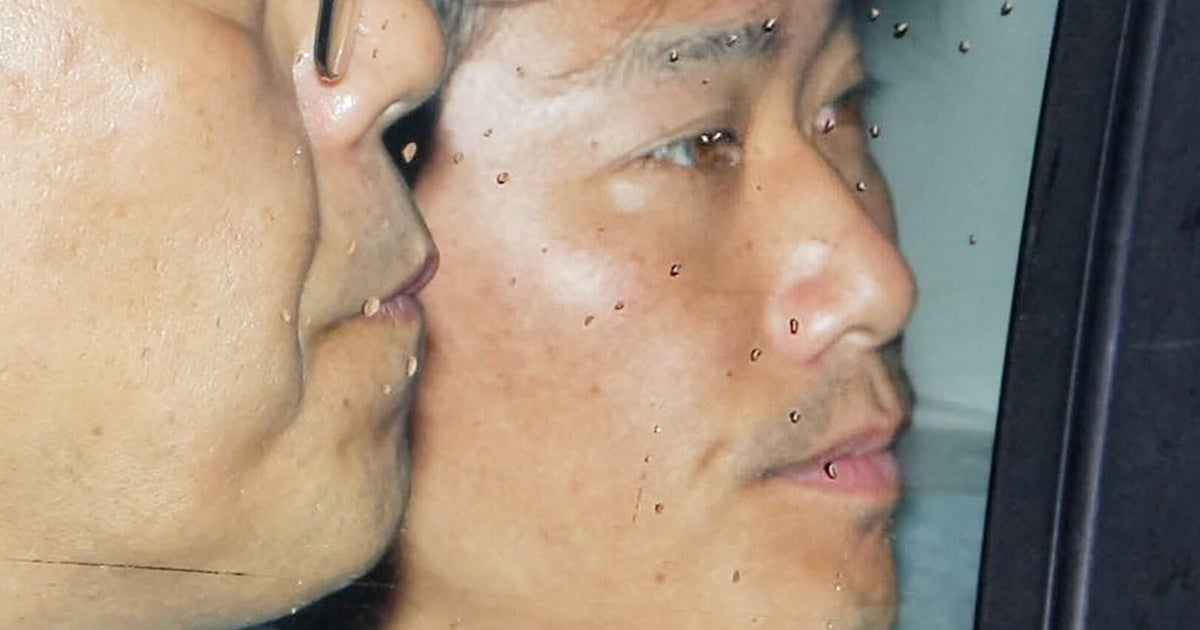
The Japanese government executed 58-year-old Sunao Takami by hanging on Friday. Takami was convicted for a 2009 arson attack at an Osaka pachinko parlor—a popular Japanese gaming hall—which resulted in the deaths of five people and injuries to 10 others.
The execution marks the first carried out under the administration of Prime Minister Sanae Takaichi. Justice Minister Hiroshi Hiraguchi announced the action during a news conference, stating he ordered the execution after thorough consideration. Takami was originally sentenced to death in 2011 by the Osaka District Court, a ruling upheld by the Supreme Court in 2016.
Justice Minister Hiraguchi confirmed that Takami used gasoline and a lit match to set the crowded building on fire. Hiraguchi defended the use of capital punishment, citing domestic surveys that show the majority of the Japanese public views the death penalty as an "unavoidable" option for serious crimes.
On a broader scale, the event affects Japan's international standing among the Group of Seven (G7) industrialized nations, where only Japan and the United States continue to practice capital punishment. While a 2024 government survey found 83% of Japanese respondents support the death penalty, the number of people favoring abolition has nearly doubled from 9% to 17% over a five-year period. Rights groups and legal advocates have increased pressure on the Justice Ministry following the 2024 acquittal of Iwao Hakamada, who spent decades on death row before a court ruled that evidence in his 1966 case had been tampered with.
The execution sets a precedent for Prime Minister Takaichi’s government, signaling a continuation of the country’s secretive execution protocols despite rising global totals of capital punishment, which Amnesty International reported rose 78% in 2025. Critics noted the timing of the hanging occurred during a parliamentary recess, though Hiraguchi denied this was a tactic to avoid legislative debate. The Justice Ministry maintains that disclosing more details about executions would disturb the mental state of other inmates. No specific dates for future executions have been announced, though Japanese law technically requires executions to occur within six months of a final verdict.