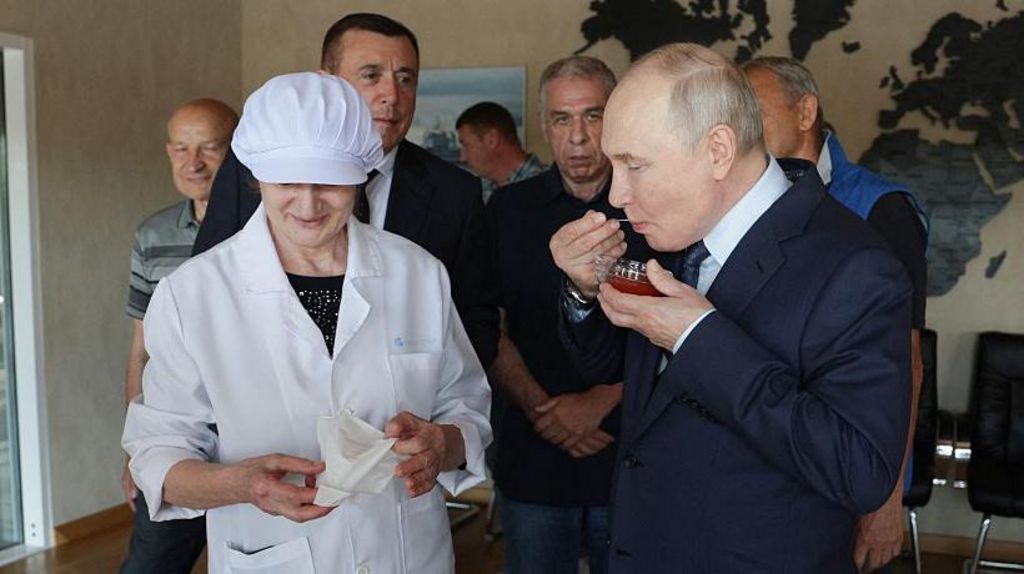
Japanese Prime Minister Sanae Takaichi stated Thursday that Russian President Vladimir Putin’s visit to the disputed Kuril islands is "absolutely unacceptable." The trip marked the first time the Russian leader has visited the chain, which consists of islands claimed by both Moscow and Tokyo.
The territorial dispute over the islands, which Japan refers to as the Northern Territories, has prevented the two nations from signing a peace treaty following World War II. While administered by Russia, Japan maintains the islands are historically and legally Japanese territory. The Soviet Union annexed the chain at the end of the war and deported approximately 17,000 Japanese residents.
During the visit to Iturup—known in Japan as Etorofu—Russian state media reported that Putin sampled fish roe and spoke with local residents. Prime Minister Takaichi told reporters that the trip "wounds the feelings of the Japanese people" and worsened sentiment toward Russia. Foreign Minister Toshimitsu Motegi also issued a formal protest, stating the islands are "inherently Japanese territory."
The scale of the military presence in the region is significant for maritime and regional security. Russia has spent the last decade increasing its military assets on the islands, using Iturup as its primary regional air base. For Japanese fishing vessels and maritime workers, the ongoing tension and regular Russian military drills in these waters mean continued risk of encounters with Russian forces. Just last month, the scale of regional military activity was highlighted when Chinese and Russian warships conducted a joint patrol through a strait in the Kuril chain.
In the long term, this visit suggests a move away from any immediate resolution of the post-WWII peace treaty, which would have defined legal rights and economic zones for both nations. The knock-on effects include potential increases in military spending or joint exercises by Japan and its allies in response to Russian activity. While the Japanese government has demanded Russia take the matter "very seriously," no specific dates for new diplomatic talks or further sanctions were reported following Thursday's events.