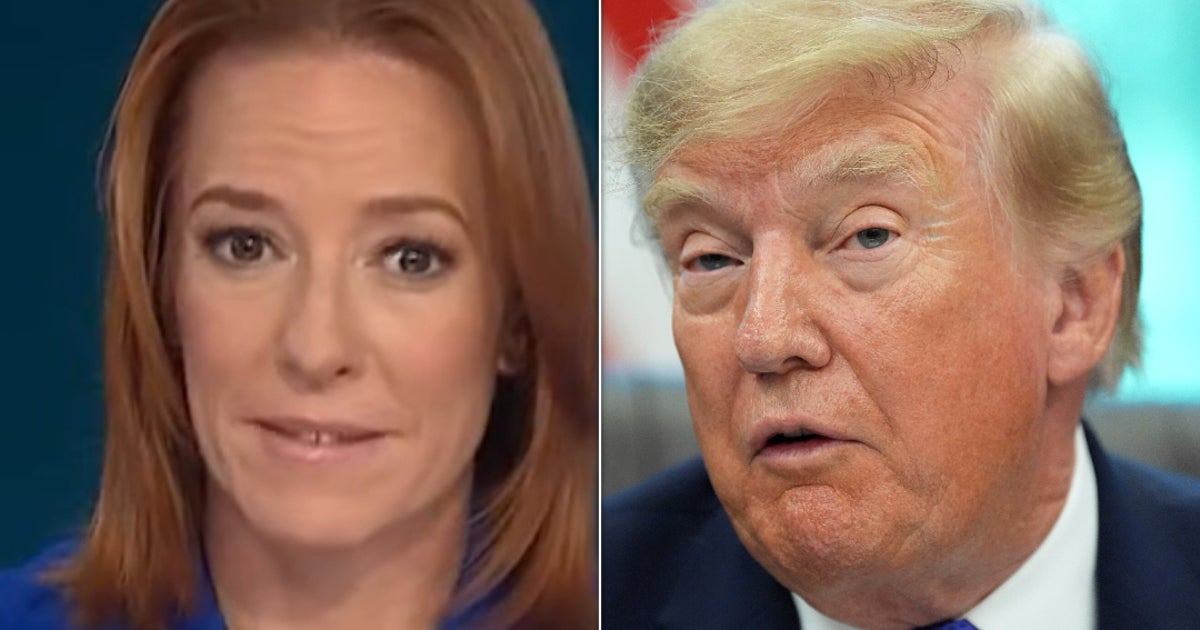
MSNBC anchor Jen Psaki described a campaign speech delivered by Donald Trump in Bullhead City, Arizona, on Wednesday, October 14, 2026, as his "most unhinged performance" to date. During her broadcast, the former White House press secretary stated that Trump’s rhetoric is becoming increasingly difficult to follow as polling for the Republican party declines weeks ahead of the 2026 midterm elections.
The comments followed a rally where Trump addressed a crowd regarding his security and medical detail. Psaki argued that the statements were part of a strategy to create distractions, but maintained that every Republican candidate in every race in the country should be required to answer for the things the former president is saying.
In one segment of the speech, Trump described a hypothetical scenario involving the doctors who travel with him. He stated that if an audience member suffered a medical emergency, such as a heart attack, his medical team would not assist them because they are required to stay by the president’s side. Trump used the term "collateral damage" to describe such a person and claimed the doctors would refuse his own requests to help a dying individual. Psaki disputed the accuracy of this claim, stating that medical professionals would not behave in that manner.
A person following these races would notice a shift in the focus of political questioning toward Trump's specific claims, such as his suggestion that government leakers should be shot, his thanks to Qatar for a new Air Force One, or his claim that high oil prices are a good thing. These exchanges may influence how voters perceive the party’s platform and its leadership just weeks before they cast their ballots. For students of political science or federal workers, the rhetoric concerning government leakers and the protocols of presidential medical teams highlights potential changes in administrative norms or legal standards regarding internal discipline and security procedures.
The knock-on effects could influence how the Republican party manages its messaging in the final weeks of the campaign cycle. If candidates are forced to spend time addressing these specific anecdotes, it may reduce their ability to focus on other policy areas like the economy or immigration. The next steps in this process will be the general election in November 2026, where the outcome will determine the balance of power in Congress. No specific court dates or legislative votes were reported in relation to these comments.