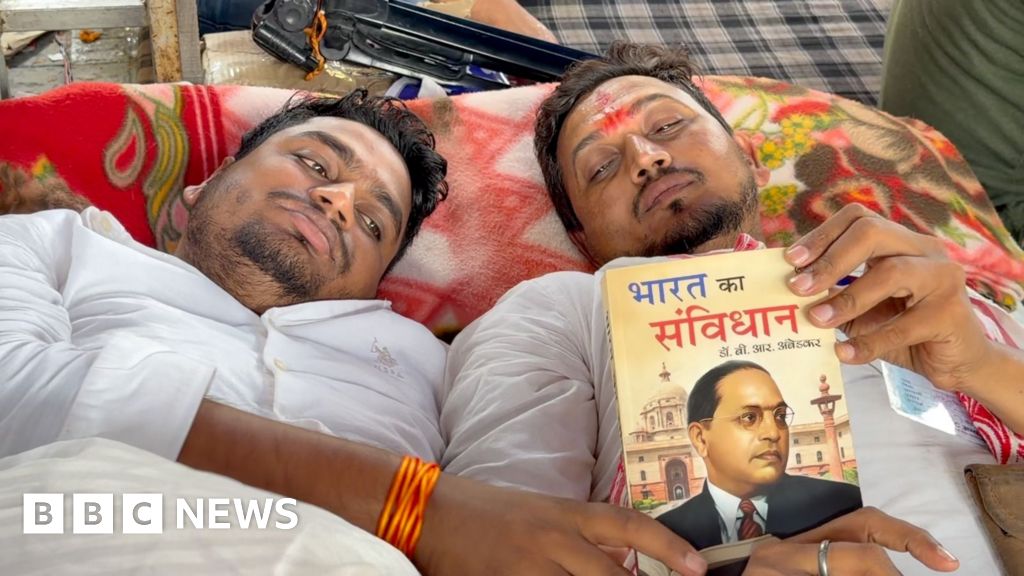
Job seekers and students in Jharkhand have launched a hunger strike and occupation in the state capital of Ranchi to protest alleged irregularities in the civil service examination system. Since July 25, hundreds of demonstrators have gathered at a stadium, demanding the cancellation of a preliminary exam held in April and a federal investigation into claims of manipulated results. The protest follows similar youth-led demonstrations in Delhi over examination paper leaks and recruitment delays.
The unrest began after the release of July results for the April civil service exam, which prompted allegations that answer sheets shared on social media showed successful candidates with unexpectedly low question counts. In response, the Jharkhand Public Service Commission (JPSC) postponed the next stage of the exam, and JPSC Chairman L. Khiangte resigned on July 22. The state's Criminal Investigation Department (CID) is currently investigating the allegations and has conducted raids on JPSC offices.
Protesters, including those on hunger strike like 27-year-old Umme Habiba and 28-year-old Savita Kumari, are demanding that the Central Bureau of Investigation (CBI), a federal agency, take over the probe from state authorities. They also seek a standardized, transparent schedule for recruitment to fill vacant government posts. Jharkhand Minister Deepika Pandey Singh stated that the government is open to discussing the cancellation of the April exam but urged protesters to allow the state CID to finish its work before seeking a federal inquiry.
The scale of the issue extends beyond Jharkhand, as the movement has received support from the Cockroach Janta Party (CJP), the youth group that led thousands in protests in Delhi. In Ranchi, the demonstrations have become a focal point for state politics; the opposition BJP has backed the students and raised the matter in the state assembly, while the Congress party, which is part of the governing coalition, has also voiced support for the students' concerns. The outcome of this agitation could set a precedent for how Indian state governments manage examination integrity and the selection of private companies to conduct public recruitment.
The concrete impact for these residents is a continued delay in career entry and financial independence. Protesters report that constant recruitment stalls force them to remain dependent on their parents well into their late 20s. While a government delegation and an 11-member student committee have been formed, a formal meeting had not occurred by Friday. The investigation remains ongoing as the CID examines the role of a private contractor used during the exam, and no new date for the postponed examinations has been set.