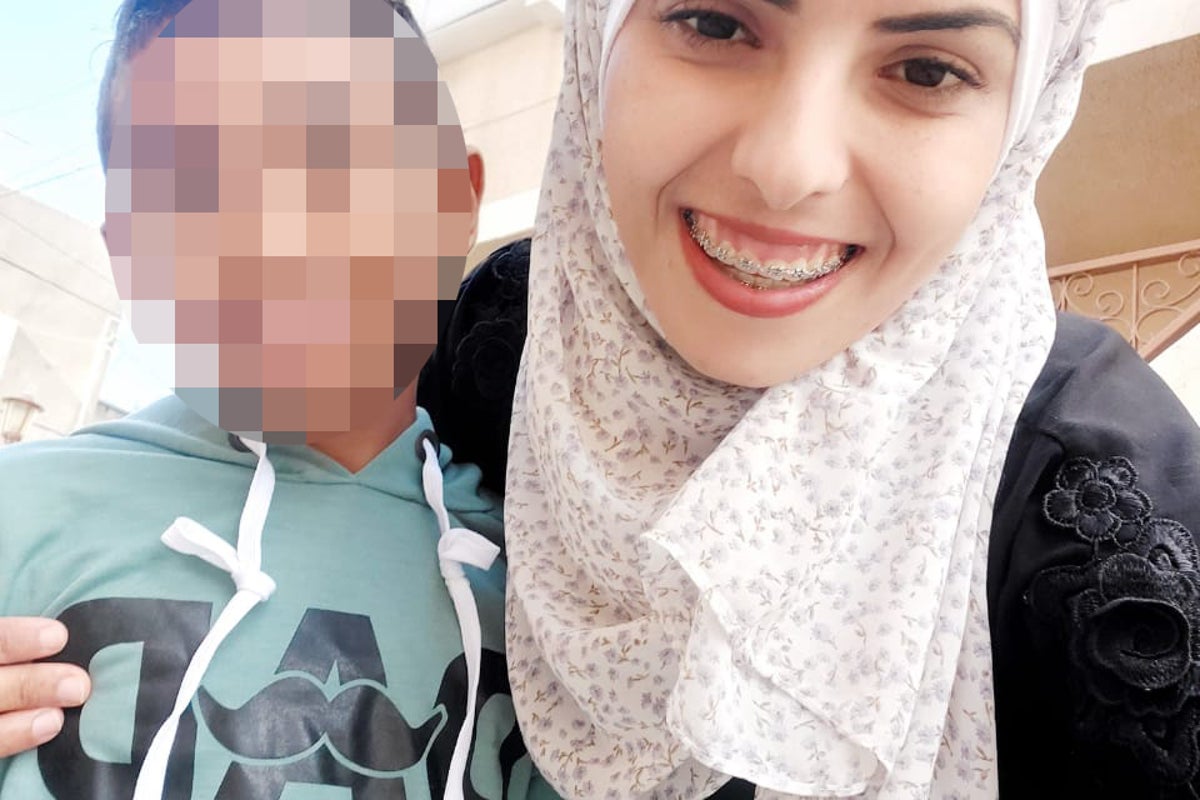
Mariam Abu Dagga, a 33-year-old journalist for Independent Arabia, was killed on August 25, 2025, during an Israeli military strike at Nasser Hospital in southern Gaza. The incident, described by witnesses as a "double-tap" strike, occurred while Abu Dagga was reporting on a previous explosion that killed Reuters cameraman Hussam al-Masri just minutes earlier. Abu Dagga is one of several media workers killed during the ongoing conflict, which the Committee for the Protection of Journalists has described as exceptionally dangerous for journalists.
Israeli Prime Minister Benjamin Netanyahu characterized the deaths of approximately 22 people in the event as a "tragic mishap." The Israeli military stated that the strike targeted a camera they alleged was positioned by Hamas to monitor Israeli Defense Forces (IDF) troops. The military later identified six individuals at the site as Hamas militants. Reuters confirmed that the targeted camera was part of their live broadcast feed from the hospital, which is a protected building under international law.
A year-long investigation by The Independent into the incident reported evidence of potential violations of international law. The Israeli military declined to respond to specific findings of that investigation, stating that a review remains ongoing under the General Staff Fact-Finding and Assessment Mechanism. In previous statements, the military has denied targeting journalists or committing war crimes in Gaza.
Abu Dagga began her career as a photographer in 2016 and had worked for the Associated Press, Médecins Sans Frontières, and Independent Arabia. Before her death, she had arranged for her 14-year-old son, Ghaith, to be evacuated to the United Arab Emirates, while she remained in Gaza to care for her parents. Her mother died of cancer in May 2024, and her father, to whom she had donated a kidney in 2015, survived her. Friends and colleagues described Abu Dagga as a dedicated professional who frequently focused her reporting on the experiences of women and children during the conflict.
The scale of the incident includes at least 22 fatalities in a single afternoon at Nasser Hospital, which was the last functioning medical facility in southern Gaza at the time. With over 100 journalists reported killed in the region since October 2023, the frequency of these deaths has led organizations like the Committee for the Protection of Journalists to rank this as the deadliest conflict for media workers on record. For the families of these workers, these events mean the permanent loss of primary caregivers and breadwinners, often while they are living in temporary shelters or displaced.
The legal and political implications of these strikes center on the status of hospitals and journalists under international law. The ongoing review by the IDF's General Staff Fact-Finding and Assessment Mechanism will determine whether any internal disciplinary actions or changes to rules of engagement occur. While the Israeli military maintains that it does not target journalists, the findings of independent investigations may influence future policy regarding the use of "double-tap" strikes in densely populated or protected areas. Further developments depend on the completion of the IDF’s internal review and potential proceedings at international courts.