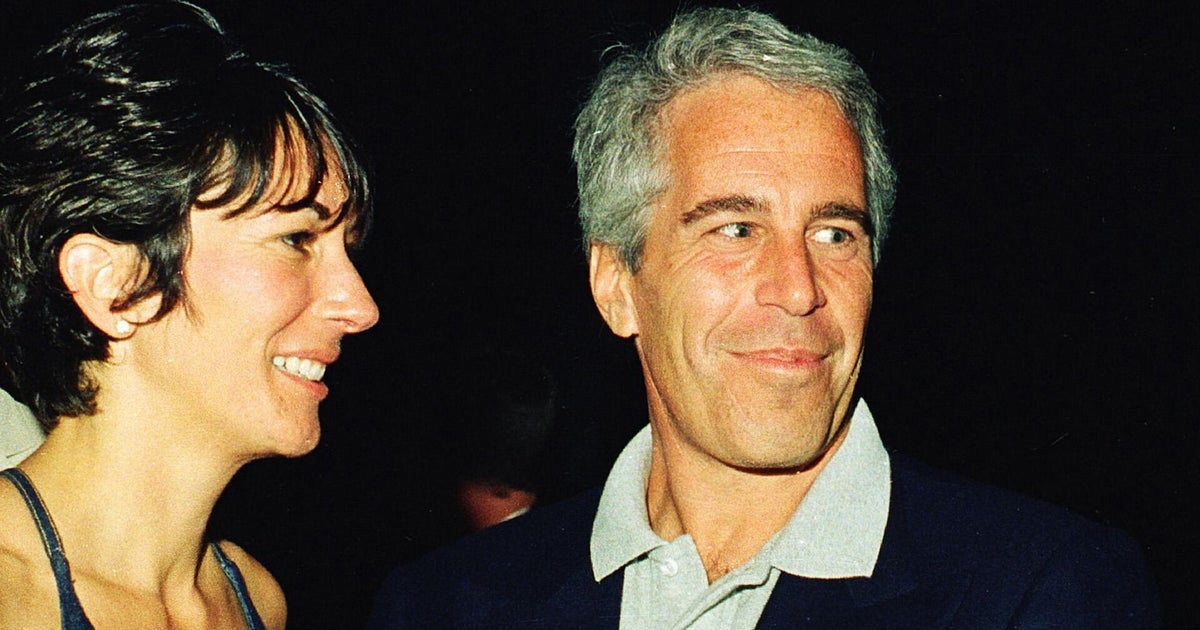
U.S. District Judge Paul Engelmayer on Tuesday rejected Ghislaine Maxwell's request to overturn her 2021 sex-trafficking conviction and 20-year prison sentence. In a 67-page decision, Engelmayer described Maxwell's claims as "meritless" and "frivolous," ruling that she failed to prove her constitutional rights were violated during her trial or sentencing.
Maxwell, who is currently representing herself while serving her sentence at a federal prison in Bryan, Texas, filed the petition last December. She argued that newly released documents from a federal investigation into Jeffrey Epstein, made public under the Epstein Files Transparency Act, provided grounds to vacate her conviction. However, Judge Engelmayer stated that the vast majority of her arguments were procedurally barred because they had already been addressed and rejected in prior appeals.
The judge further noted that the material Maxwell identified as "new evidence" was largely irrelevant to her specific case. According to the ruling, the documents from the Justice Department's investigation into Epstein—which totaled more than 2.5 million pages—actually served to "incriminate her or reinforce the correctness" of previous legal rulings rather than exonerate her. Maxwell had also reasserted that a 2007 nonprosecution agreement between Epstein and federal prosecutors in Miami should have barred her prosecution, an argument previously rejected by the Supreme Court.
The decision also clarifies the legal weight of the "Epstein Files," the 2.5 million pages of investigative material released by the Department of Justice. While the public release of these documents led to significant public interest and a House Oversight and Government Reform Committee investigation, this court ruling establishes that the material does not, in the court's view, contain exculpatory evidence that would change the legal standing of Maxwell's specific conviction. For legal observers and the Department of Justice, the ruling reinforces the precedent that nonprosecution agreements signed by one individual do not automatically extend immunity to associates in different jurisdictions.
What happens next is limited, as the judge ruled Maxwell failed to make a "substantial showing" of a denied constitutional right. While Maxwell has previously pursued multiple levels of appeal, including a petition to the Supreme Court that was turned away last fall, this latest ruling denies her effort to use the newly released federal files to reopen her case. No new criminal charges have been filed by the Justice Department following its review of the Epstein files and interviews, including a two-day interview with Maxwell conducted last summer.