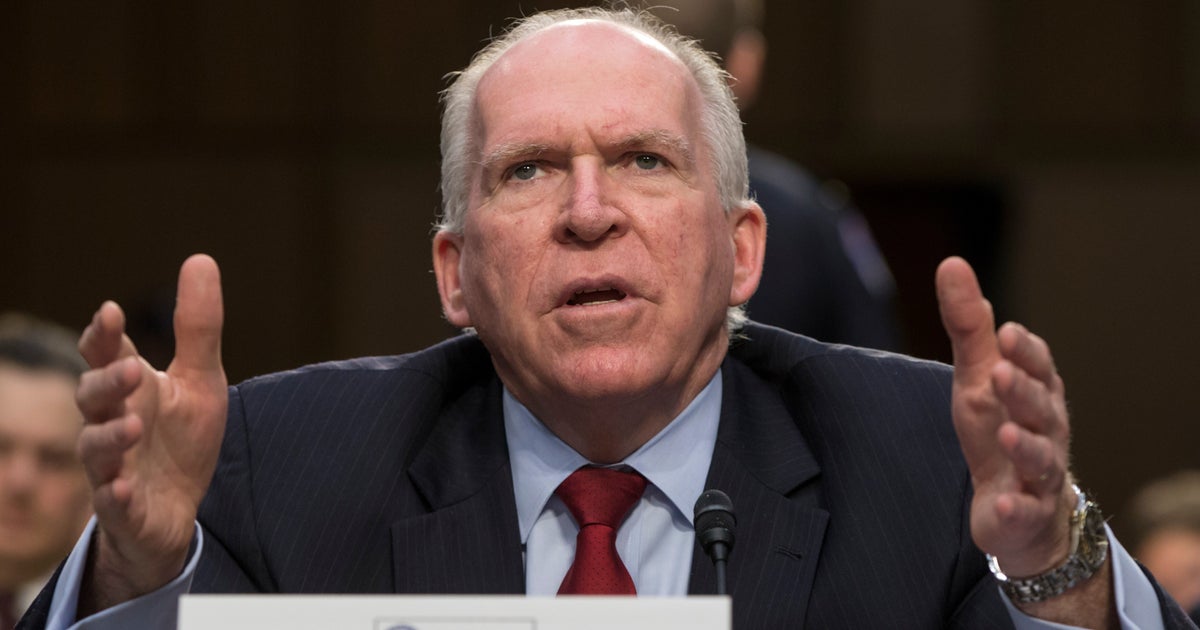
A federal judge on Thursday, October 15, 2026, dismissed a lawsuit filed by former CIA Director John Brennan that sought to compel the Justice Department to preserve investigative records. Brennan had requested the court order to secure evidence he believes would be necessary to challenge any potential future criminal charges as a selective and malicious prosecution.
The lawsuit was filed in July 2026 after months of investigations by the Justice Department into Brennan’s conduct. Brennan served as CIA director during the Obama administration and was a central figure in the intelligence community's assessment that Russia interfered in the 2016 election to assist Donald Trump’s campaign. Brennan has since become a target in two separate inquiries: one concerning whether he made false statements to the House Judiciary Committee in 2023, and a Florida-based probe into an alleged conspiracy by former officials to prevent Trump from holding power.
U.S. District Judge Jia Cobb ruled that Brennan lacked legal standing to bring the suit, describing his arguments as too speculative. Cobb noted that Brennan had not proven the Justice Department was currently failing to preserve records relevant to his defense. While Cobb wrote that Brennan’s allegations of being targeted for his political opposition were "deeply concerning," the judge concluded that the alleged injury was too distant from the requested court order to justify legal standing at this stage.
The scale of the impact involves the potential prosecution of a former cabinet-level official and the internal records of federal investigations spanning several years. For Brennan, the lack of a court-mandated preservation order means he must rely on standard government record-keeping protocols unless charges are filed. If an indictment occurs, his defense team would then gain the legal right to scrutinize the government’s conduct and motivations through the discovery process. Brennan has denied all allegations of wrongdoing, calling the conspiracy theories "fiction."
The decision sets a precedent that individuals under investigation cannot generally use civil lawsuits to preemptively secure internal government documents based on claims of future vindictive prosecution. A person in a similar position would notice no immediate change to their daily life or legal status, but they would lack the additional court oversight Brennan sought to ensure the preservation of specific evidence. The Justice Department has not offered formal assurances regarding these specific records. What happens next depends on whether the Justice Department decides to bring charges; Brennan’s grand jury appearance has been postponed to an unspecified date.