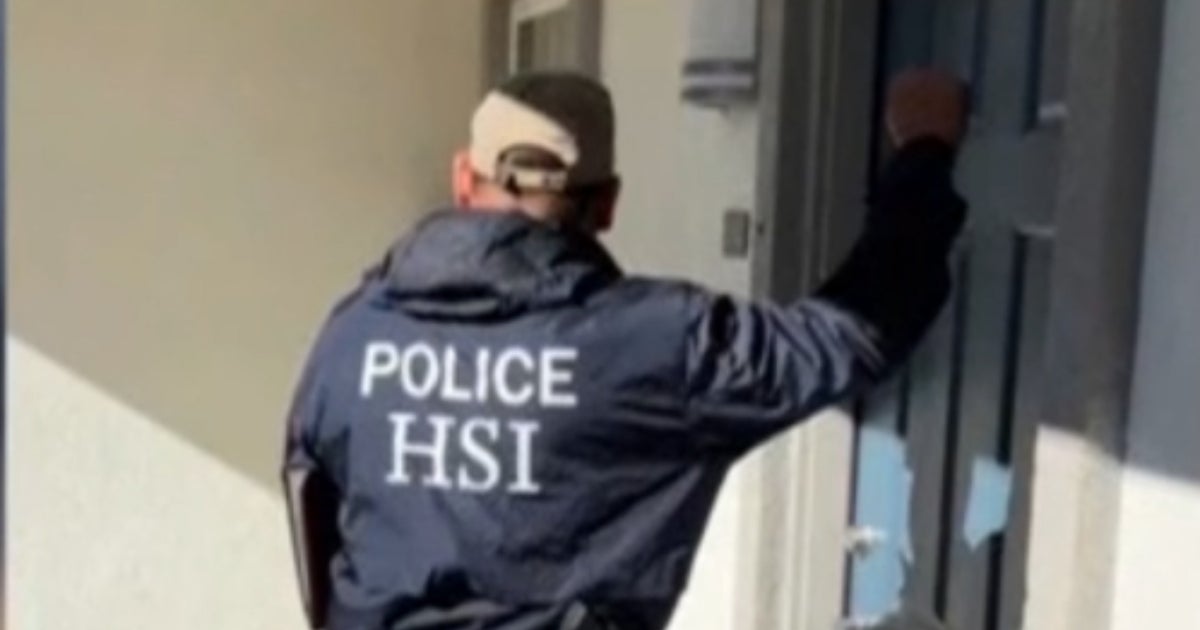
A federal judge in Oakland, California, ruled on Wednesday, October 21, 2026, that the U.S. Department of Homeland Security (DHS) must temporarily halt specific door-knocking operations intended to identify noncitizens who may be registered to vote. U.S. District Judge Araceli Martinez-Olguín issued a preliminary injunction after finding that the agency’s "Unlawful Voter Initiative" likely violates the Voting Rights Act by intimidating legal voters and mobilization groups.
The ruling follows a lawsuit filed last month by the California Nurses Association (CNA), National Nurses United (NNU), Voto Latino Foundation, and local governments in Santa Clara County and San Francisco. The plaintiffs argued that the deployment of armed federal agents to homes and polling locations ahead of the 2026 midterm elections created a "credible fear" among citizens. The Trump administration has defended the program as a necessary measure to combat voter fraud, although DOJ figures show only 156 people have been charged with voting-fraud-related offenses since the start of the administration.
The injunction prohibits federal agents from conducting elections-related field operations and interviews in nine states if the targets are individuals the government knows or should suspect are U.S. citizens. Judge Martinez-Olguín cited a "high likelihood of error" in the government's data, which combined 48.2 million records of "questionable provenance" with 50.6 million records from official and commercial voter rolls. The nine states named in the order are California, Connecticut, Georgia, Missouri, Nevada, New York, Pennsylvania, Washington, and Wisconsin.
For the affected groups, the concrete day-to-day change is the suspension of home visits and field interviews by armed Homeland Security Investigations agents through the end of the 2026 midterm cycle. Before the ruling, CNA members reported withdrawing from voter engagement activities due to fear of physical or legal harm. The scale of the data involved is significant, as the DHS initiative utilized nearly 100 million records to flag potential targets. Critics of the policy argued these tactics could discourage eligible naturalized citizens from participating in the upcoming midterms, while the government maintained the actions were "lawfully investigative" and intended to protect election integrity.
The ruling sets a temporary legal precedent regarding the limits of federal agency involvement in local election oversight under the Voting Rights Act. While it does not stop the government from investigating voter fraud through other "lawful means," it restricts the use of specific databases for field operations during an active election period. The injunction is scheduled to remain in effect until polls close on Election Day, November 3, 2026. However, the judge stayed the order until 5 p.m. on Friday, October 23, 2026, to allow the Justice Department time to file an appeal. The outcome of any such appeal will determine whether agents can resume these field operations before the final weeks of the election.