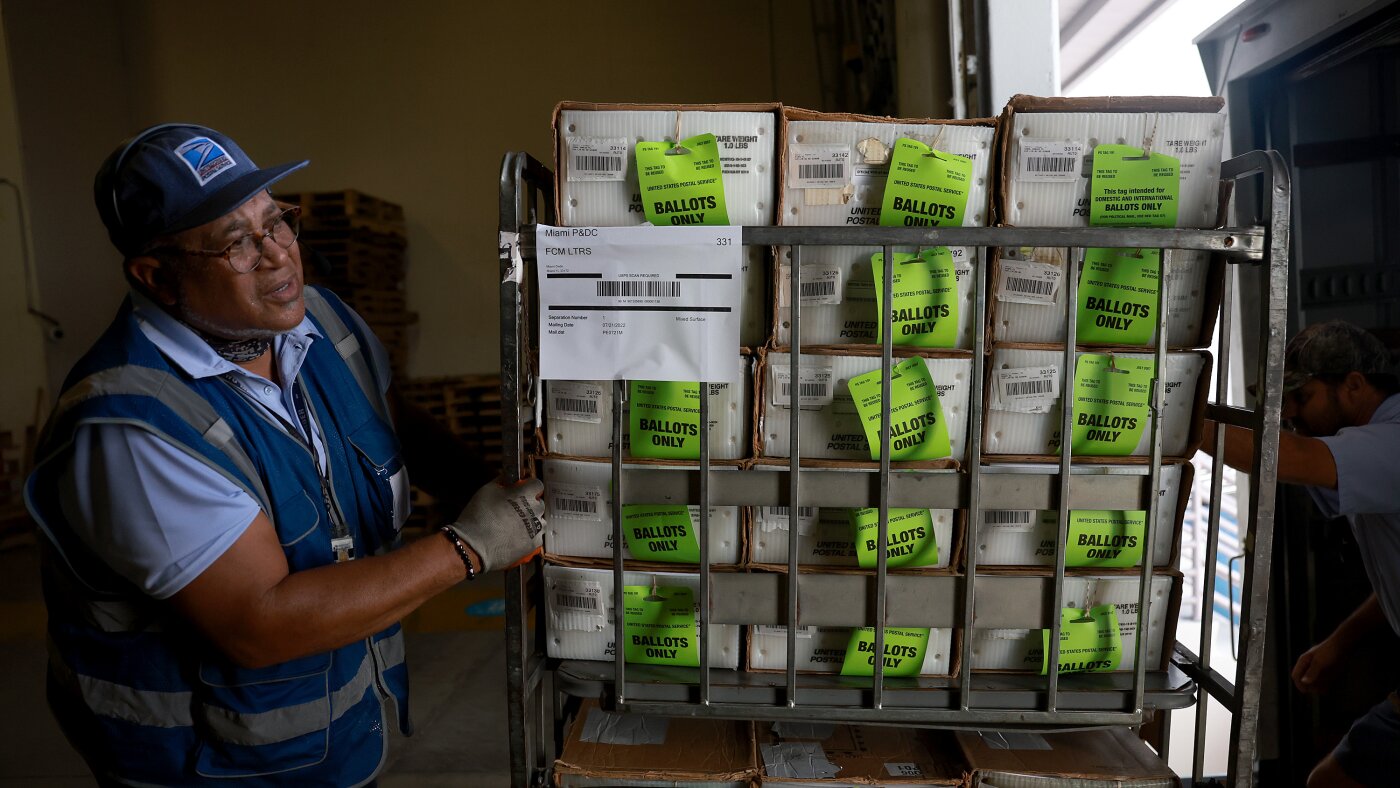
A federal judge in Boston on Wednesday canceled a nationwide ruling that had previously blocked the U.S. Postal Service from implementing an executive order by President Trump to restrict mail-in voting. U.S. District Judge Indira Talwani’s decision allows the agency to proceed with the directives for now, though the order remains subject to further legal challenges as midterms approach.
The legal dispute centers on an executive order signed by the president in March. In response to that order, the U.S. Postal Service (USPS) released a final rule for federal ballot mail that introduces new design requirements for ballot envelopes. It also establishes a process for delivering ballots only to individuals on absentee voter lists, which states would be required to provide to the agency.
The Wednesday ruling follows a procedural intervention by the Supreme Court earlier in the week. The high court halted a June ruling from Judge Talwani that had blocked the order in 23 states, primarily led by Democrats, and Washington, D.C. While the Supreme Court addressed procedural aspects of the case, it has not yet ruled on the underlying legality of the president's executive order.
For the individual voter, the concrete change involves the physical design of mail-in ballot envelopes and potential changes to how those ballots are delivered based on state-provided lists. The source indicates these changes are being addressed just weeks before mail-in voting for the midterm elections is scheduled to begin. If the requirements are fully implemented, states that do not comply with the new envelope designs or list-sharing protocols could face difficulties in the processing of their residents' ballots by the federal postal system.
The case sets a precedent for how much authority the executive branch holds over the logistics of federal elections, which are typically managed at the state level. The outcome of ongoing lawsuits from Democrats and voting rights groups will determine whether these USPS rules remain in place for the upcoming election cycle. Further legal hurdles are expected as the case proceeds through the federal court system, with a potential for the Supreme Court to eventually issue a definitive ruling on the legality of the directives.