U.S. District Judge Amit Mehta issued an emergency order Saturday authorizing federal prison officials to provide nonconsensual nutrition and medical treatment to Rahmanullah Lakanwal. Lakanwal is currently jailed while awaiting trial for the November 2025 shooting of two National Guard members near the White House. The order allows Bureau of Prisons staff to feed the defendant intravenously or through a medical tube to prevent death or life-threatening physical deterioration.
Lakanwal, a 29-year-old Afghan national who entered the U.S. in 2021, was hospitalized on an emergency basis on July 9 after he began refusing food in June. While defense attorneys noted that Lakanwal has consumed some food, such as applesauce, during his hospitalization, prosecutors stated he has also refused water at times. Court filings have not specified a reason for Lakanwal’s refusal to eat, though Justice Department attorneys argued the measures were necessary because the defendant has the medical capacity to make health decisions yet is refusing life-sustaining nutrition.
Attorneys for Lakanwal opposed the government's request, arguing in redacted filings that his condition was not so dire as to require court intervention. Defense attorney Shelli Peterson and a spokesperson for U.S. Attorney Jeanine Pirro's office both declined to comment on Monday regarding Lakanwal’s current medical status. The defendant has pleaded not guilty to first-degree murder and more than a dozen other federal and local charges related to the attack.
The ruling affects Rahmanullah Lakanwal, his legal defense team, and federal Bureau of Prisons medical staff who are now legally authorized to provide treatment against the defendant's stated will. The order sets a temporary legal framework for his care until October 28. For the defendant, this means he may experience the insertion of medical tubes or intravenous lines to deliver nutrition, a process that federal prosecutors requested to preserve his life.
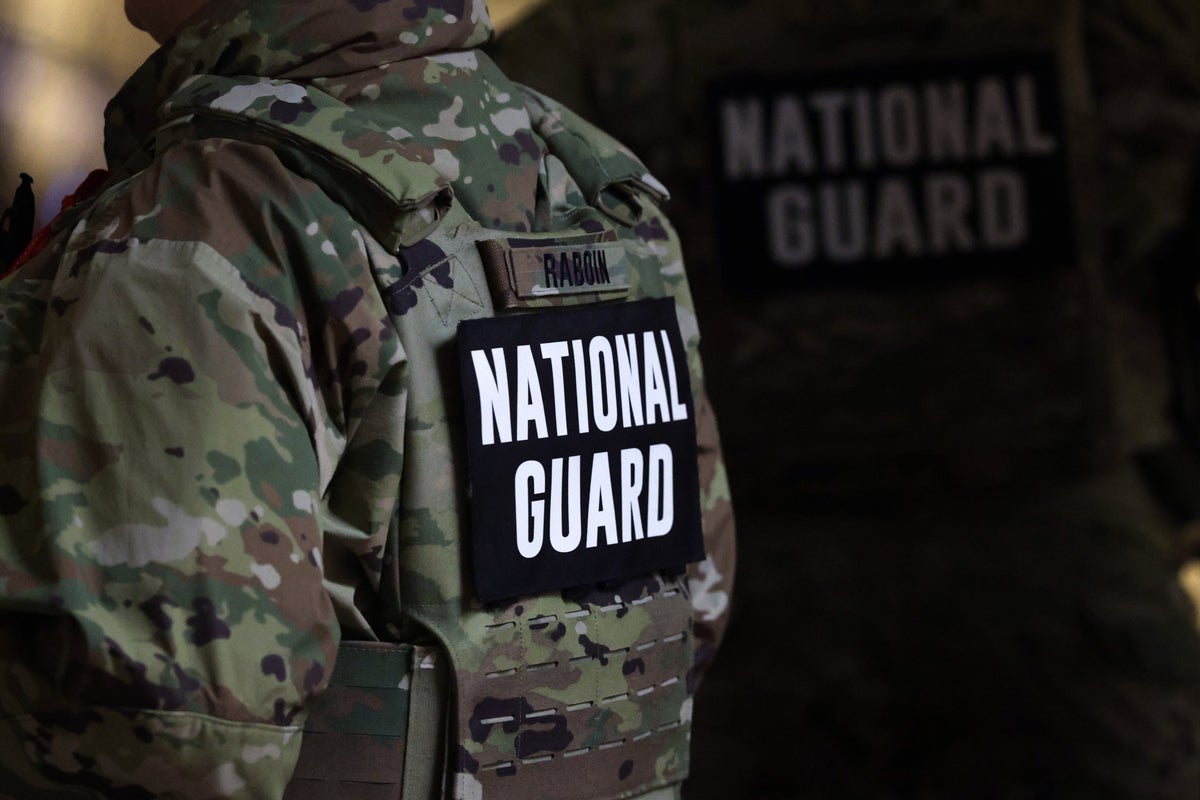
The underlying criminal case involves two shooting victims: West Virginia National Guard Spc. Sarah Beckstrom, 20, who was killed, and Staff Sgt. Andrew Wolfe, 24, who was critically wounded. Lakanwal faces death penalty-eligible charges, including the murder of a person assisting a U.S. officer and discharging a firearm during a violent crime. U.S. Attorney Jeanine Pirro previously described the decision of whether to seek the death penalty as "weighty." The case also involves two additional service members Lakanwal is accused of attempting to kill during the confrontation.
The ruling cites legal precedents that allow prison officials to involuntarily feed hunger-striking prisoners to maintain their health during legal proceedings. This decision follows the prosecution of a defendant who entered the country under humanitarian parole. The current emergency order for medical intervention is scheduled to expire on October 28, but Judge Mehta noted it can be renewed if Lakanwal continues to refuse adequate oral intake. The Justice Department has not yet announced whether it will seek the death penalty.