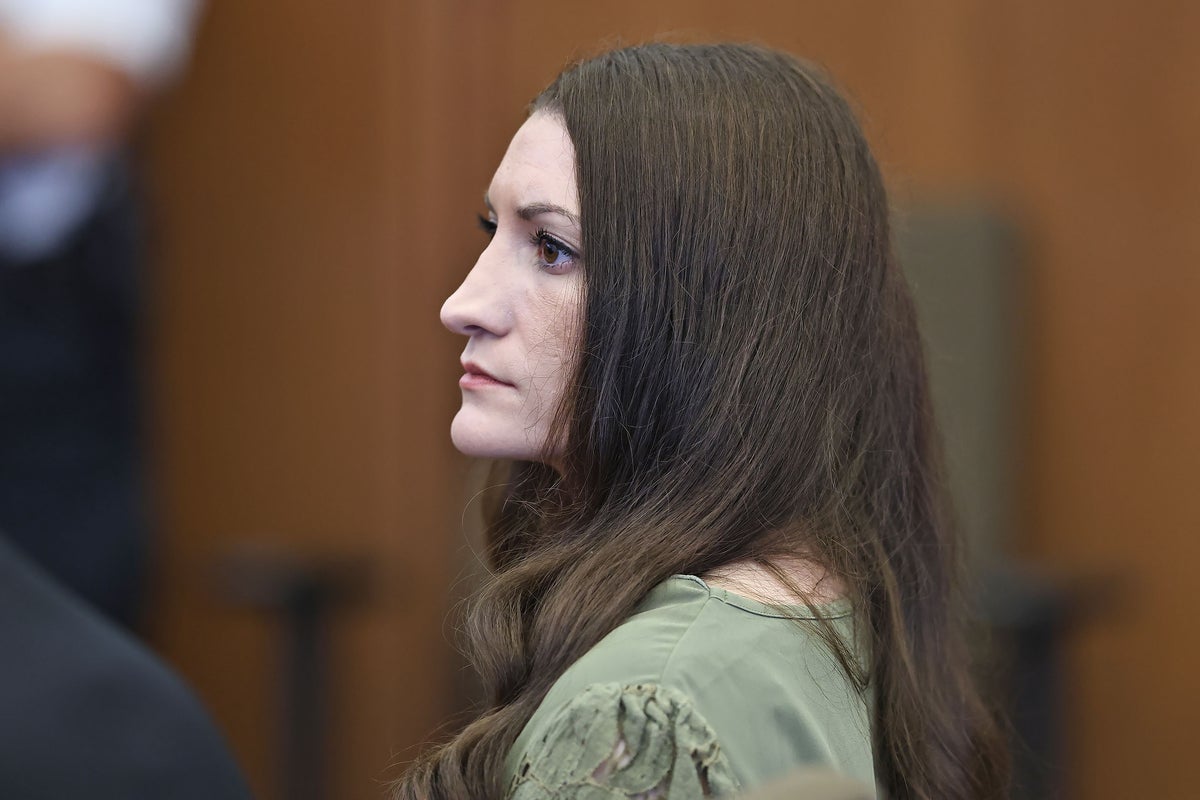
Plymouth Superior Court Judge William Sullivan placed a mistrial declaration on hold Friday morning in the murder trial of Lindsay Clancy. The judge initially stated he saw no choice but to declare a mistrial after the jury reported it was deadlocked. Sullivan granted defense attorney Kevin Reddington one hour to seek an emergency stay from the Massachusetts Supreme Judicial Court before finalizing the decision.
The trial, which lasted five weeks, centers on the January 24, 2023, deaths of Clancy’s three children: five-year-old Cora, three-year-old Dawson, and eight-month-old Callan. Both the prosecution and defense agree that Clancy strangled the children at their Duxbury home. The jury was tasked with determining if Clancy, a 36-year-old former labor and delivery nurse, is criminally responsible or if she was suffering from postpartum psychosis, as argued by her legal team.
Deliberations have spanned seven days. The jury foreperson sent a note indicating the group was split 11-to-1. Reddington requested that the judge dismiss the single holdout juror, alleging the individual was not following instructions regarding "reasonable doubt" and had taken an "intractable" position. Judge Sullivan denied that request, as well as a request to survey the jury on lesser charges like second-degree murder or manslaughter, instead choosing to re-instruct the jury on the definition of reasonable doubt.
This case affects the legal standing of Lindsay Clancy, who faces life in prison if convicted of first-degree murder. The jury's decision involves five specific options: not guilty, not guilty by reason of insanity, first-degree murder, second-degree murder, or manslaughter. If a mistrial is finalized, the state must decide whether to seek a new trial, a process that would require selecting a new jury and repeating the five-week testimony of doctors, first responders, and family members.
For Clancy, the outcome dictates her day-to-day confinement. A conviction would result in a prison sentence, while a finding of not guilty by reason of insanity would lead to continued commitment at Tewksbury State Hospital, where her case would undergo periodic reviews. The 12-person jury heard testimony regarding her mental health history, including reports of insomnia, paranoia, and auditory hallucinations, which the defense claims led to the deaths. Prosecutors countered this by arguing Clancy intentionally timed the acts for when her husband, Patrick Clancy, was out of the house.
Legal analysts noted that the jury’s reported internal conflict highlights the complexity of the insanity defense. As of Friday afternoon, the proceedings remain paused while the state's highest court reviews the defense's request for a stay. If the Supreme Judicial Court does not intervene, Judge Sullivan is expected to proceed with declaring a mistrial.