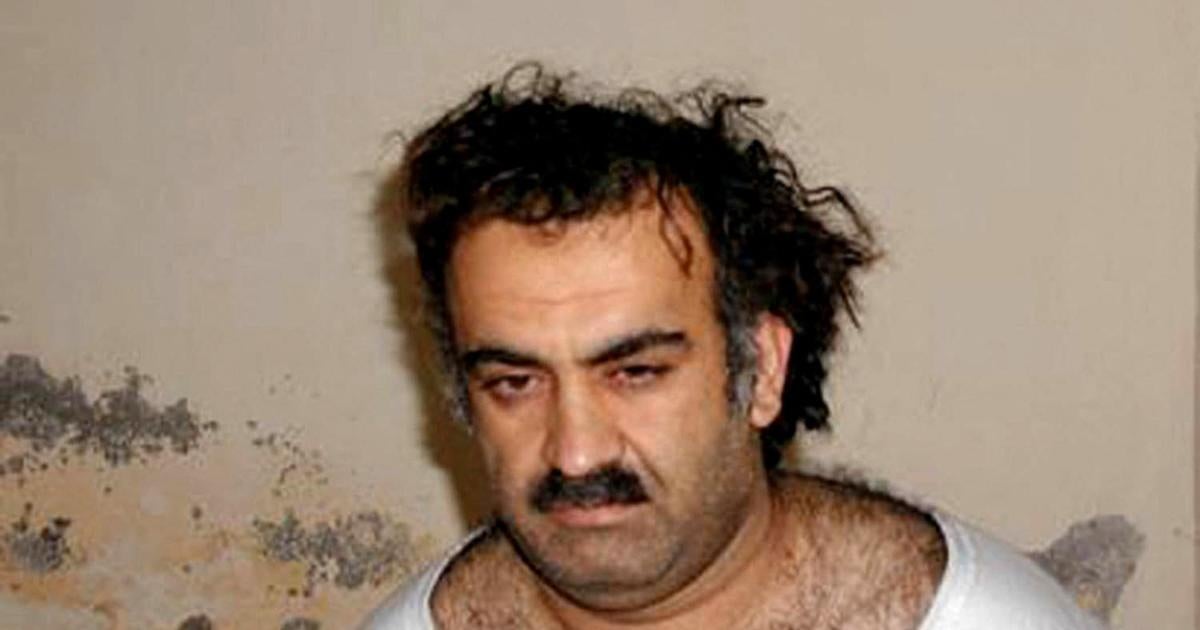
A military judge on Friday suppressed a confession provided by Khalid Sheikh Mohammed, the alleged mastermind of the September 11 attacks, ruling that the statements were not given voluntarily. The decision by Lt. Col. Michael Schrama prevents the government from using statements Mohammed made to FBI agents at Guantanamo Bay, Cuba, in January 2007.
The ruling follows years of legal challenges regarding the conditions of Mohammed’s detention and interrogation. Before the 2007 sessions, Mohammed was held by the CIA and subjected to waterboarding and other interrogation tactics that are widely viewed as torture. Defense attorneys challenged his later statements to a separate FBI team based on these prior experiences.
In his order, Schrama found that the CIA's treatment of Mohammed created a fear that he would be severely mistreated if he did not comply with interrogators. The judge also determined that Mohammed was not provided a Miranda warning informing him of the right to remain silent and was told he could not speak to a lawyer. Retired FBI agent Frank Pellegrino, who interviewed Mohammed in 2007, told CBS News he believed the confession was voluntary because he explicitly told Mohammed he did not have to talk, though he acknowledged the legal requirements were for the court to decide.
This ruling affects the legal proceedings for Khalid Sheikh Mohammed and three other defendants currently held at Guantanamo Bay who are accused of plotting the 2001 attacks. For the families of the victims and the defendants, the decision introduces further complexity into a prosecution that has been delayed for more than two decades. If the ruling stands, prosecutors will be unable to use the 2007 statements in a trial where the defendants could face the death penalty.
The suppression of this evidence influences the trial for four men, including Mohammed, which was scheduled earlier this week to begin in June 2028. A conviction in this military court could result in capital punishment, though the path to a verdict remains contested following the reversal of plea deals that would have removed the death penalty as an option.
The decision addresses the admissibility of statements gathered by FBI agents after a prisoner has been subjected to harsh interrogation by other agencies. It highlights the legal requirements for voluntary testimony in military commissions, including the necessity of informing a suspect of their right to remain silent. Rear Adm. Aaron C. Rugh, the prosecutor, stated the government will decide whether to appeal the ruling in the near future. The trial remains set for June 2028.