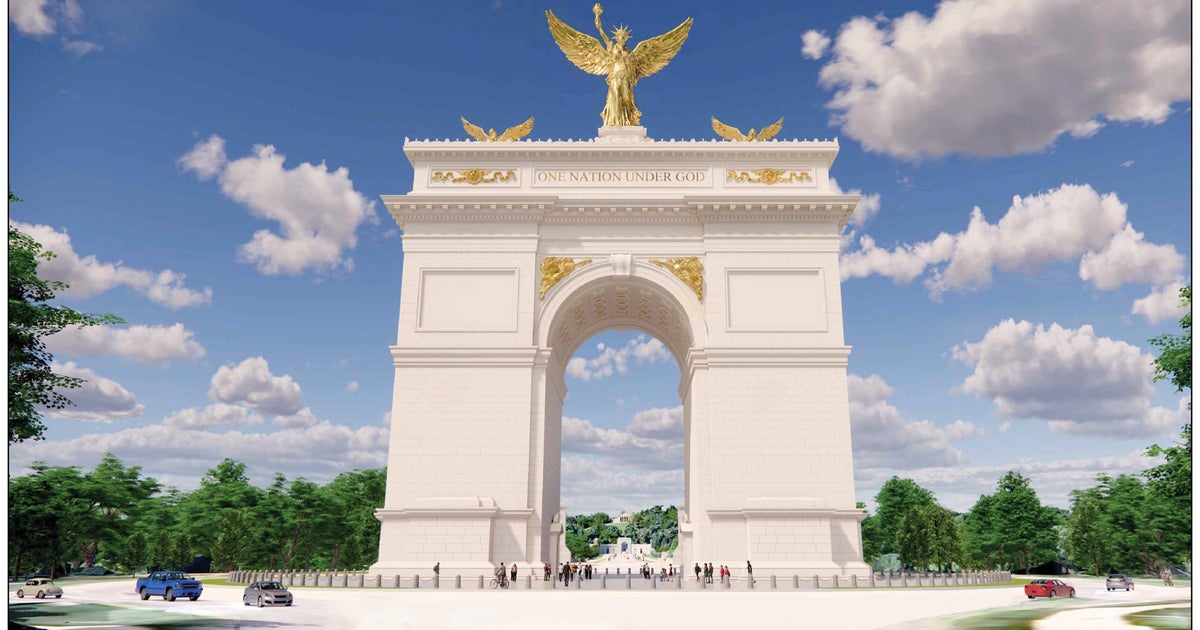
Attorneys for the Justice Department and a group of Vietnam War veterans were scheduled to appear in a Washington, D.C., federal court Friday to discuss a proposed 250-foot arch. U.S. District Judge Tanya Chutkan will hear arguments regarding a preliminary injunction intended to stop construction of the monument, which is planned for Memorial Circle between Arlington National Cemetery and the Lincoln Memorial. The plaintiffs, consisting of three veterans and a retired architectural historian, filed the request for an injunction on October 22, 2026, to prevent work from starting while their lawsuit proceeds.
The legal challenge follows a notice filed by the National Park Service (NPS) and the executive office of the president on October 21, 2026, indicating that construction could begin as early as November 5, 2026. This timeline depends on final approval from the National Capital Planning Commission, which is scheduled to meet that same day. The plaintiffs argue the project has been rushed and lacks the congressional authorization they claim is required for such a structure in the capital.
President Trump has described the arch as a potential "military complex" that could be equipped with snipers and drones for national defense. Declarations from Secretary of Defense Pete Hegseth and Secretary of Homeland Security Markwayne Mullin support the project as a way to defend against unmanned drone attacks. However, the Justice Department argued in court filings that the plaintiffs lack legal standing because their "aesthetic and emotional displeasure" does not constitute a concrete injury under Supreme Court precedent.
The scale of the project involves a 250-foot (76-meter) monument positioned at a primary entrance to the capital's most visited memorial areas. For travelers and airline passengers, critics have raised concerns the project could lead to shifts in arrival and departure routes at Ronald Reagan International Airport, though the Federal Aviation Administration previously determined the structure would not be a hazard. Taxpayers and federal agencies are also affected by the shifting scope of the project, which President Trump stated would include defensive military technology, though the Interior Department noted that its current plans only "accommodate" such features rather than including them explicitly.
The case sets a potential precedent for how quickly the executive branch can approve and begin large-scale monuments on federal land without specific congressional votes. It also tests the application of the Supreme Court's "White House ballroom" decision regarding who has the legal right to sue over aesthetic changes to public landmarks. Judge Chutkan ordered both parties to submit a briefing schedule by noon on October 23, 2026, to determine the next steps before the projected November 5 construction date.