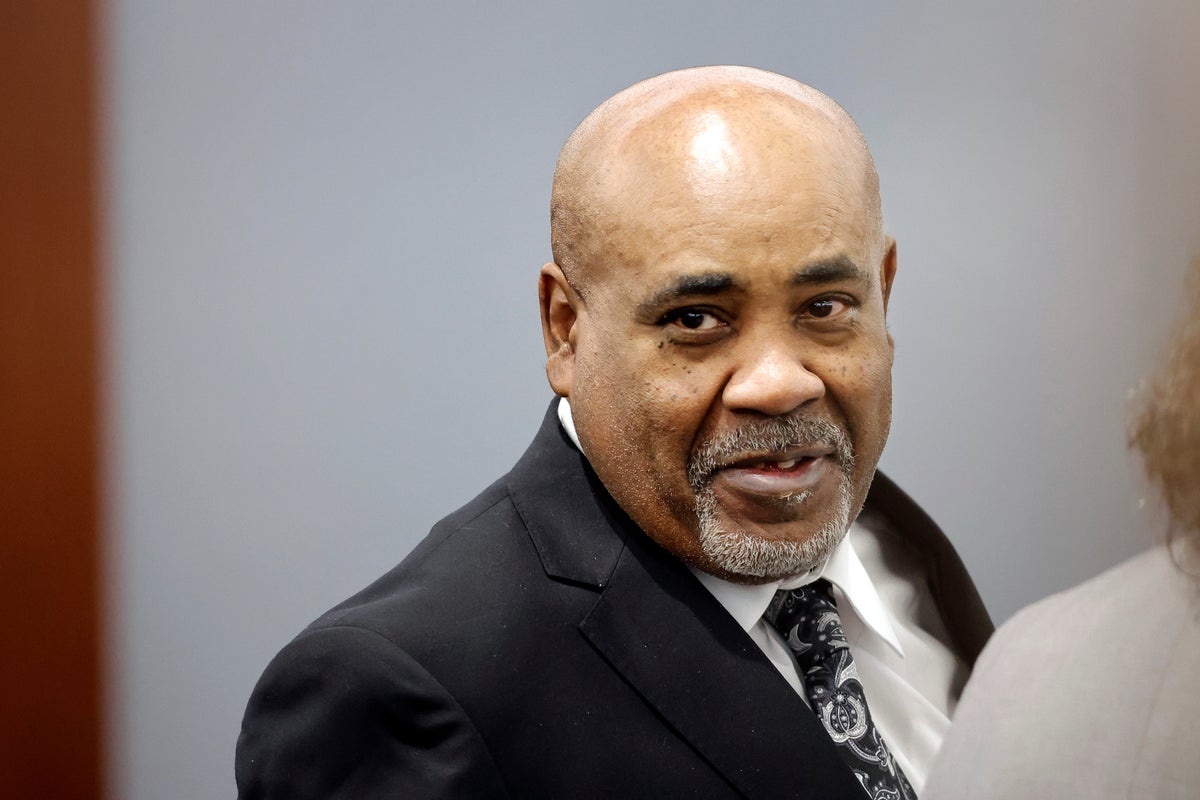
Jurors in the trial of Duane “Keffe D” Davis heard audio on Thursday of a 2008 interview in which Davis identified his nephew, Orlando “Baby Lane” Anderson, as the person who shot and killed Tupac Shakur in 1996. Davis, who has pleaded not guilty to charges of orchestrating the killing, told detectives at the time that he was present in the vehicle during the drive-by shooting in Las Vegas.
The 2008 interview originally focused on the 1997 death of another artist, the Notorious B.I.G., a case in which Davis was briefly a suspect before being cleared. During that recorded session, Los Angeles police detectives told Davis the conversation was confidential and that his statements could not be used against him. However, prosecutors now argue that Davis nullified that agreement by later detailing his involvement in various public interviews and a 2019 memoir.
In the recording played for the court, Davis described a white Cadillac pulling alongside a car containing Shakur and Death Row Records head Marion “Suge” Knight. Davis stated that because the target was on the opposite side of the car from his seat, he passed a weapon to the back seat. According to Davis's 2008 statement, Anderson took the gun and fired the fatal shots after another passenger declined to use it.
For the defendant, the 63-year-old Davis, the trial carries the potential for a significant prison sentence if convicted of orchestrating the attack. The scale of the evidence includes over a decade of recorded statements, a co-written book, and various media appearances. Legal experts and future defendants will notice how the court handles the 2008 recording, specifically whether the detectives' verbal promises of confidentiality are outweighed by Davis’s subsequent decision to commercialize his account of the events.
The proceedings will also impact the historical record of a conflict between hip-hop factions that resulted in two high-profile deaths in the mid-1990s. The defense maintains that Davis’s stories were fabrications intended for entertainment or financial gain rather than factual admissions. A verdict will determine if the state has met the burden of proof using these admissions as primary evidence. The trial is ongoing in Las Vegas, though a final date for a verdict or sentencing has not yet been established.