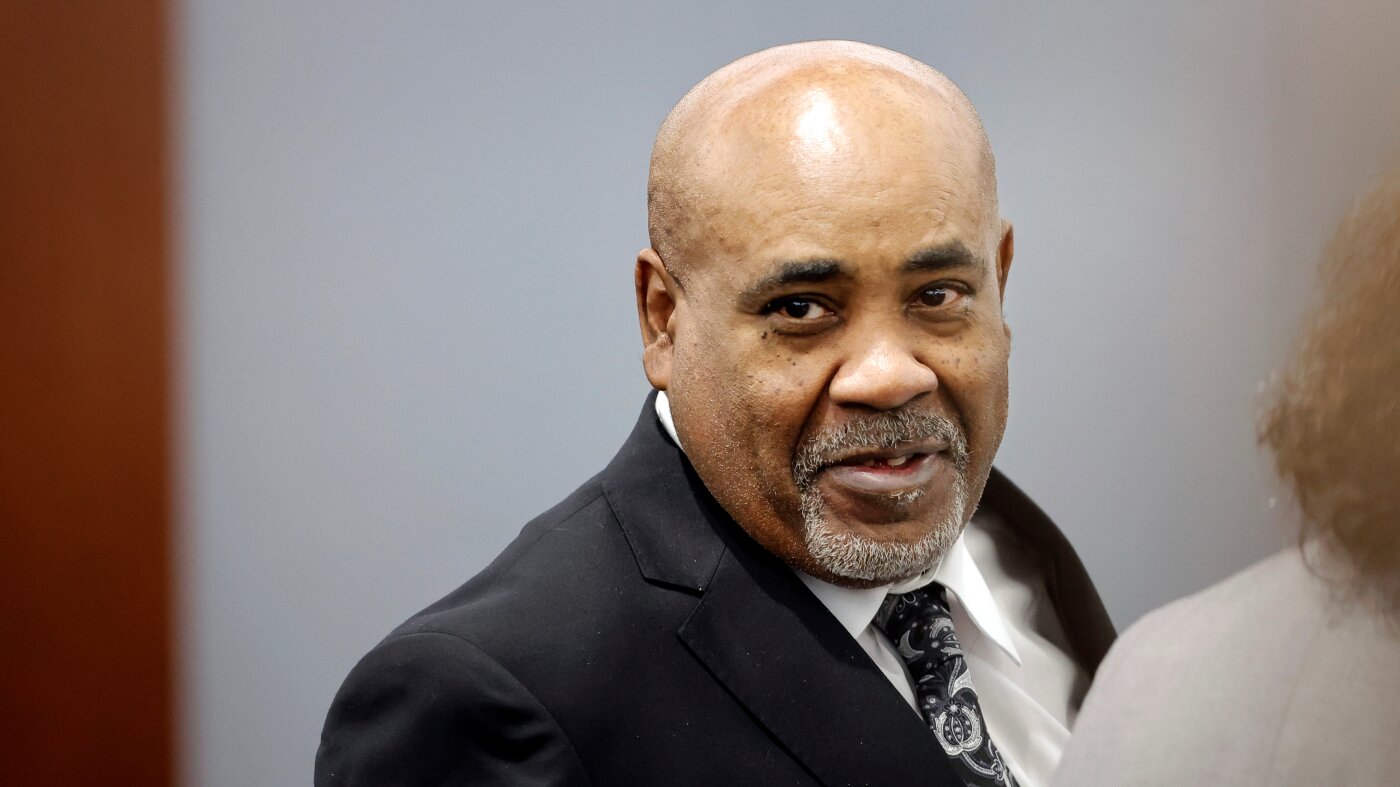
Jurors in the murder trial of Duane "Keffe D" Davis heard a 2008 recorded interview on Thursday in which Davis identified his nephew, Orlando "Baby Lane" Anderson, as the person who shot hip-hop artist Tupac Shakur. Davis, 63, is charged with orchestrating the 1996 drive-by shooting in Las Vegas that killed the 25-year-old rapper. During the recorded interview, Davis stated he was in the car with Anderson and two other men when the shooting occurred.
The 2008 interview originally focused on the 1997 death of the Notorious B.I.G., a case in which Davis was briefly a suspect before being cleared. Detectives told Davis during that meeting that his statements were confidential and could not be used against him. However, prosecutors argue that this agreement was nullified because Davis later spoke publicly about the event in media interviews and a 2019 memoir titled "Compton Street Legend."
In the recording, Davis described how a white Cadillac pulled alongside a black BMW carrying Shakur and Death Row Records head Marion "Suge" Knight. Davis said that he passed a gun to the back seat, where Anderson eventually took the weapon and fired. Davis has pleaded not guilty to the murder charge, and his defense attorney argued in court that Davis's past statements were exaggerated stories that lack supporting physical evidence.
The scale of the evidence involves decades of investigation across multiple jurisdictions, including the Los Angeles Police Department and Las Vegas authorities. The case relies heavily on Davis’s own words across various platforms over 18 years, including a 2008 police interview, a 2019 book, and various podcasts. The legal dispute centers on whether these admissions, some originally given under a promise of confidentiality, are sufficient to prove his role in the killing without new forensic evidence from the 1996 crime scene.
The trial's progression will clarify how courts handle historical admissions made during "proffer" agreements—statements given to police during investigations—when a suspect later repeats those claims in the public domain. A conviction would establish that a passenger who did not fire the weapon can be held legally responsible for murder as an orchestrator under Nevada law. The trial continued on Thursday at the Regional Justice Center in Las Vegas, with further testimony from investigators and the presentation of Davis's public interviews expected in the coming days.