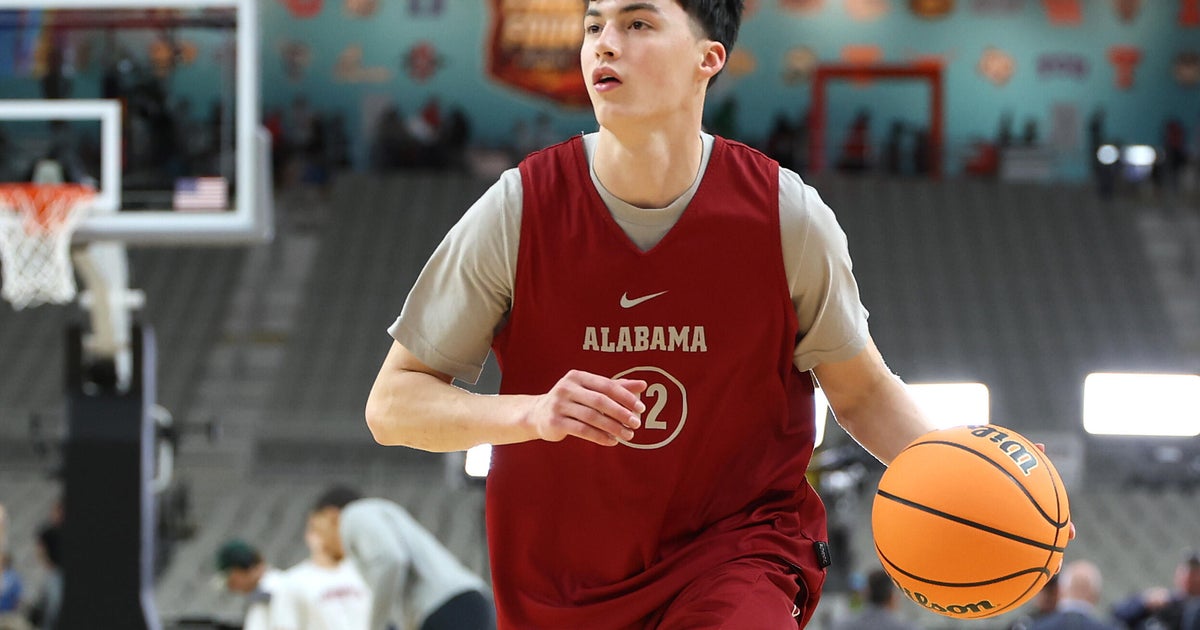
An Alabama jury on Thursday ordered The New York Times to pay $9.25 million in damages for defaming Kai Spears, a former University of Alabama basketball player. The jury in the U.S. District Court for the Northern District of Alabama found the newspaper liable for incorrectly reporting that Spears was present at the scene of a fatal shooting in January 2023.
The legal dispute began after the Times published an article in 2023 citing an anonymous source who claimed Spears was a passenger in a car involved in the shooting. Three other Alabama basketball players were present at the event, which resulted in the death of a 23-year-old woman. Spears denied the report on social media, calling it "100% inaccurate," and the newspaper later issued an editor's note acknowledging the error and correcting the story.
During the nine-day trial, Spears testified that the inaccurate report caused him emotional distress and permanently linked his name to a murder investigation. His attorney, Matt Glover, stated he was pleased with the verdict and suggested it would improve national journalism standards. The Times reported that it had not lost a defamation lawsuit in the United States in over 50 years prior to this decision.
Times spokesperson Charlie Stadtlander described the report as an "honest mistake" and stated the company is reviewing its legal options. Stadtlander said the newspaper believes the verdict and the $9.25 million award are "contrary to law and not supported by the evidence." The Times also noted that Alabama law includes caps on certain jury awards, which the newspaper reports will result in the damages being adjusted downward by more than $2 million.
For the New York Times and the broader media industry, the scale of the $9.25 million award represents a significant financial penalty for a single reporting error. The verdict breaks a 50-year streak of the Times successfully defending against defamation suits in U.S. courts. This outcome may influence how newsrooms verify information from confidential sources and how quickly they must act to correct errors to mitigate legal liability. The specific reduction of more than $2 million in damages highlights the role of Alabama’s state-level statutory caps in limiting federal jury awards.
The concrete impact for Spears involves both the financial compensation and a public legal exoneration regarding his presence at the 2023 shooting. The case sets a precedent regarding the "complete disregard for the truth" standard cited by the plaintiff. What happens next depends on the New York Times' decision to appeal the verdict or the specific amount of the award. While the jury has delivered its finding, the final payment amount will be determined during the adjustment phase mandated by Alabama law.