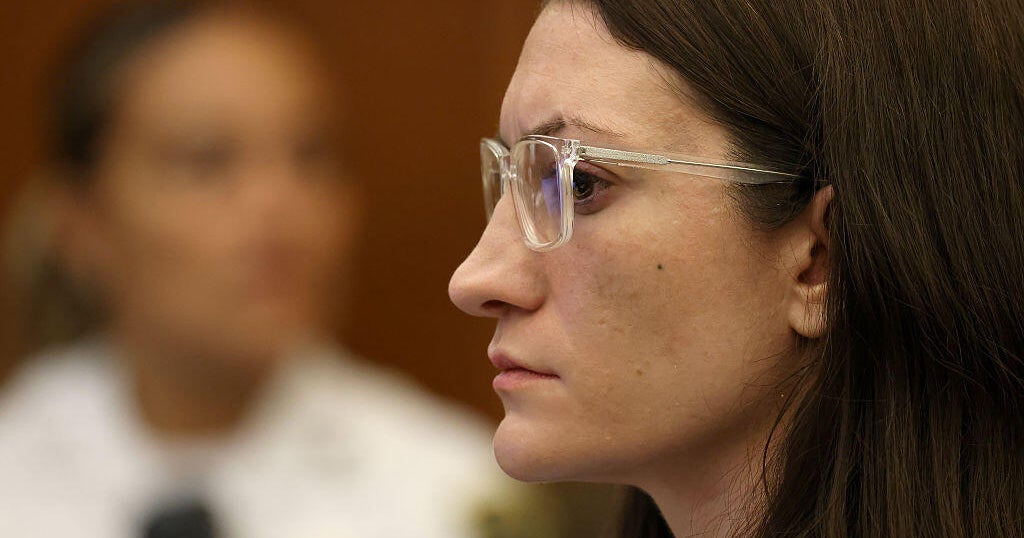
A Massachusetts jury will soon decide whether Lindsay Clancy is criminally responsible for the 2023 deaths of her three children. Clancy, 36, has pleaded not guilty to three counts of first-degree murder involving the strangulation deaths of her daughter Cora, 5, and her sons Dawson, 3, and Callan, 8 months. The defense argues that Clancy was suffering from postpartum psychosis and is not legally liable due to insanity, while the prosecution contends that she planned the killings and was not in a psychotic state.
The trial follows an event in January 2023 at the family's home. Following the deaths of the children, Clancy reportedly attempted suicide, an act that left her paralyzed from the waist down. The legal proceedings have centered on the specific mental state of the defendant at the time of the acts, specifically whether she understood the difference between right and wrong or had the capacity to follow the law.
Legal analysts indicate that the verdict will determine whether Clancy spends the remainder of her life in a correctional facility or a mental health hospital. If convicted of first-degree murder, Massachusetts law requires a mandatory sentence of life in prison without the possibility of parole. A conviction on a lesser murder charge would also result in significant prison time, though it might include the possibility of parole. Due to her paralysis and current 24-hour suicide watch, her physical management within the prison system would be adapted to her medical needs.
Under Massachusetts law, there is no time limit for such a commitment, which legal experts note can function as a life sentence if medical staff determine a person is not safe to return to the community. For the public and the legal system, the case involves the application of the insanity defense in cases involving postpartum mental health. The scale of the legal impact is absolute for the individual involved, as the decision dictates whether her remaining years are spent under the jurisdiction of the Department of Correction or the Department of Mental Health.
The verdict will also set a precedent for how the state handles defendants with severe physical disabilities and high-risk mental health needs. If committed to a hospital, Clancy would undergo periodic evaluations. Any potential release would require both a medical determination of fitness and a judicial ruling that she no longer poses a danger to herself or others. Closing arguments in the trial are expected this week, after which the jury will begin deliberations to reach a verdict based on the testimony of competing forensic psychiatrists.