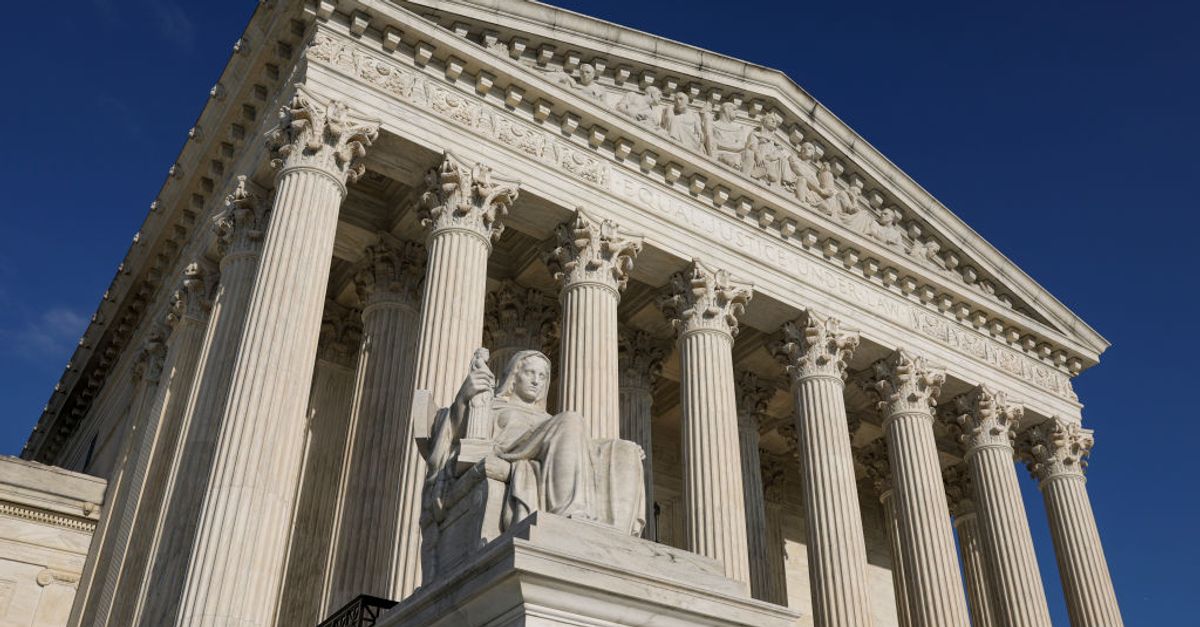
Supreme Court Justice Samuel Alito argued against what he terms judicial "insecurity" in a new book and a related op-ed published in The Wall Street Journal on Wednesday, October 28, 2026. Alito defined this insecurity as a judge’s worry that they may be subconsciously using their own policy preferences rather than impartial legal analysis to reach decisions. He urged originalists—judges who interpret the Constitution based on its original public meaning—to move past this mindset and avoid setting higher bars for legal arguments that lead to outcomes they personally favor.
This perspective departs from a long-standing view in conservative legal thought popularized by the late Justice Antonin Scalia. Scalia frequently stated that a judge who always likes the results they reach is a "bad judge," arguing that principled interpretation should sometimes lead to personal disappointment. Other members of the current court, including Justices Neil Gorsuch, Amy Coney Barrett, and Brett Kavanaugh, have previously cited or echoed Scalia's view that impartiality is demonstrated when a judge reaches results they personally dislike.
Alito noted that "insecure originalists" may feel a sense of relief or catharsis when their analysis leads to a result they find undesirable, as it serves as proof that they have not succumbed to "results-oriented" decision-making. However, he cautioned that originalist judges should not "cavalierly or happily embrace results that defy common sense." He suggested that judges should instead be on guard against letting their awareness of potential bias distort their legal reasoning.
A person involved in a high-profile legal dispute would notice the impact of these competing philosophies in the scope and tone of judicial rulings. Under an "anti-partisanship" model, a judge might choose narrower rulings or delay deciding major issues to avoid the appearance of political bias. Conversely, under Alito's proposed framework, a judge might feel more confident in issuing broad rulings that align with their legal theory, even if the outcome matches their personal policy preferences. These differences could influence the speed of legal changes regarding healthcare, environmental rules, or election laws.
The outcome of this intellectual shift could set a precedent for how the judiciary maintains public legitimacy in a polarized environment. If the "bad judge" maxim is abandoned, it may change how justices interact with the public, such as in memoirs or book tours like those recently conducted by Justice Barrett. The immediate next steps involve the continued release and discussion of Alito's book throughout late 2026, though specific dates for further promotional events or related court orders were not reported.