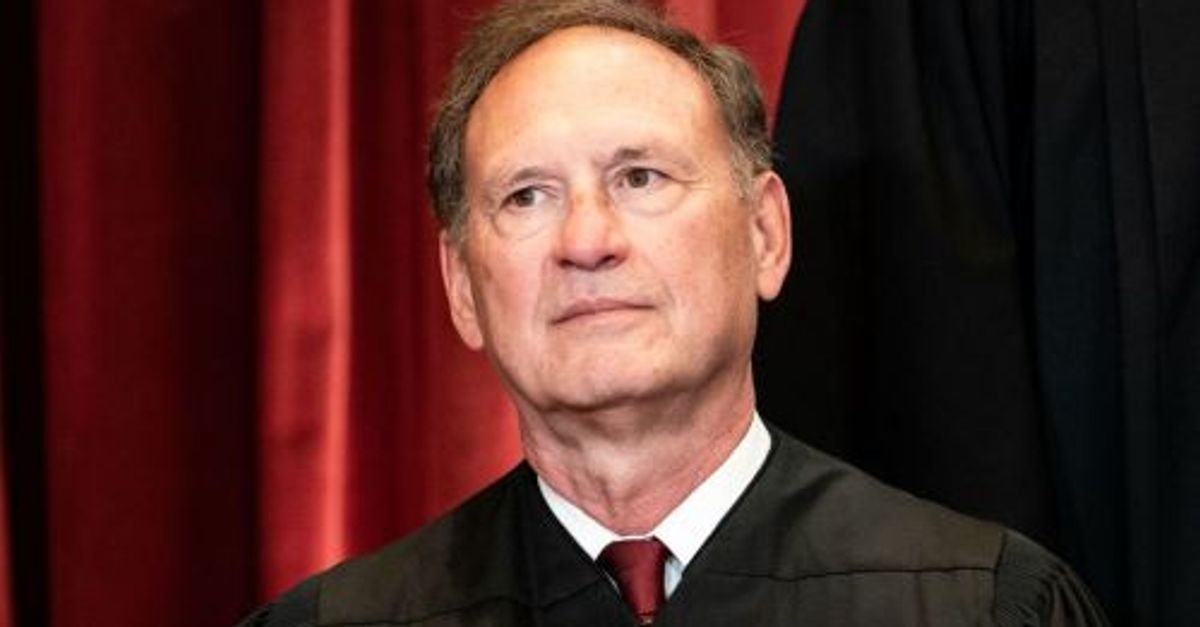
The Supreme Court announced on Monday, September 28, 2026, that Justice Samuel Alito will recuse himself from an upcoming climate change case involving Suncor Energy and ExxonMobil. Scott Harris, the clerk of the Supreme Court, notified counsel by letter that Alito "determined that he will not continue to participate" in the matter. The letter did not provide a specific reason for the decision, which comes just one week before oral arguments are scheduled for October 5, 2026.
The case, Suncor Energy Inc. v. County Commissioners of Boulder County, centers on whether state-level tort claims can be used to hold oil and gas companies financially liable for their alleged roles in climate change. Boulder-area officials filed the lawsuit in 2018, while the companies, supported by the administration of President Donald Trump, argue that federal law precludes such state-level claims. The court will also address whether it has jurisdiction to decide the case at its current stage.
The recusal follows requests from watchdog and environmental groups who pointed to Alito’s financial holdings in the energy sector. According to his most recent financial disclosure report, Alito holds stock in ConocoPhillips, Phillips 66, and five other energy firms. While he does not own shares in Suncor or ExxonMobil directly, the groups argued his impartiality could be questioned because ConocoPhillips and Phillips 66 are defendants in similar climate-related lawsuits across the country.
In May 2026, a Supreme Court spokeswoman stated that Alito did not have a financial interest in any party and had been advised by legal counsel that recusal was not required. Alito previously recused himself from this same litigation in 2023 when the court declined to hear an earlier appeal. The Supreme Court’s 2023 code of conduct requires justices to step aside if their "impartiality might reasonably be questioned," including instances where they have a "financial interest in the subject matter in controversy."
The outcome of this case involves the potential for billions of dollars in damages. If the oil and gas industry prevails, it could secure a broad ruling that prevents local governments from pursuing damages in state courts for the effects of greenhouse gas emissions. Conversely, if the court allows the Colorado case to proceed, it could clear the way for similar litigation in multiple states where energy companies face claims related to climate change impacts.
For ordinary citizens, the ruling may eventually influence the financial resources available to local governments for climate mitigation, which could impact local taxes or infrastructure projects. The case also tests the limits of state law versus federal authority in environmental regulation. A final decision is expected after oral arguments conclude; however, if the court remains evenly divided, the specific legal issues regarding federal preemption of state tort claims may remain unsettled for the foreseeable future. The next step in the proceedings is the scheduled oral argument on October 5, 2026.