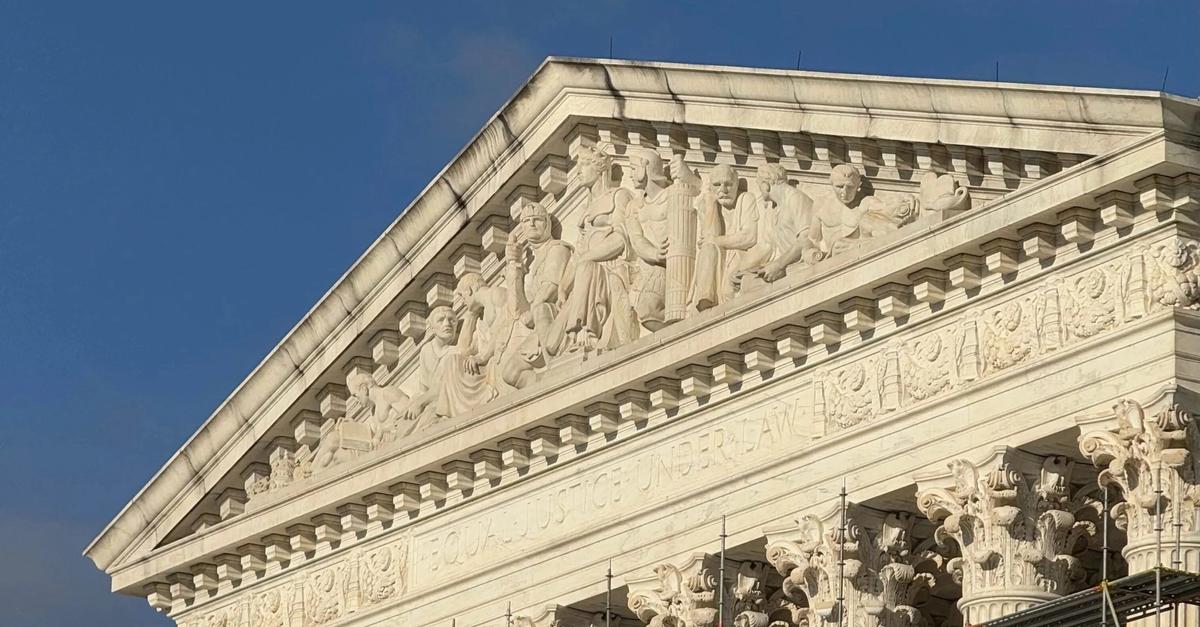
Supreme Court Justice Samuel Alito released his first book on Tuesday, Oct. 6, 2026, titled "So Ordered: An Originalist’s View of the Constitution, the Court, and Our Country." The publication, which draws on the justice's past speeches to detail his judicial philosophy, was accompanied by rare media interviews.
The book launch coincided with a week of oral arguments at the Supreme Court. On Tuesday, the court heard Anderson v. Intel Corporation Investment Policy Committee, a dispute under the Employee Retirement Income Security Act (ERISA) concerning claims that employers imprudently invested retirement funds. On Wednesday, Oct. 7, the justices heard Department of the Air Force v. Prutehi Guåhan, which involves the interaction between two federal environmental laws and a permit for the U.S. Air Force to dispose of munitions on a beach in northern Guam.
In an interview with CBS News recorded ahead of the book's release, Justice Alito addressed the future of the court and changes in rhetoric from political leaders. Separately, the Trump administration on Sept. 28 brought a dispute to the court's interim docket regarding Federal Bureau of Prisons policies for healthcare and accommodations for transgender inmates; the court has requested a response from challengers by Thursday afternoon.
The legal interpretations detailed in Justice Alito’s book and the cases currently before the court affect various groups, including private-sector employees with retirement accounts, residents of U.S. territories, and federal inmates. The ERISA case involves claims regarding the management of retirement funds. For Guam, the Prutehi Guåhan ruling will determine permit procedures for munitions disposal.
The court has set a deadline of 4:00 p.m. EDT on Thursday, Oct. 8, 2026, for challengers to respond to the administration’s request regarding prison policies. Following the conclusion of oral arguments this week, the justices will deliberate on the Guam environmental case and the Intel retirement fund dispute. Rulings for these cases are typically expected by the end of the court's term.