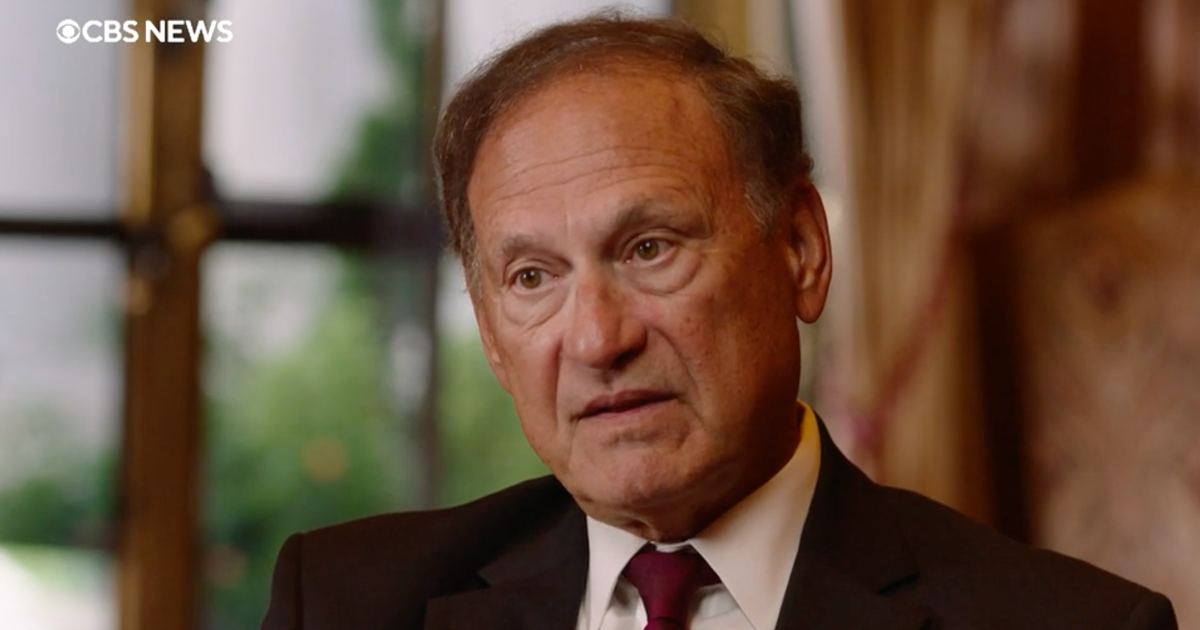
U.S. Supreme Court Justice Samuel Alito stated in interviews broadcast on Sunday, October 4, 2026, that he plans to evaluate his potential retirement on an annual basis. Alito, 76, confirmed he considered stepping down at the end of the term in June 2026 but decided to remain because he believed he could still contribute to the court’s work. He noted that it is difficult to predict the future political situation or how a president might handle a replacement, stating he was not moved by external calculations regarding which party controls the Senate.
The remarks follow a period of speculation regarding Alito\'s health and tenure. In March 2026, Alito was hospitalized for dehydration after becoming ill at a Federalist Society dinner in Philadelphia. He returned to work on March 23, 2026. Alito, who was nominated by President George W. Bush in 2005 and confirmed in 2006, is the author of the 2022 decision in Dobbs v. Jackson Women’s Health Organization, which overturned the federal right to abortion. The justice recently published a book, "So Ordered: An Originalist’s View of the Constitution, the Court and Our Country," which collects his speeches and defends his legal philosophy.
In a conversation with CBS News, Alito addressed the leak of the Dobbs draft in 2022, calling it an "unprecedented breach" that "cast a pall" over the court and made justices "targets for assassination." He referred to the June 2022 arrest of a man near Justice Brett Kavanaugh’s home who was later described by prosecutors as having the goal of killing justices to alter the government. Alito rejected the idea that the Dobbs ruling would lead to the overturning of same-sex marriage rights established in Obergefell v. Hodges. He argued that unlike Roe v. Wade, Obergefell created "concrete" reliance, such as marriages and contracts, which he said makes it unlikely to be overruled.
Alito expressed concern regarding public rhetoric directed at the court, specifically mentioning criticism from President Donald Trump and Senate Minority Leader Chuck Schumer. Trump has recently criticized Alito\'s colleagues, stating in a TIME magazine interview that although he gave them "the position of a lifetime," they "voted against me often." The court has recently ruled against the Trump administration on matters involving birthright citizenship and "Liberation Day" tariffs. Alito stated that while he ignores such comments when deciding cases, he worries about a "concerted effort to intimidate the court" and the long-term impact of these attacks on the institution\'s standing.
Individual citizens and organizations would notice the impact through the court\'s rulings on specific cases, such as the recent decision in Louisiana v. Callais, which restricted the use of race in drawing legislative districts. This affects how minority candidates are elected and how voting power is distributed within a state. Furthermore, the security concerns raised by Alito and Justice Amy Coney Barrett, who testified in July 2026 about wearing a bulletproof vest due to threats, have led to increased spending on judicial security and changes in how the justices and their families conduct their daily lives.
The ongoing debate over the court\'s legitimacy and ethics—including calls from some members of Congress for term limits or expansion of the court—sets a precedent for how the judicial branch interacts with the executive and legislative branches. Critics point to travel and gifts, such as Alito’s 2008 trip to Alaska, as evidence of a need for reform, while Alito argues such allegations are part of a "drip, drip, drip" intended to undermine public trust. What happens next depends on Alito’s annual assessments; however, no formal retirement deadline exists, and the justice’s new book is scheduled for release on Tuesday, October 6, 2026.