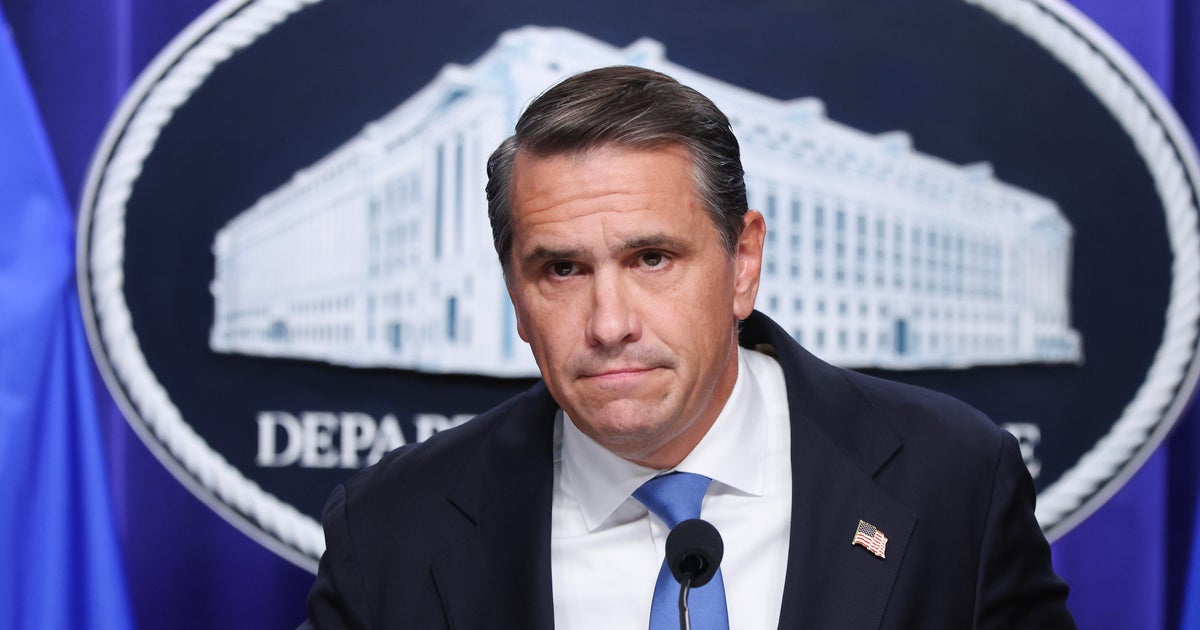
The U.S. Department of Justice (DOJ) filed a judicial misconduct complaint on Wednesday, September 30, 2026, against all but one of the active federal district judges in Minnesota. Attorney General Todd Blanche announced the filing following a New York Times article in which judges discussed the federal government's immigration enforcement tactics during a surge in the state.
The complaint centers on a September 17, 2026, article titled "Trump's Minnesota Surge Threatened Democracy, Judge Warns." The piece detailed interviews with Judge Patrick Schiltz, Judge John Tunheim, and other members of the seven-person Minnesota federal bench who held active status last winter. During these interviews, judges addressed "Operation Metro Surge," a December 2025 campaign that deployed over 3,000 immigration authorities to Minnesota, leading to arrests and two deaths during clashes with protesters.
In the complaint filed with the U.S. Court of Appeals for the 8th Circuit, the DOJ alleged that Schiltz and Tunheim "flagrantly violated the Code of Judicial Conduct" by making "improper and unethical" comments. The DOJ characterized the comments as being about pending matters, while Schiltz defended his actions in a statement, asserting that he was acting within ethical guidelines by addressing "core judicial matters" like the rule of law. A spokesperson for the federal district court in Minnesota also stated that the judges' conduct was within established ethics rules.
The scale of the underlying conflict involved approximately 3,000 federal agents deployed during the winter of 2025-2026. During this period, Judge Schiltz identified 96 court orders in 74 different cases that he said Immigration and Customs Enforcement (ICE) had violated. For individuals currently in federal custody or those filing habeas petitions—which are legal filings used to challenge unlawful detention—this dispute could change which judge hears their case and how quickly those cases are processed if a mass recusal or a misconduct investigation occurs.
The complaint sets a precedent for how the executive branch monitors the public speech of federal judges. While the Judicial Conference issued guidance in February 2026 allowing judges to advocate for the rule of law, the DOJ argues these specific interviews crossed into partisan policy advocacy. The 8th Circuit Court of Appeals must now determine if an investigation is warranted. If the court finds misconduct, it could result in private or public censures for the judges involved. The court has not yet announced a date for its initial review of the filing.