The U.S. Department of Justice is investigating whether five major television networks violated federal antitrust laws after they briefly suspended the White House press pool system. The investigation, confirmed by Department of Justice spokesperson Emily Covington on Saturday, October 10, focuses on whether the networks’ joint decision to halt coverage constitutes a "group boycott" in violation of the Sherman Act. The news organizations under review include ABC, CBS, CNN, Fox News, and NBC.
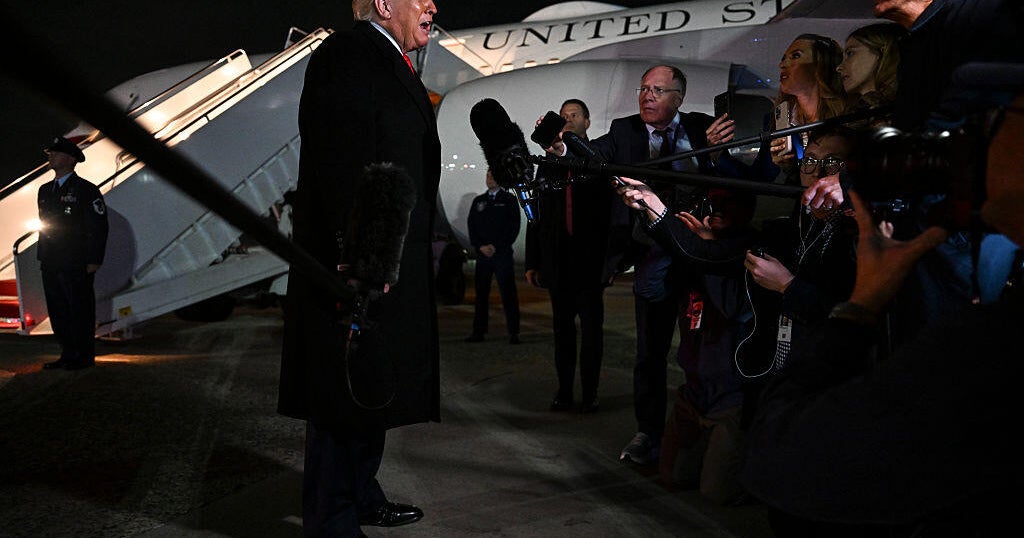
The suspension of the press pool occurred in mid-September after President Trump rescinded the White House credentials of journalists from CNN, MS NOW, and Politico. The administration cited alleged "fake news" and argued that specific articles concerning a White House ballroom, the war with Iran, and a Republican convention were threats to national security that violated standards of professionalism and decorum. In response, the five-network TV pool, which typically provides shared video footage of the president's movements to the wider media, jointly suspended coverage for several days in solidarity with the excluded outlets.
Justice Department officials have requested that the networks hand over all communications related to the pool suspension. While CNN, MS NOW, and Politico successfully obtained a temporary restraining order from U.S. District Judge Timothy Kelly to restore their credentials, the White House has continued to bar CNN and Politico from the Oval Office and Air Force One. The Justice Department stated the Antitrust Division is investigating to determine if the networks engaged in monopolistic or anti-competitive business behavior under the Sherman Act, a century-old law designed to maintain fair competition among commercial rivals.
The scale of the impact involves the national television news infrastructure during a period of significant activity, such as the recent state visit by Chinese President Xi Jinping. While the specific financial costs of the investigation or potential fines were not reported, the legal dispute directly impacts the day-to-day access of reporters to the seat of executive power. A person watching the news would have noticed the absence of standard pool footage during the suspension period in September and may see further changes in how presidential events are documented if the shared pool system is restricted.
The case also intersects with ongoing litigation regarding First Amendment rights, which bar the government from discriminating against media based on content. The Associated Press remains in a separate legal dispute with the administration over access to the Oval Office after its reporters were barred in February. The immediate next step in the related credentialing case occurs on Tuesday, October 13, when the temporary restraining order that restored access for CNN, MS NOW, and Politico is set to expire. Judge Kelly will determine then whether to further extend the order or allow the administration to reinstate the ban. No specific deadline for the Justice Department’s antitrust investigation has been announced.