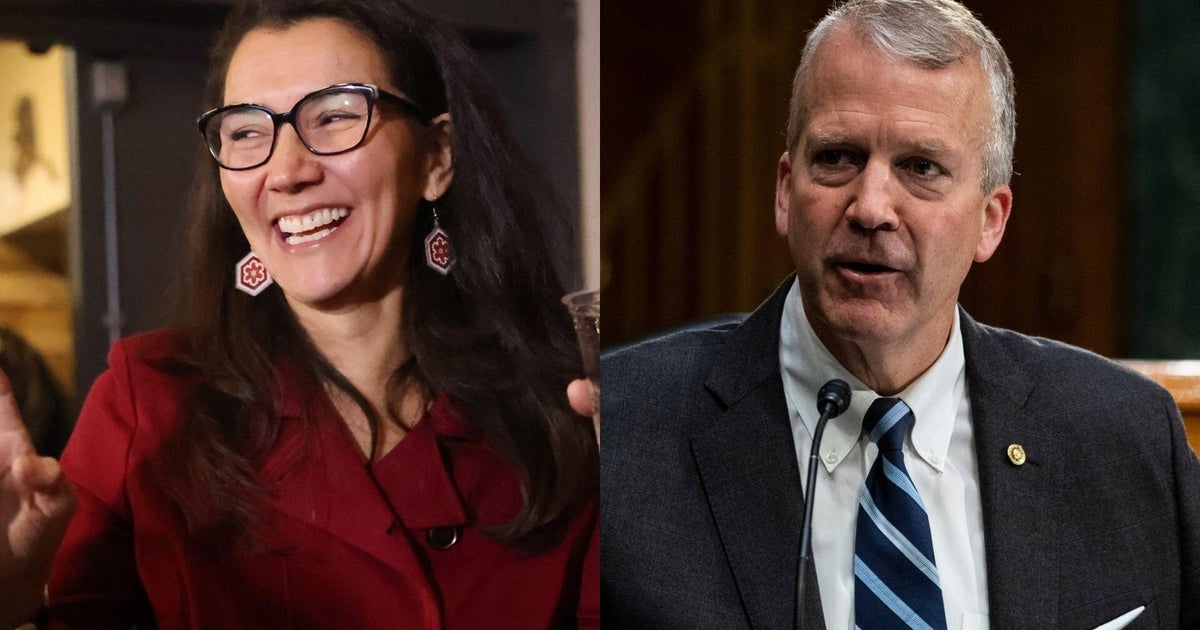
The U.S. Department of Justice has issued a new wave of subpoenas as part of a criminal investigation into the Alaska U.S. Senate race. The probe focuses on allegations that Democratic officials recruited a retired teacher, Daniel J. Sullivan, to run as a candidate to draw votes away from Republican incumbent Sen. Dan Sullivan. No charges have been filed against any individuals involved in the race.
The escalation follows a report by The New York Times on October 28, 2026, which cited internal communications suggesting members of Mary Peltola’s (D-AK) campaign and the Democratic Senatorial Campaign Committee (DSCC) were involved in the recruitment. The Peltola campaign and the DSCC have denied any connection to the effort. While the Alaska Supreme Court previously affirmed the legality of Daniel J. Sullivan’s candidacy, federal prosecutors are examining whether the recruitment violates federal conspiracy statutes.
In a separate civil action on October 29, 2026, the Justice Department amended a lawsuit seeking to block Alaska from certifying election results if the incumbent loses due to "voter confusion." The filing described the recruitment effort as a "conspiracy to undermine the integrity of the electoral process." Alaska state officials have moved to dismiss the suit, arguing that election administration is a state responsibility. Republican Governor Mike Dunleavy has also ordered a state-level probe by the Alaska Department of Public Safety to determine if state laws were violated.
For individual Alaskans, the outcome could mean a delay in knowing their representation in Washington. If the civil lawsuit succeeds, election results could be frozen while investigators attempt to determine voter intent, a process Justice Department officials noted is difficult once ballots are separated from envelopes. The use of federal civil rights statutes, specifically 18 U.S.C. Sections 241 and 242, to prosecute candidate recruitment marks a significant application of law regarding "color of law" and conspiracy to interfere with voting rights.
The proceedings set a precedent for federal intervention in state-run elections based on the recruitment of "spoiler" candidates. A federal judge is expected to rule on the civil injunction in the coming days. The criminal investigation remains ongoing, with officials considering further steps such as search warrants for electronic communications and grand jury testimony. The general election is scheduled for November 2026, and the state's response to the federal lawsuit remains pending in court.