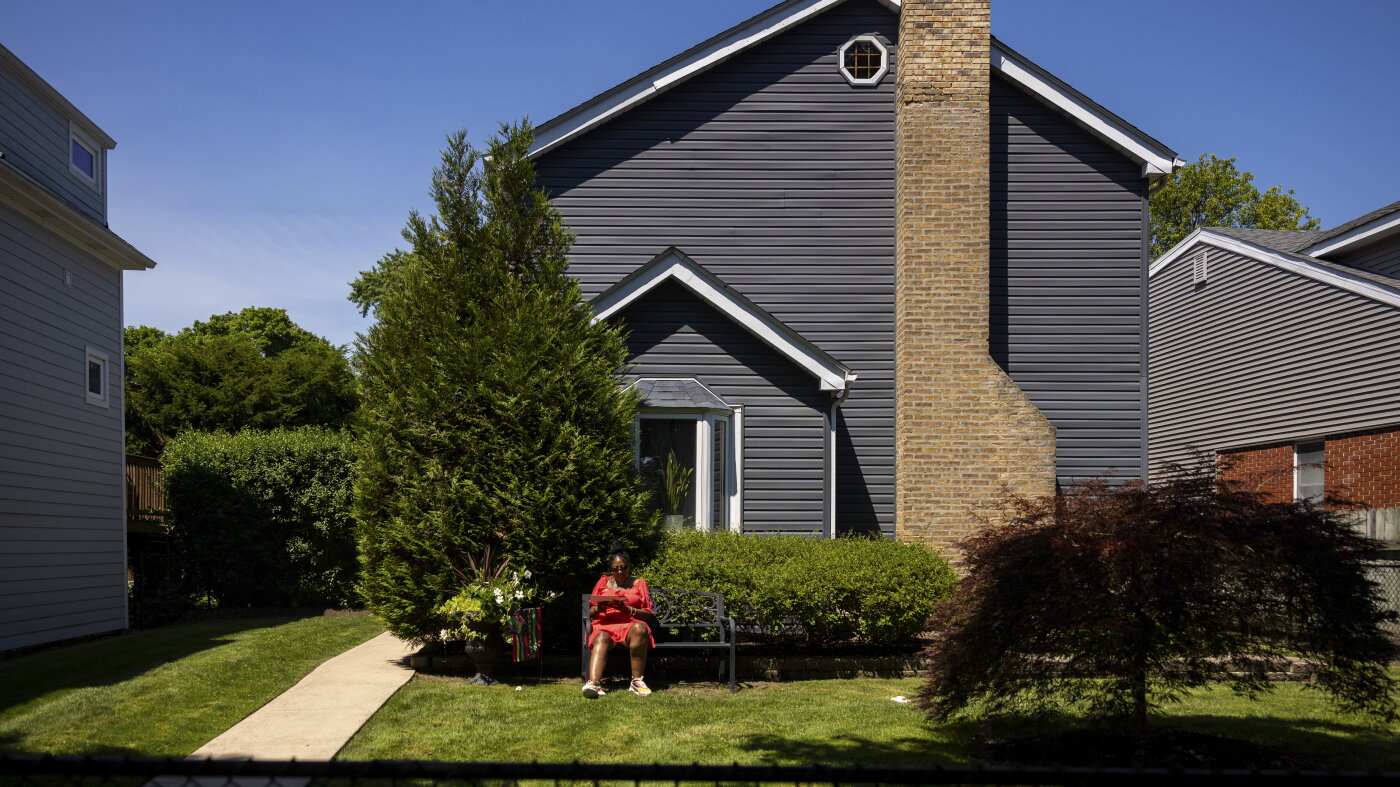
The U.S. Department of Justice (DOJ) has joined a lawsuit seeking to stop a reparations program in Evanston, Illinois, that compensates Black residents for historical housing discrimination. The federal government argues the program violates the U.S. Constitution's equal protection clause by using race as a qualifying factor for government payments. Evanston officials have stated they intend to continue the program while the legal challenge proceeds in federal court.
Evanston became the first U.S. city to approve a reparations plan in 2021 after a local historian's report found that a 1921 zoning law and subsequent banking practices had systematically steered Black residents into a single neighborhood. The city committed $20 million, funded by taxes on cannabis sales and real estate transfers, to provide $25,000 grants to eligible residents. To qualify, applicants must be Black and prove they or an ancestor lived in Evanston between 1919 and 1969.
The lawsuit was originally filed in 2024 by Judicial Watch, a conservative legal group, on behalf of six plaintiffs who do not identify as Black. Michael Bekesha, the attorney for Judicial Watch, stated that the program is discriminatory because it relies on skin color rather than individual proof of discrimination. Harmeet Dhillon, the Justice Department's civil rights chief, said in a June statement that the city is "simply handing out money based on race" and called the program "race discrimination, pure and simple."
The outcome of this case could set a precedent for other local reparations efforts across the United States. Justin Hansford, a Howard University law professor, noted that the case addresses whether race-based government programs are unconstitutional under current Supreme Court standards, which generally require programs to remedy specific, documented discrimination. If the court rules against Evanston, other municipalities considering similar redress for historical policies like redlining may be forced to abandon their plans or alter their criteria to exclude race as a primary factor.
The next steps in the case involve proceedings in federal court, where the Justice Department will participate alongside Judicial Watch. While the Trump administration has expressed a commitment to stopping the program to prevent what Dhillon termed a "slippery slope," Evanston Mayor Daniel Biss and other city leaders have vowed to continue payments to qualified applicants. The city maintains that the program is a targeted effort to undo the specific financial consequences of past local government decisions that impacted property values for Black residents. Any final ruling by the federal court or potential appeals will determine the long-term legality of Evanston's $20 million commitment.