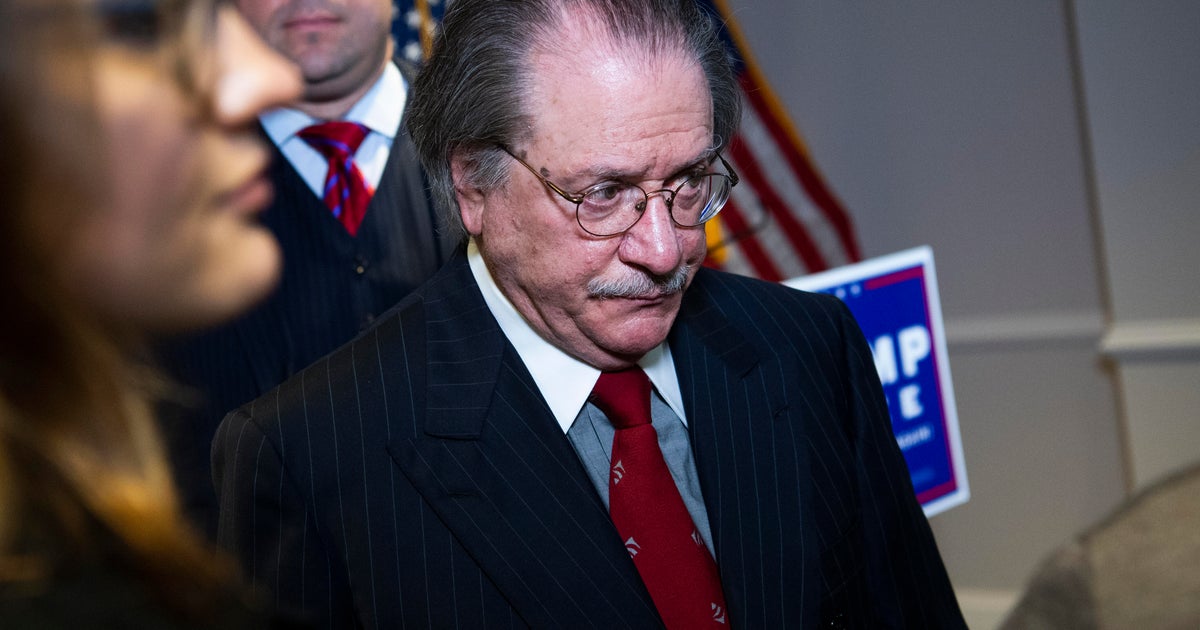
Prosecutor Joe diGenova resigned from the Department of Justice on Thursday after supervising a federal investigation into whether officials from the Obama and Biden administrations conspired to prevent Donald Trump from holding political office. In a statement to CBS News, diGenova confirmed he submitted his resignation to Attorney General Todd Blanche at 3 p.m. Thursday and said his wife, attorney Victoria Toensing, would also leave the department on Friday.
The departure follows diGenova's appointment in April to oversee two specific probes based in Fort Pierce, Florida. He replaced Maria Medetis Long, a prosecutor in the U.S. attorney's office in Miami who was removed from the cases after she reportedly expressed concerns regarding the strength of the evidence. diGenova, who previously served as the U.S. attorney in Washington, D.C., in the 1980s, had more recently represented the Trump campaign in legal efforts regarding the 2020 election results.
Sources familiar with the matter told CBS News that shortly before the resignation, lawyers for several witnesses were notified that their clients would receive grand jury subpoenas. Additionally, investigators had recently contacted attorneys for former FBI agents involved in the investigation of Mr. Trump for his retention of classified records to request voluntary interviews. Alongside the conspiracy probe, diGenova was managing a criminal investigation into whether former CIA Director John Brennan provided false testimony to Congress in 2023 regarding intelligence assessments of 2016 election interference.
For the individuals involved, the immediate impact includes the legal requirement to respond to grand jury subpoenas or requests for voluntary interviews. A subpoena is a legal order requiring a person to testify or provide evidence; failure to comply can lead to legal penalties. These probes specifically examine actions taken by federal employees and intelligence officials during their time in public service, focusing on their handling of election interference assessments and counterintelligence investigations.
The change in leadership may influence the direction of these cases, which have not yet resulted in any criminal charges. The investigations have faced legal challenges, including a lawsuit from Brennan alleging the administration has adopted a policy of using criminal prosecution to punish perceived adversaries. The departure of both diGenova and Toensing leaves the supervision of these matters to be determined by Attorney General Todd Blanche. No specific date for the conclusion of these investigations or any potential indictments has been reported.