The Plain Record

Neutral daily news — clear headlines, complete facts.

Legal

Justice Department Pursues Politically Sensitive Cases Ahead of Midterm Elections

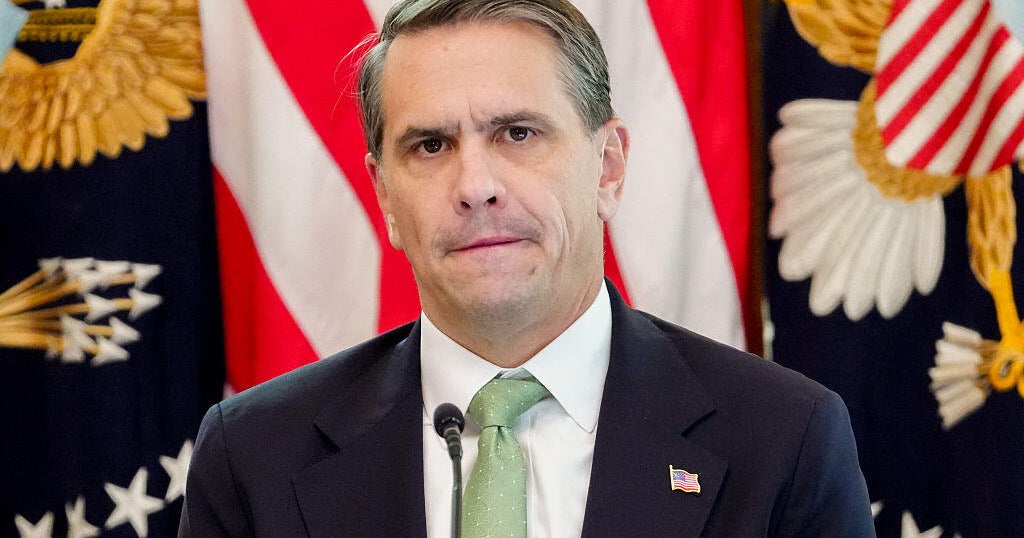
Former DOJ officials say Attorney General Todd Blanche is breaking a historical 60-day norm by pursuing politically sensitive cases weeks before the midterms.

Published October 29, 2026 at 11:50 PM EDT

The short answer

Former DOJ officials say Attorney General Todd Blanche is breaking a historical 60-day norm by pursuing politically sensitive cases weeks before the midterms. The Justice Department has initiated several high-profile criminal investigations and civil lawsuits involving political figures and election procedures in the final weeks before the midterm elections.

Justice Department Pursues Politically Sensitive Cases Ahead of Midterm Elections

The Facts

Who
Attorney General Todd Blanche, Rep. Ilhan Omar, State Sen. L. Louise Lucas, and former FBI Director James Comey.
What
The Justice Department has undertaken several high-profile legal actions against political figures and election procedures in the weeks leading up to the midterm elections, departing from the traditional 60-day quiet period.
When
Throughout October 2026, leading up to the midterm elections.
Where
Washington, D.C., Minnesota, Virginia, California, and Alaska.
Why
The department states it is following the law regardless of political timelines; critics and former officials argue the timing violates norms intended to prevent the DOJ from influencing elections.

The Justice Department has initiated several high-profile criminal investigations and civil lawsuits involving political figures and election procedures in the final weeks before the midterm elections. Recent actions include a search of Rep. Ilhan Omar's (D-MN) home, the indictment of Virginia State Sen. L. Louise Lucas (D), and new criminal charges against former FBI Director James Comey. Former department officials state these moves depart from long-standing practices intended to avoid influencing voters.

Historically, the Justice Department has observed an unwritten 60-day rule, avoiding overt investigative steps close to an election that could impact a race. The Justice Department Manual also prohibits timing actions to provide advantages or disadvantages to candidates. Attorney General Todd Blanche rejected claims of political motivation, stating the department follows "the facts and the law, not anyone's political timetable." Multiple sources confirmed that Blanche has not issued the customary memorandum to staff regarding election-year sensitivities.

In Virginia, prosecutors charged state Sen. Lucas with racketeering and money laundering related to a cannabis business, though she is not on the ballot this year. In Minnesota, federal agents searched the home of Rep. Omar earlier this month in a probe involving immigration fraud allegations. Additionally, the department filed charges against former FBI officials Nikki Floris and Bradley Benavides for allegedly lying about the Hunter Biden laptop investigation. An FBI agent reported this probe began at the request of FBI Director Kash Patel following a speech by President Trump.

The department's legal maneuvers also affect ballot processing and voter registration. In California, the DOJ unsuccessfully sued to force the state to set aside 20,000 ballots belonging to individuals it claimed might be noncitizens. In other jurisdictions, the department has publicized dozens of arrests of alleged noncitizens accused of voting in past cycles, often for misdemeanor offenses. David Becker of the Center for Election Innovation & Research noted these investigations could have occurred during the previous 21 months but were instead initiated immediately before the election, potentially creating a perception of interference.

Former prosecutors, including Gregory Brower and Gregory Rosen, state that such moves risk eroding public trust in the department's impartiality. They noted that even merit-based cases may be viewed as politically stained by juries, potentially hindering the ability to secure convictions. The Public Integrity Section, designed to oversee such sensitive cases, reportedly has only two staff members remaining after leadership changes last year. What happens next depends on court rulings and the upcoming midterm elections; many of these cases will proceed to trial or grand jury review after voters have cast their ballots.

Timeline of what happened

Key dates and decisions, in the order they occurred.

  1. October 5, 2026

    Statute of limitations deadline for James Comey case

  2. October 21, 2026

    AG Todd Blanche speaks at White House roundtable

  3. October 26, 2026

    DOJ unseals new criminal charges against James Comey

  4. October 27, 2026

    Prosecutors attempt to add charges to FBI laptop probe case

  5. October 27, 2026

    Grand jury declines to indict Cassidy Hutchinson

Summaries are written by The Plain Record to state the facts of a story plainly and without political slant. Drafted with AI assistance and checked against the source record before publication. See how we report, or report a correction.

← Back to the front page

Questions readers ask

What happened: Justice Department Pursues Politically Sensitive Cases Ahead of Midterm Elections?

The Justice Department has undertaken several high-profile legal actions against political figures and election procedures in the weeks leading up to the midterm elections, departing from the traditional 60-day quiet period.

Who is involved?

Attorney General Todd Blanche, Rep. Ilhan Omar, State Sen. L. Louise Lucas, and former FBI Director James Comey.

When did this happen?

Throughout October 2026, leading up to the midterm elections.

Where did this happen?

Washington, D.C., Minnesota, Virginia, California, and Alaska.

Why does this matter?

The department states it is following the law regardless of political timelines; critics and former officials argue the timing violates norms intended to prevent the DOJ from influencing elections.