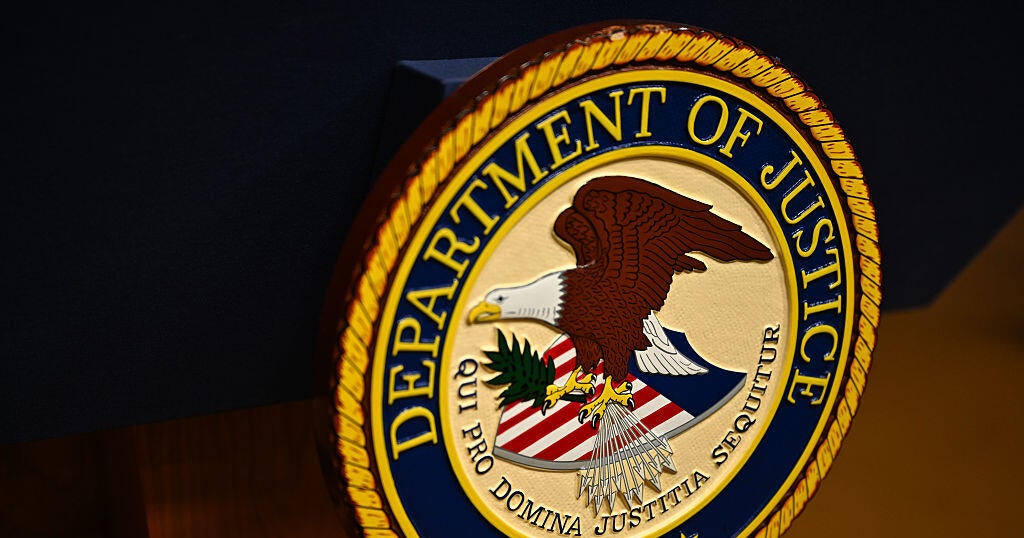
The U.S. Department of Justice (DOJ) will stop hiring outside experts to review and rank competitive grant applications, a practice known as peer review. A DOJ spokesperson confirmed the program will formally end in the fall, shifting the responsibility of evaluating applications to internal staff. The change affects the Office of Justice Programs (OJP) and the Office on Violence Against Women (OVW), which together distribute billions of dollars annually to law enforcement, research institutions, and victim services groups.
The peer review system has been used for decades to provide independent assessments of whether grant proposals are feasible, meet federal criteria, and have appropriate budgets. The DOJ stated that the transition aims to reduce costs by cutting out external contractors and bringing expertise in-house. A spokesperson for the department characterized peer review as an "inefficient and outdated process" that outsourced core functions to individuals who might not align with the administration’s priorities.
The peer review program is currently managed through contracts with the company BETAH and its subcontractor, Leidos. A Leidos spokesperson stated that the company’s contract with the OJP is currently active under a bridge order through November 1. Internal sources reported that the use of outside reviewers was briefly paused in 2025, during which time OJP staff were required to conduct reviews themselves. Those sources described that period as difficult, noting that many staff members lacked specific expertise and worked late hours to manage the workload.
A person working for a grant-seeking organization will notice a change in how their applications are evaluated starting this fall. Instead of being scored by independent subject matter experts, their proposals—which often include complex scientific methodologies or specialized victim-service protocols—will be reviewed by internal DOJ staff. Critics of the move, such as Jean Bruggeman of Freedom Network USA, argue this could lead to grants being awarded based on political goals rather than best practices. Conversely, the DOJ maintains that the change will allow the department to process awards with greater speed and efficiency while ensuring alignment with administrative missions like "Make America Safe Again."
The shift occurs as the OJP reportedly faces a staffing shortage of several hundred employees and struggles to finalize awards for the 2025 and 2026 fiscal years. The decision follows a precedent set by the DOJ’s Office of Community Oriented Policing Services (COPS), which began phasing out peer review in 2019. The formal end of the program for the remaining offices is expected by November 1, when the current bridge contract with Leidos expires. Future grant cycles will be handled entirely by internal staff, who will be responsible for ensuring the technical and budgetary viability of all submitted proposals.