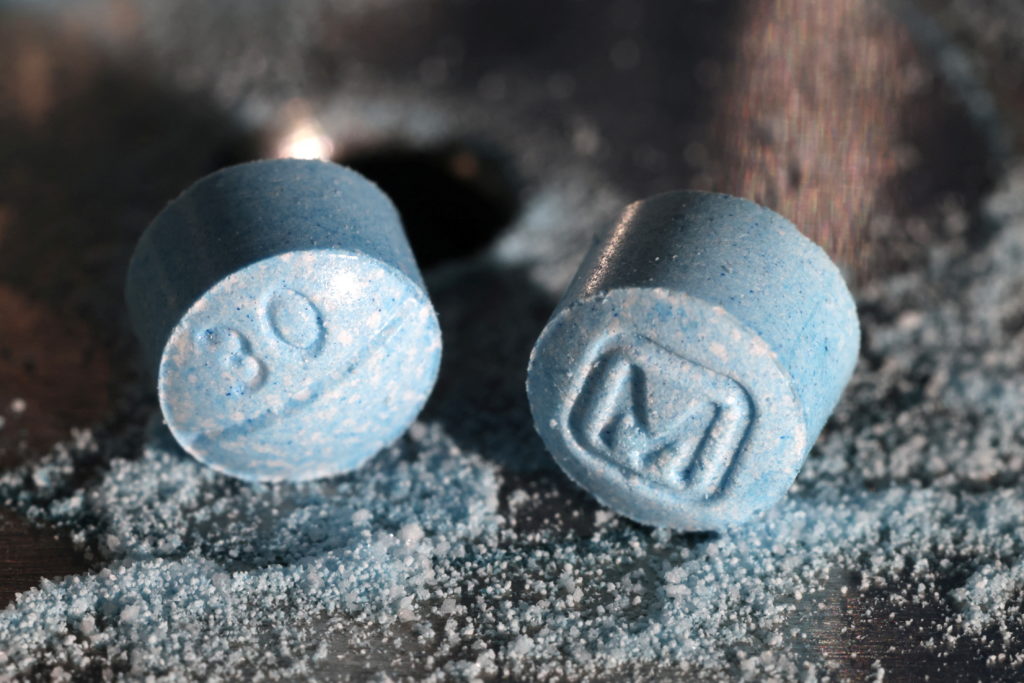
The U.S. Department of Justice’s internal watchdog announced Monday a review of a Drug Enforcement Administration (DEA) investigative strategy that allowed shipments of fentanyl to reach the public. The inquiry by Inspector General Don Berthiaume will examine whether federal law enforcement monitored deliveries of the synthetic opioid but declined to seize them in order to maintain ongoing wiretap investigations and build larger cases against traffickers.
The review follows a report from the Associated Press that DEA agents in New Mexico monitored several fentanyl shipments between 2023 and 2025 without interdicting them. Current and former agents told investigators that this "walking" of drugs potentially violated 2017 Justice Department rules requiring agents to prevent fentanyl distribution as soon as practicable. Those rules were updated in 2024 to grant agents more discretion to prioritize long-term investigative benefits over immediate seizures.
Records indicate one specific instance in Albuquerque where the DEA reportedly declined to stop a delivery of 74,000 pills. Additional whistleblower complaints allege that agents monitored a courier making repeated deliveries between Phoenix and Albuquerque in 2022 and 2023, with each delivery estimated at 50,000 to 100,000 pills. Another complaint claims colleagues failed to seize 350,000 pills identified during a 2024 wiretap. DEA Administrator Terry Cole requested an outside inquiry but stated it should not be seen as a lack of confidence in his agency's personnel.
The investigation will clarify whether federal law enforcement's decision to prioritize larger prosecutions over immediate interdiction represents a legal or procedural failure. If the inspector general finds that the DEA’s "willful inaction" violated department protocols, it could lead to the reinstatement of stricter 2017 seizure mandates. Such a change would reduce the discretion of federal agents to let drugs "walk," potentially altering how large-scale trafficking networks are dismantled. This review serves as a precedent for how federal agencies balance the immediate risk of drug distribution against the long-term goal of taking down entire criminal organizations.
The review will focus on Justice Department actions taken over the past two years, covering activities in Albuquerque and investigating if similar tactics were used in other U.S. cities. The timeline for completion of the Inspector General's report is not yet known. In the interim, New Mexico’s Attorney General has threatened to sue the Justice Department for access to records regarding these operations, and state authorities are investigating whether DEA agents violated state laws. The results could impact future coordination between federal agencies and state-level law enforcement.