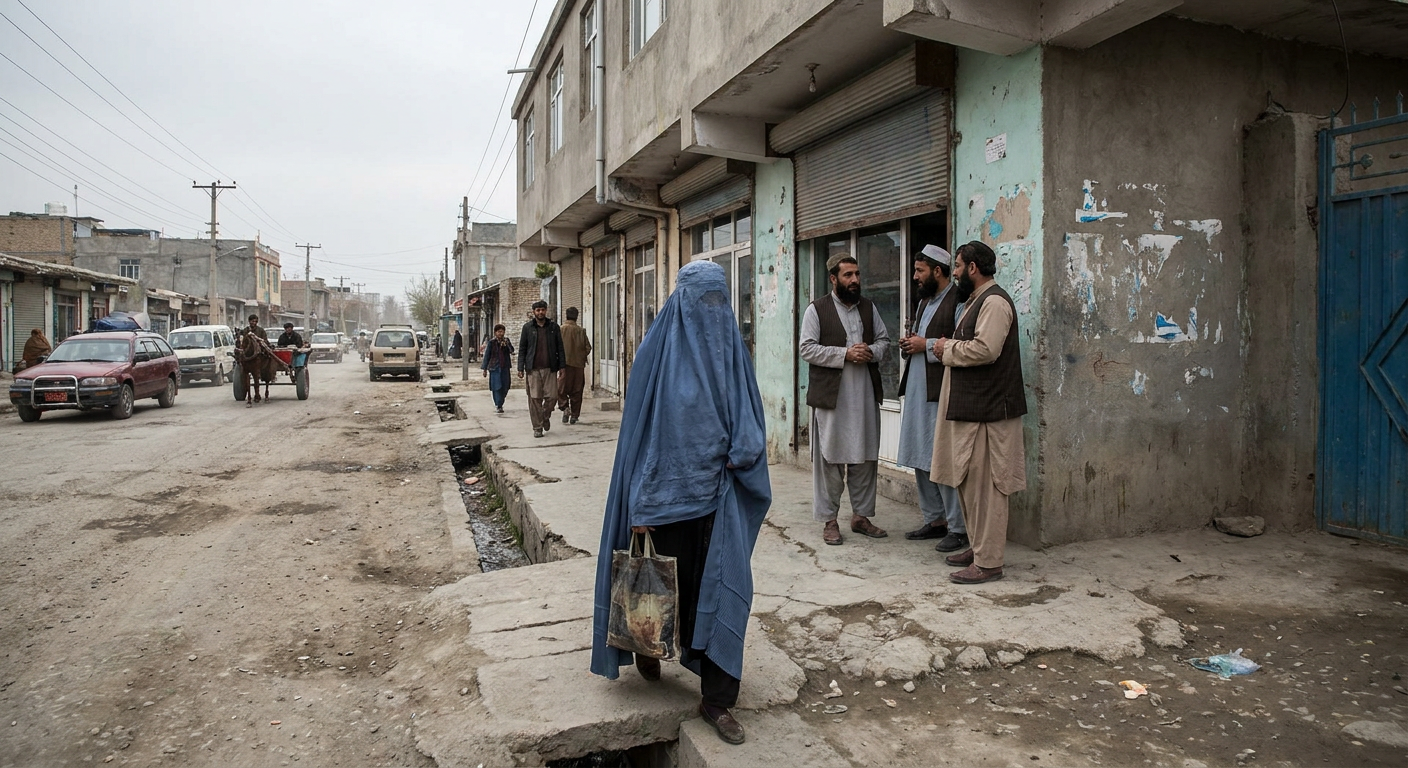
Five years after the Taliban returned to power in Afghanistan, residents of Kabul are navigating social restrictions that govern dress, business, and public interaction. While the government has reinstated rules from the 1990s, including mandatory head coverings for women, the enforcement and public response differ from previous decades.
The current administration has implemented mandates such as the mandatory hijab, requiring women to cover their faces, and has restricted socialization between men and women. In 2023, the government ordered the closure of approximately 3,000 beauty salons in Kabul and 12,000 nationwide, designating the businesses as un-Islamic. Men are prohibited from wearing certain Western-style haircuts, tight shirts, or shorts that show their knees.
Despite these orders, some activities continue through underground operations or selective enforcement. Women appear on television wearing medical masks instead of full-face coverings, and clandestine beauty salons operate out of private homes, advertising through social media while keeping their physical addresses hidden. In Kabul, some women travel without male guardians or wear shorter robes than traditional standards dictate.
Men in Kabul are increasingly participating in "looksmaxxing," a trend focused on physical appearance and fitness optimization. Gyms remain active, where some men use supplements and steroids, and clinics offer cosmetic procedures such as hair implants, microneedling, and Botox. Ali Latifi, a Kabul-based freelance journalist, noted that many residents have continued to patronize cafes, restaurants, and stores that were initially expected to close under the new government.
Obaidullah Baheer, a lecturer at the American University in Afghanistan, suggested that ongoing public behavior and internal government dialogues may lead to future negotiations regarding social norms. While movie theaters remain closed, the availability of international media from Iran, Pakistan, and India on television indicates that information and culture continue to cross borders. The government’s enforcement of beauty salon bans and grooming standards remains subject to periodic sweeps by virtue and vice patrols.