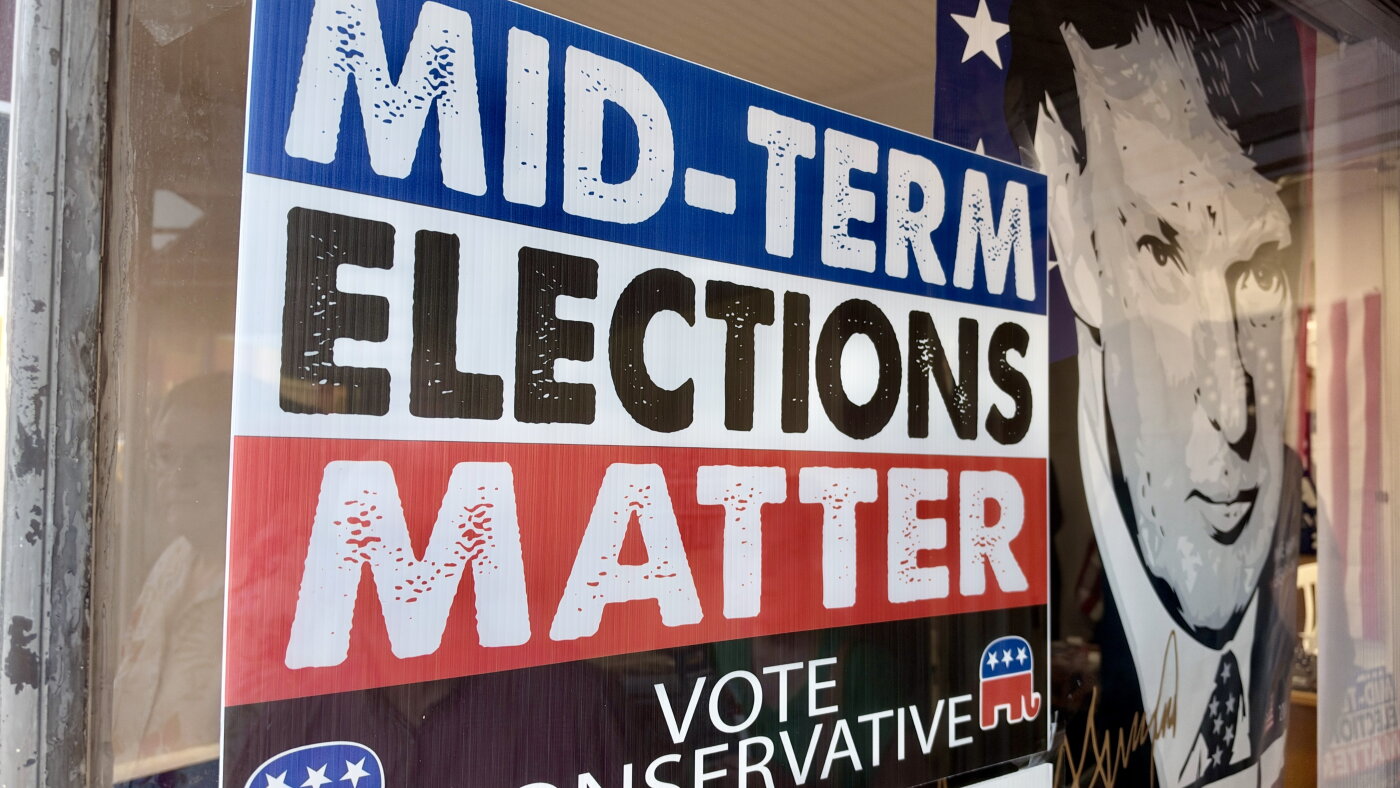
Recent polling shows a narrow race for a U.S. Senate seat in Kansas, where Democratic nominee Adam Hamilton is challenging Republican incumbent Sen. Roger Marshall. The contest is one of approximately 10 states where voters may split their tickets between a governor and a senator from different parties, as Republican Ty Masterson currently leads the gubernatorial race to succeed term-limited Democratic Gov. Laura Kelly.
The Senate race has become a toss-up two years after Donald Trump won 57% of the state's vote. According to reporting from Wednesday, October 14, 2026, both parties have redirected tens of millions of dollars to Kansas in recent weeks. President Trump announced on Tuesday, October 13, that he will campaign in Wichita next week for Marshall and other Republican candidates.
Hamilton, a pastor at the Church of the Resurrection, has positioned himself as a moderate voice focused on affordability and healthcare. Marshall has characterized Hamilton as a "radical liberal" whose policies would negatively impact the state's agriculture and energy sectors. The Republican incumbent has recently faced criticism for a campaign ad that used images of unrelated businesses and for a six-year-old unpaid bakery bill, which his campaign settled with interest on Monday, October 12.
Additional reports have identified a potential conflict of interest regarding a $4.2 million earmark Marshall requested for a water project near the Quivira National Wildlife Refuge. The project would pump water into Rattlesnake Creek, which borders Marshall’s 20% stake in Rattlesnake Ranch. While Marshall’s office stated the ranch would not benefit, a water rights attorney noted that a steadier water supply could increase land value for hunting. Marshall has previously voted four times to eliminate earmarks, calling them a waste of taxpayer money.
The scale of the financial impact is visible in the tens of millions of dollars in national party spending currently flowing into the state for advertising and get-out-the-vote efforts. Residents would notice changes in state-level policy depending on the gubernatorial outcome, particularly regarding tax levels and energy costs. The Republican nominee, Ty Masterson, has campaigned on lowering taxes for homeowners and businesses, while Democratic nominee Cindy Holscher seeks to continue the administration's current trajectory.
A split result, where a Republican wins the governorship and a Democrat wins the Senate seat, would maintain Kansas' status as one of the few states with divided executive and legislative representation. This sets a precedent for how nationalized issues like inflation and federal spending interact with local environmental disputes, such as the Quivira water rights case. Early voting has already begun, and the final results will be determined on Election Day, November 3, 2026. After the election, the new governor and senator will take office in January 2027.