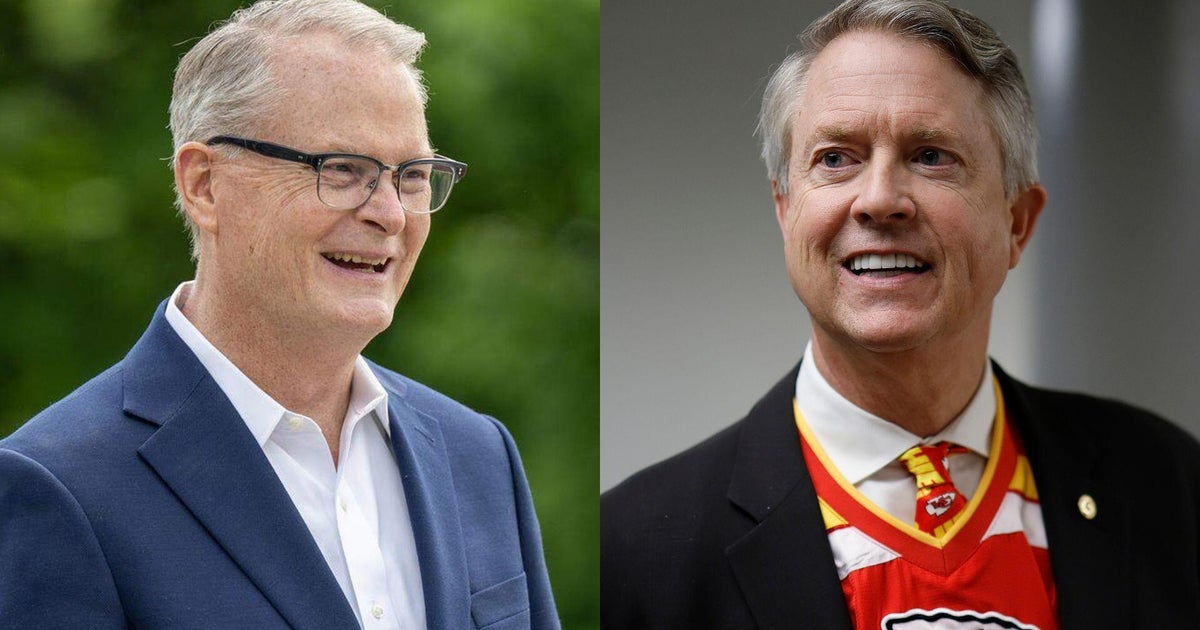
Incumbent U.S. Senator Roger Marshall (R-KS) and Democratic challenger Adam Hamilton are engaged in a closely contested race for a Kansas Senate seat that has not been held by a Democrat since 1932. Recent polling from Emerson College/Nexstar shows Hamilton at 45% and Marshall at 43%, which falls within the poll’s 3.6-point margin of error. Hamilton, a pastor who leads a United Methodist church with over 23,000 members, switched his party affiliation from Republican to Democratic in April upon entering the race.
The contest is taking place against a backdrop of economic pressure in the state's agriculture sector. While Donald Trump won Kansas by 16 points in 2024, his approval rating in the state has decreased to 39%. Factors cited by analysts include high diesel prices, which are up 79% over the past year, and the suspension of tariffs on Argentine beef, which ranchers report has caused losses of up to $600 per head of cattle. Additionally, recent Immigration and Customs Enforcement (ICE) raids in western Kansas have led to concerns from industry leaders regarding labor shortages and potential increases in beef prices.
The campaign has focused significantly on the candidates' personal backgrounds and records. Hamilton has criticized Marshall for owning a vacation home in Florida and for his past medical practice's debt-collection methods. A New York Times investigation found that Marshall’s former OBGYN practice sued 700 patients and garnered wages for overdue bills, with 81 patients arrested for missing court dates. Marshall has defended these as common business practices while stating his practice also provided free care. Conversely, Marshall has labeled Hamilton a "radical Democrat" and a "megachurch CEO," pointing to Hamilton's ownership of four homes and his sermons on climate change and diversity as evidence that he aligns with the national Democratic platform.
A victory for Hamilton would be the first Democratic Senate win in Kansas in over 90 years. Such a shift would indicate that a centrist platform can overcome traditional party lines in a state where Republicans currently make up 45% of the electorate and Democrats only 24%. To win, Hamilton must retain his base while securing a majority of unaffiliated voters and at least 25% of Republicans. The race is also testing the influence of national figures; while Vice President JD Vance and Donald Trump have endorsed Marshall, Hamilton has secured endorsements from former Republican Governor Bill Graves and Marshall’s former primary opponent, Arch Naramore.
What happens next: Voters will cast their ballots on Election Day in November. As of late September, major political analysts including the Cook Political Report and Sabato’s Crystal Ball have adjusted their ratings for the race from "Likely Republican" to "Lean Republican," reflecting the tightening polls. Candidates continue to participate in debates, such as the one recently held at the Kansas State Fair, to address concerns over healthcare costs, energy prices, and the ongoing war in Iran. The effectiveness of the $600 loss per head and fuel price arguments among the state's rural voting blocs will be determined at the polls.