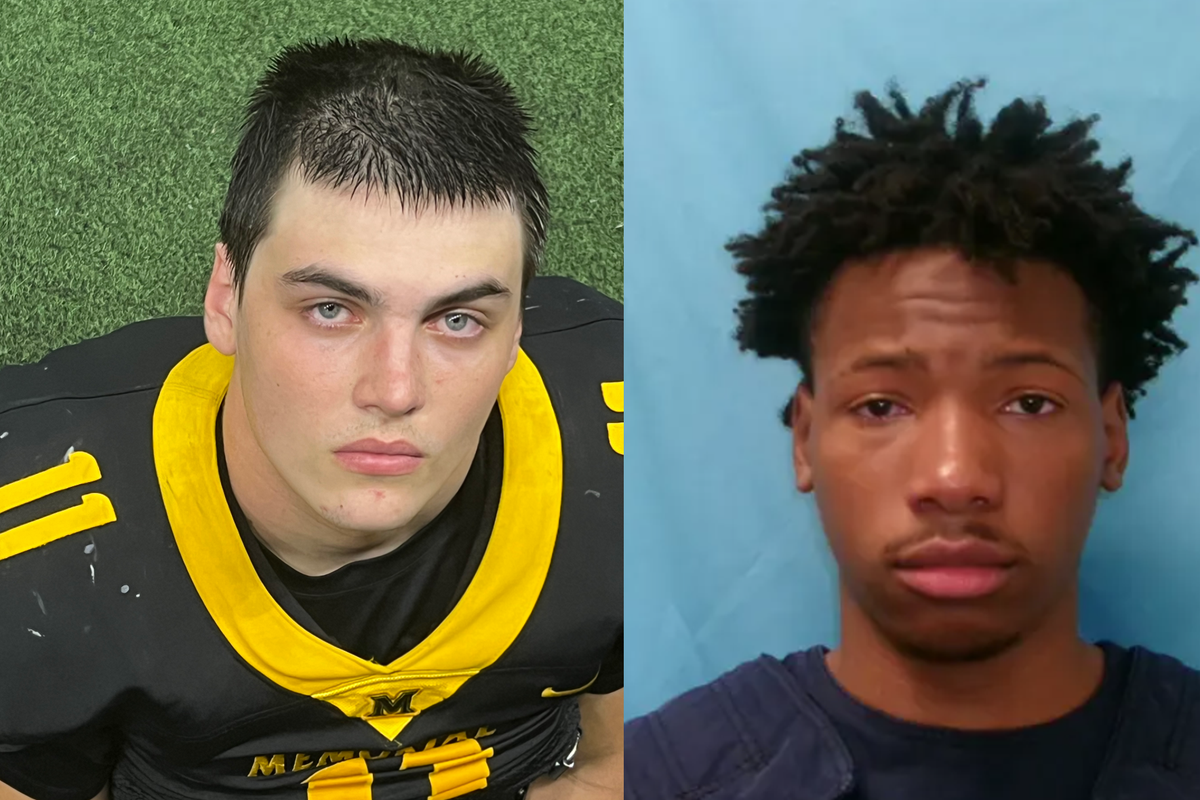
Attorneys for Karmelo Anthony stated Friday that the 19-year-old declined to testify at his murder trial earlier this year due to concerns that prosecutors would introduce damaging evidence regarding his past. Anthony is currently seeking a new trial after being sentenced in June to 35 years in prison for the fatal stabbing of 17-year-old Austin Metcalf at a Texas high school track meet last year.
Defense attorney Toby Shook testified during a hearing near Dallas that Anthony’s plan to provide his own account of the events was abandoned. Shook said the defense feared prosecutors might break agreements to exclude specific evidence that could further inflame the case, which has been marked by racial tensions and harassment toward both families. Anthony is Black and Metcalf was white.
Prosecutor Bill Wirskye defended the original trial proceedings as fair, stating that the possibility of Anthony testifying was not included in the original agreement between the parties. However, defense attorneys argued that the court should have anticipated Anthony would want to present a self-defense argument. Evidence not shared with the jury included a text message from Anthony about stabbing someone and Metcalf’s history of fighting and using racist language.
The push for a retrial also involves claims of procedural errors. Defense lawyers argued that the original judge, state District Judge John Roach, allowed a "shadow docket" that restricted access to character information from both sides. Roach was removed from the case this week after Anthony’s attorneys cited a television interview in which the judge stated that the jurors "got it right" with the guilty verdict.
State District Judge Michael Chitty has been assigned to determine whether a new trial will be granted. While both families attended the two-day hearing, Chitty did not immediately issue a ruling. The original trial took place under high security following reported threats against a judge, witness intimidation, and the circulation of false autopsy reports online.
The scale of the legal conflict is centered on the 35-year sentence handed down by a June jury and the specific evidence withheld from them. This includes personal communications and juvenile histories that were excluded by legal agreements. The case has already resulted in the removal of the original presiding judge and has required heightened security due to public volatility, including social media posts that amplified the event nationwide.
A person following this case would notice the impact in the transparency of the judicial process. The defense’s claim of a "shadow docket" suggests that legal rights regarding public access to proceedings and evidence were restricted. If a new trial is granted, the next steps would involve selecting a new jury and potentially presenting the previously excluded evidence regarding both the defendant and the victim. A decision date from Judge Chitty has not yet been reported.