The John F. Kennedy Center for the Performing Arts in Washington, D.C., was closed and fenced off this week following a series of conflicting statements regarding its structural integrity and future. While a spokesperson for the center stated on a Wednesday that "nothing is being demolished," President Donald Trump suggested the building could be "ripped down" if his administration did not receive recognition for its restoration efforts.
The events follow a Tuesday ruling by U.S. District Judge Christopher Cooper, who determined that President Trump’s name cannot be added to the building. After that ruling, the Kennedy Center board, which includes allies of the president, voted to close the facility for renovations. Congress had previously appropriated more than $250 million for restoration work.
Legal filings submitted on a Wednesday by Rep. Joyce Beatty (D-OH), an ex officio board member, included a witness statement alleging that a "forklift run into and hit the pillars" of the building. The Justice Department countered in court documents on a Thursday that the building was closed for one week to address "acute risks to public safety" caused by "structural deterioration." Executive Director Matt Floca stated the closure was a management decision to address "imminent life-safety risks" and was distinct from the board's vote for renovations, which still awaits a court determination on its legality.
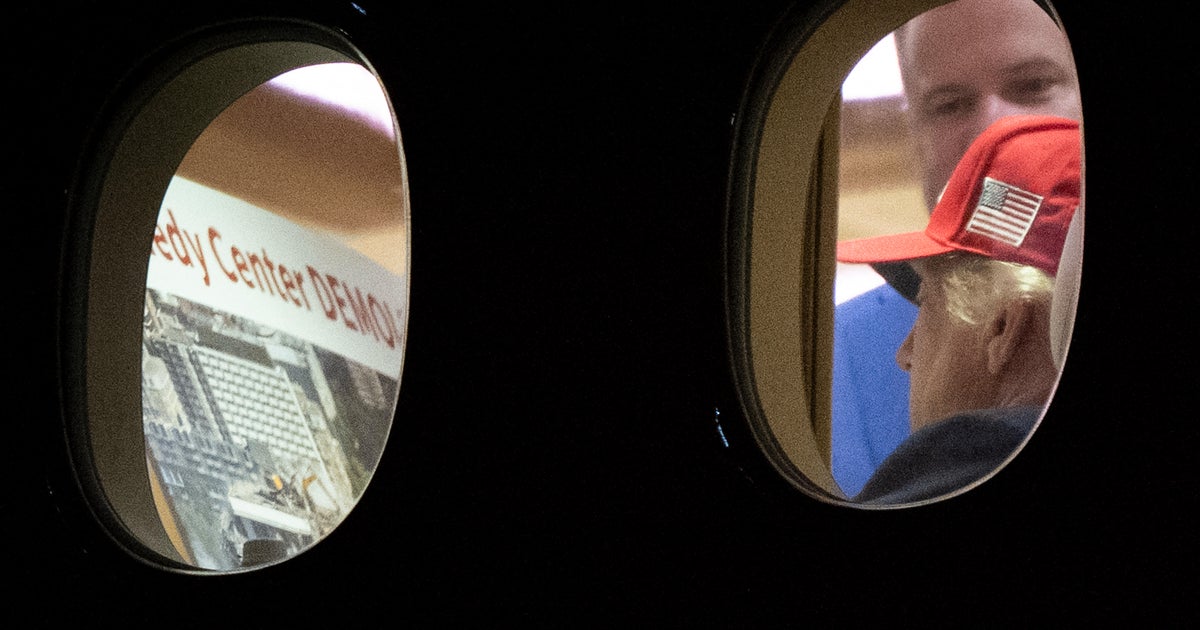
On a Wednesday night, President Trump was photographed on Air Force One looking at a document with the heading "Kennedy Center Demolished." He stated that if his administration were to raise money for the center long-term, it "should certainly have recognition," adding that without such involvement, the center would "end up being ripped down." Roma Davari, the center's vice president of public relations, dismissed reports of demolition, stating that no such directive had come from the institution.
The day-to-day impact on staff and visitors remains uncertain as the duration of the closure is currently set for one week, with the possibility of week-to-week extensions based on safety evaluations. This means scheduled performances, tours, and educational programs could be canceled or postponed until management deems the "imminent life-safety risks" resolved. The legal dispute over the board's authority to close the building for renovations also places the status of the $250 million restoration project in a state of flux.
The situation involves the executive branch's influence over the naming and management of national memorials and cultural institutions. The outcome of the ongoing litigation will determine whether a presidential administration can successfully seek naming recognition as a condition for fundraising or restoration support for a federal landmark. Next steps include a pending ruling from Judge Christopher Cooper on whether the board’s vote to close for renovations was lawful, as well as the expiration of the initial one-week safety closure.