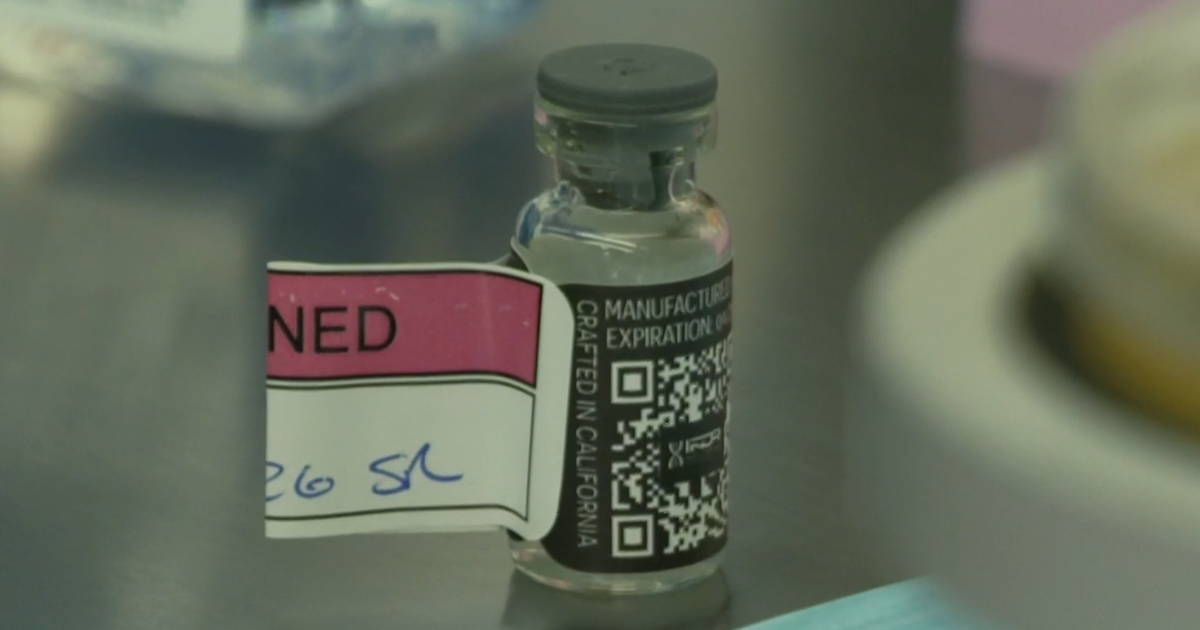
Testing by researchers at the University of Iowa found that a vial sold as retatrutide at a Brooklyn bodega contained bacteria and a filler compound rather than active medicine. CBS News purchased three samples of what was marketed as retatrutide, a peptide currently in clinical trials by Eli Lilly for obesity treatment, from an online clinic, a Florida gym, and a New York convenience store. While the online and gym samples were consistent with a basic standard for the drug, the bodega sample showed no evidence of containing a peptide.
Retatrutide is not currently approved by the Food and Drug Administration (FDA). It is a next-generation treatment being studied for weight management. Dr. Reshma Ramachandran, a Yale physician, cautioned that because the drug has not yet been certified as safe or effective, consumers purchasing it from unregulated sources are acting as "guinea pigs." Eli Lilly, the manufacturer of the experimental drug, stated that black-market sellers do not follow the quality and consistency requirements mandated for regulated manufacturers.
Jason Galpin, a research scientist at the University of Iowa, identified a primary ingredient in the bodega sample as phenylacetic acid. He described the compound as a filler typically used in fragrances and lip balms. Further analysis by Carl Ross, director of development at the University's Center for Biocatalysis and Bioprocessing, revealed 13 colonies of bacteria within the same sample. Ross noted that injecting contaminated material under the skin presents a risk of infection as the bacteria can multiply.
Consumers using these products may experience a lack of standard medical oversight, such as the absence of health evaluations. A person injecting these substances faces potential health complications, including bacterial infections or exposure to unknown fillers like phenylacetic acid. These effects can occur upon injection or manifest as infections thereafter. Eli Lilly stated that a single test is not a guarantee that the next vial will be safe or sterile.
The growth of this market involves the distribution of unapproved clinical compounds through non-medical platforms. Dr. Ramachandran expressed hope that regulators can find ways to oversee these platforms. Eli Lilly stated that every day authorities fail to act against the black market is another day consumers are put at risk. Specific dates for new oversight measures or court proceedings regarding the identified sellers have not been reported.