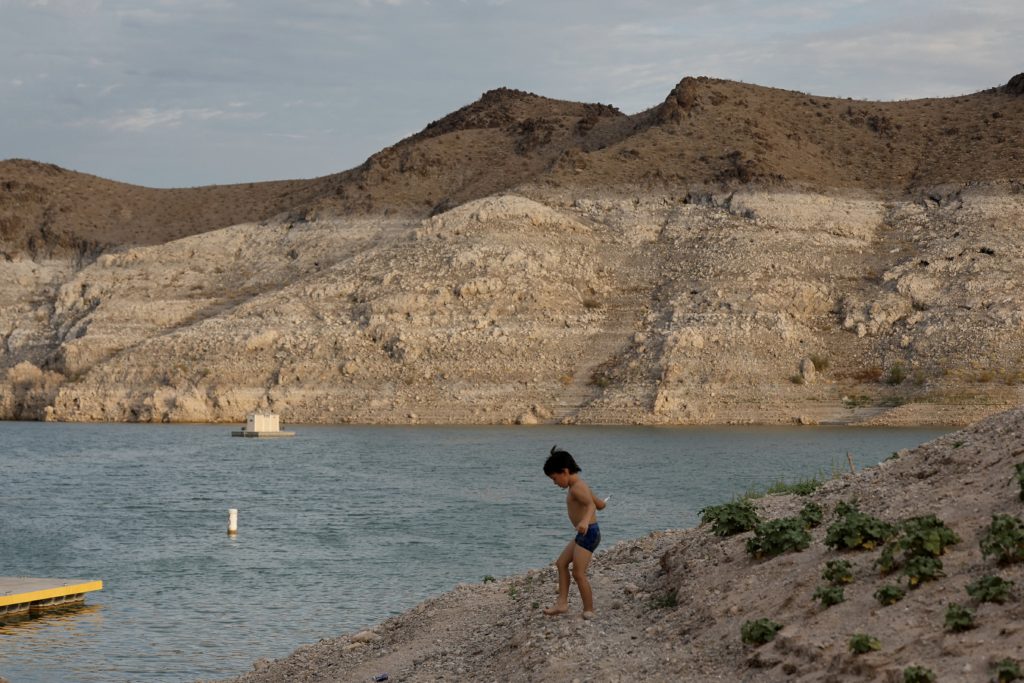
Lake Mead reached its lowest water level since the reservoir was filled approximately 90 years ago, according to federal data released Friday. The water level at the reservoir, which sits on the Arizona-Nevada border, fell to 1,040.4 feet above sea level, surpassing a previous record low set in July 2022.
The decline follows a winter that recorded the lowest snowpack in the Colorado River Basin's history. Because the river is fed primarily by melting snow, the lack of accumulation has strained the system that provides water to seven U.S. states, tribal nations, and Mexico.
To address the shortage, federal officials recently introduced a short-term proposal that would require Arizona, California, and Nevada to share water cuts. This federal intervention occurred after the seven states that rely on the river—including Colorado, New Mexico, Utah, and Wyoming—were unable to reach a long-term agreement on water sharing.
In a separate move to manage the system, federal officials announced Thursday they would not release water from Lake Powell's Glen Canyon Dam into the Grand Canyon region. This decision is intended to protect a threatened native fish species and maintain the system's ability to generate hydroelectric power. Lake Mead and Lake Powell, the nation's two largest reservoirs, are currently at their lowest combined levels in nearly 70 years.
The scale of the crisis is reflected in the combined storage of Lake Mead and Lake Powell, which have reached a 70-year low due to what officials attribute to years of overuse, drought, and rising temperatures. Under the current federal proposal, residents and businesses in the Lower Basin states of Arizona, California, and Nevada would face mandated reductions in their water allocations. While the specific per-household or per-month impact was not detailed in the report, the cuts represent a formal shift in how the river's resources are distributed among the millions of people who rely on it for daily needs and economic activity.
The knock-on effects extend to the energy sector and environmental protections. The decision to halt water releases from Glen Canyon Dam illustrates a prioritization of hydropower production over downstream habitat maintenance for threatened species. What happens next depends on the implementation of the federal short-term proposal, as states continue to negotiate a long-term framework for water distribution. No specific deadline for a final long-term agreement was reported.