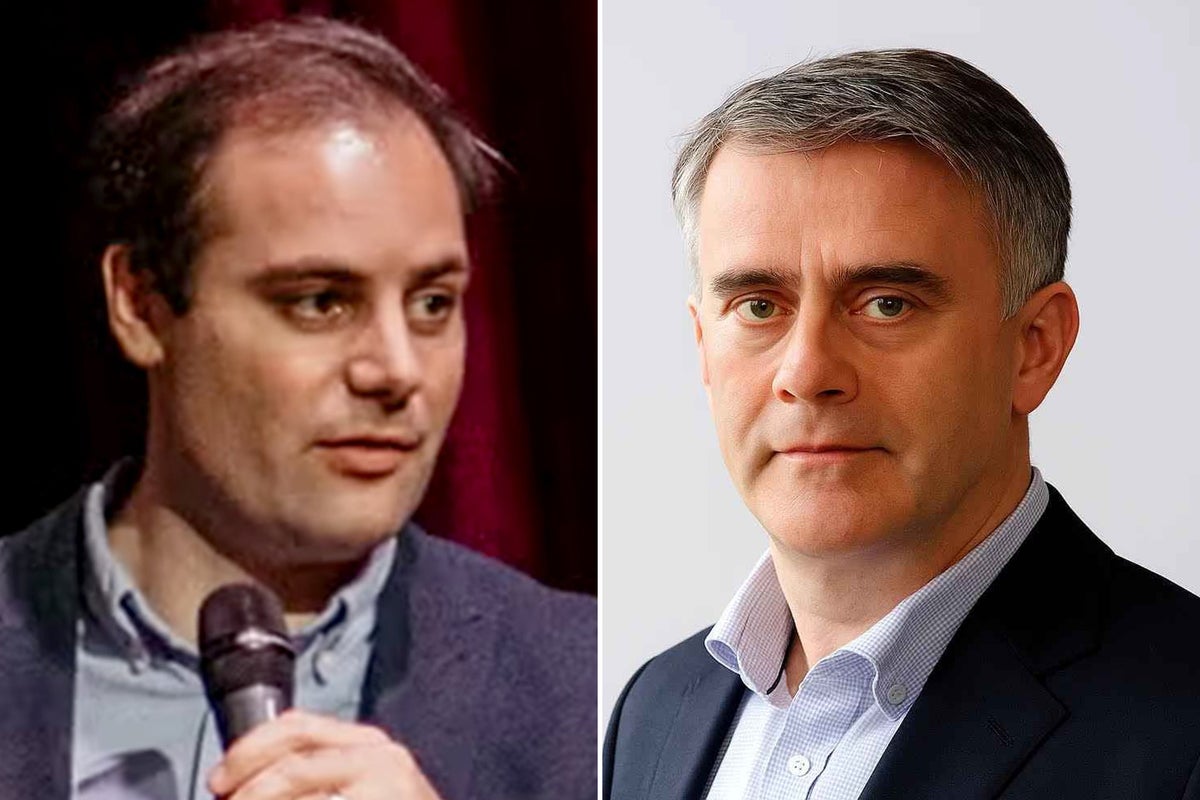
Two donations totaling £72 million from cryptocurrency investors to Reform UK have led to renewed calls from Members of Parliament (MPs) for a cap on political contributions. The donations, announced last week, have prompted some lawmakers to urge the Labour government to expand the Representation of the People Bill, which currently proposes a £100,000 limit only for donors based overseas.
The recent funding surge for Nigel Farage’s Reform UK includes a £36 million contribution from Christopher Harborne, who announced the gift on Saturday, September 12. Harborne, a British billionaire, has now donated a total of £51 million to the party. A separate £5 million gift to Mr. Farage is currently under investigation by parliament’s standards commissioner. Harborne was previously a donor to the Conservative Party for two decades, contributing nearly £1.8 million.
On Friday, September 11, Ben Delo, the founder of the BitMex trading platform, also announced a £36 million donation to Reform UK. Delo, who was born in Sheffield but based in Dubai, stated in April he would return to the UK to bypass restrictions on overseas donations. Delo was previously convicted in the U.S. for anti-money laundering program failings in 2022 and was pardoned by Donald Trump last year.
Other major political donors include Lord David Sainsbury, who has provided more than £11 million to the Labour Party under Keir Starmer’s leadership. Sainsbury previously donated £8 million to the Liberal Democrats during Jeremy Corbyn’s tenure as Labour leader. His cousin, the late Lord John Sainsbury, left a £10 million bequest to the Conservative Party in his will. Other significant contributors include Autoglass founder Gary Lubner, who has given Labour nearly £8.4 million, and property executive Graham Edwards, who has donated more than £6 million to the Conservatives.
For the average voter, these rules could influence the visibility of different political parties during election cycles. A cap would mean parties could no longer rely on a small number of wealthy individuals to fund large-scale advertising, staffing, and campaign efforts. Instead, parties might be forced to shift toward smaller, grassroots donations or seek alternative public funding models. This change would be most noticeable in the volume of political mailings, digital advertisements, and the overall scale of national campaigns that residents encounter leading up to polling days.
The current legislative focus is on the Representation of the People Bill, which is undergoing review in the House of Lords. The bill's existing provision for a £100,000 cap on overseas donors sets a precedent for how the UK defines political influence from abroad. The outcome of the calls for a broader cap will determine whether the UK follows other nations in strictly limiting private money in politics. The House of Lords is currently considering these measures, though a final date for a vote or the bill’s implementation has not yet been reported.