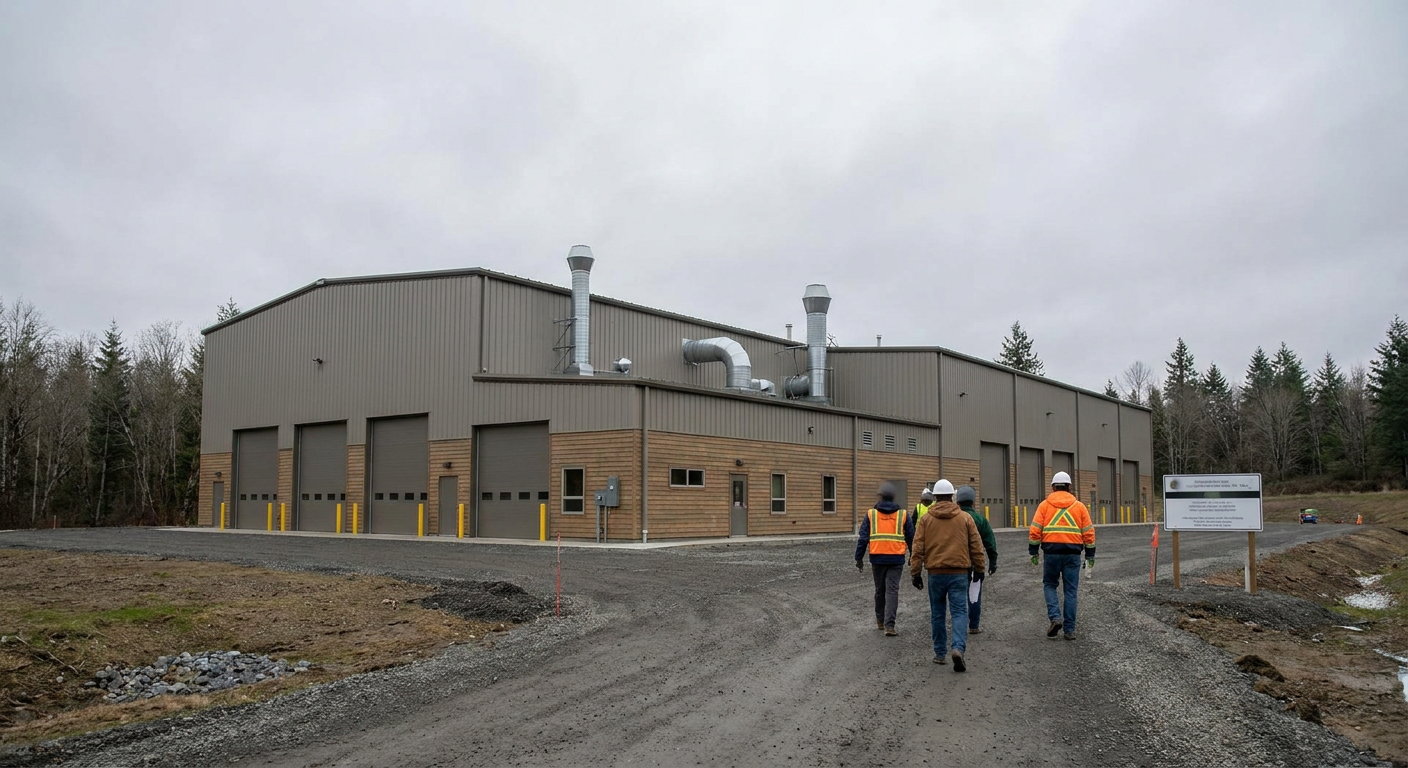
Earth Funeral has opened a 37,000-square-foot human composting facility in Elkridge, Maryland, which is currently the largest of its kind in the United States. The site contains 126 rotating vessels designed to process remains into soil, with a total annual capacity of 2,000 bodies. This facility marks the first large-scale option for human composting on the East Coast, as previous facilities were located only in Washington state and Nevada.
Human composting, also known as natural organic reduction, is a month-long process where human remains are placed in vessels with mulch, bacteria, and fungi. The process yields approximately 300 pounds of nutrient-rich soil per person. According to the company, bones are pulverized and mixed into the final soil, which families can then choose to keep or donate to land conservation and environmental restoration projects.
The opening follows a trend in American funeral preferences. A survey conducted this year by Wake Forest University found that more than 50% of respondents would consider alternative interment options like composting or green burial. Tanya Marsh, an expert in funerary law at Wake Forest, stated that 14 states have legalized the practice in the last 17 years, with over a dozen others currently considering similar legislation.
The scale of the facility allows for the processing of 2,000 bodies annually, potentially reducing the use of fossil fuels and chemical treatments in the region. Supporters, including Maryland Delegate Jessica Feldmark (D), noted that human composting avoids the approximately 600 pounds of fossil fuels used per cremation and prevents the use of formaldehyde-based embalming fluids that can leach into groundwater from traditional cemeteries. For an individual household, this change means a shift from receiving ashes or maintaining a grave site to receiving roughly 300 pounds of soil within 30 days of the start of the process.
The establishment of this facility reflects a rapid shift in state laws and consumer demand. While cremation took a century to reach a 10% adoption rate in the U.S., current data shows 62% of Americans now choose it, and interest in composting is growing quickly. The presence of a high-capacity facility in Maryland may serve as a model for other states currently debating legalization. Moving forward, families in the Mid-Atlantic and East Coast regions can now utilize this local option as an alternative to existing funeral practices. Filing and effective dates for legislation in additional states remain under consideration.