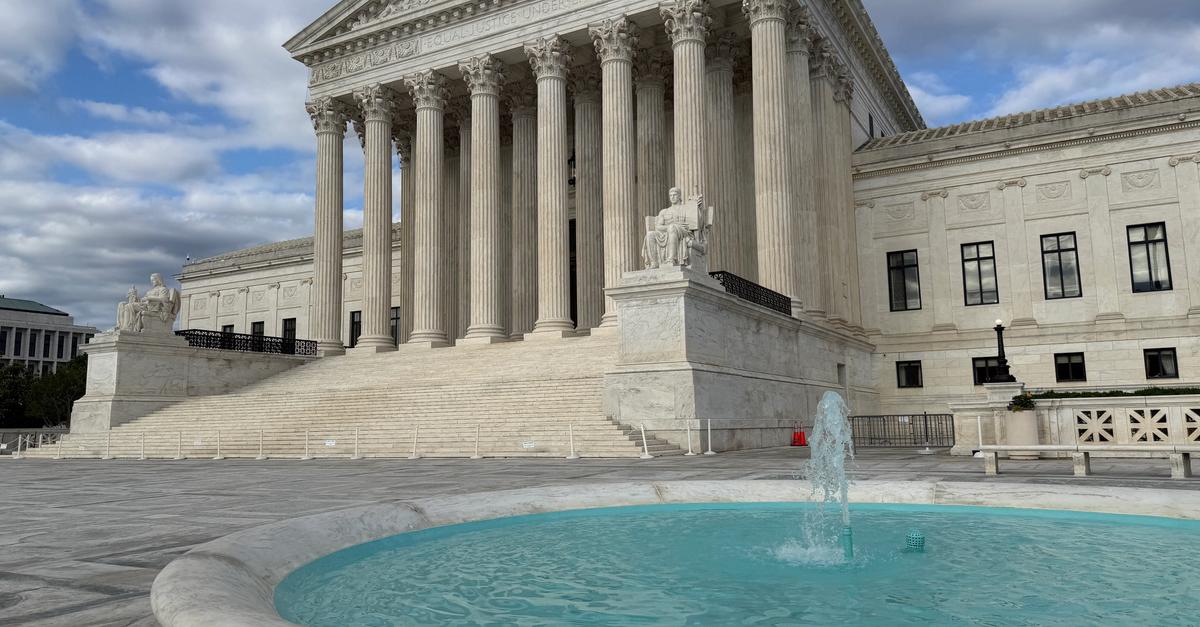
Constitutional law professor Josh Blackman proposed on Tuesday that the chief justice of the United States should voluntarily delegate presiding duties to associate justices. The proposal, published in a commentary for SCOTUSblog, suggests that rotating the responsibilities for oral arguments and private conferences would promote trust within the Supreme Court and allow for experimentation with different leadership styles.
Under current practice, the chief justice is a lifetime appointment who manages the court’s public sessions and private conferences where justices vote on cases. Blackman stated that while the Constitution and the Judiciary Act of 1789 establish the office, they do not explicitly define these presiding powers, which have largely been acquired through tradition. He noted that other federal and state courts frequently rotate leadership based on seniority or elections.
The proposal identifies two primary roles for delegation: presiding over oral arguments, where the chief acts as a "traffic cop" for questioning, and leading private conferences where opinions are assigned. Blackman noted that Chief Justice John Roberts is in the majority more than 90% of the time, allowing him to decide who writes nearly every majority opinion. The commentary suggests a rotation system where justices could draw lots for a term or rotate presiding duties monthly.
The scale of the chief justice's current influence is reflected in the workload of the court, which recently decided approximately 50 to 100 cases during historical periods when the office was vacant. For the justices themselves, the change would alter their daily workflow and seniority-based protocols. A junior justice, such as Justice Ketanji Brown Jackson, could manage the courtroom dynamics, while the chief justice would temporarily move to an associate's seat. This would replace the current "gerontocracy" or seniority-based system with a more collaborative model.
The knock-on effects could include a change in how the court handles its "discussion list" for petitions and emergency applications. Blackman cited past instances, such as during the illness of Chief Justice William Rehnquist in 2004, where Justice John Paul Stevens presided over landmark cases and assigned circuit responsibilities. While no formal legislation or rule change has been introduced to implement this, the proposal suggests the court could adopt these changes voluntarily to prepare for instances where a chief justice's faculties might diminish due to age. No specific date for a vote or implementation was reported.