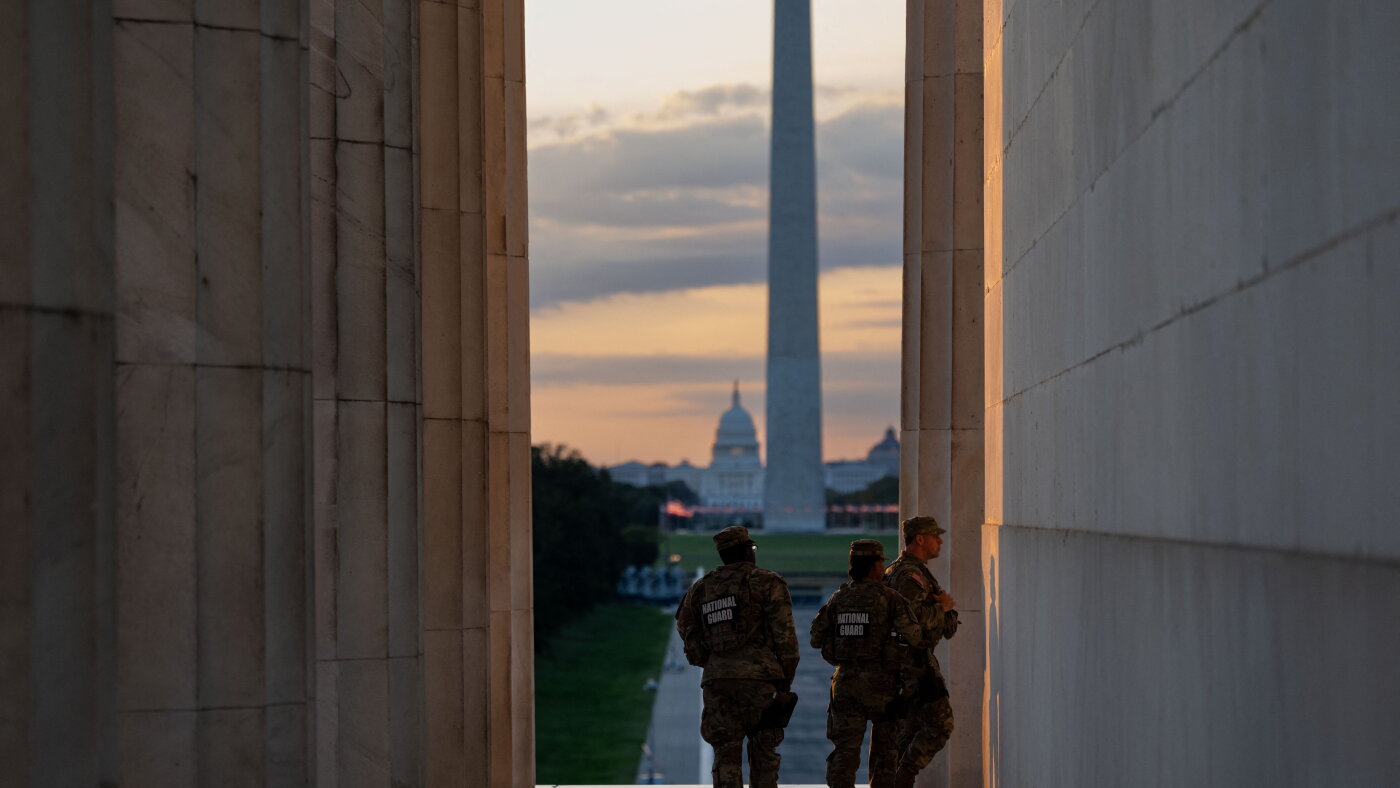
Democratic lawmakers, retired military leaders, and civil rights organizations are seeking assurances from the Trump administration that federal troops and law enforcement will not be deployed to polling places for the 2026 midterm elections. The requests follow statements by President Trump and other officials that have not ruled out such actions. While the National Guard can legally support election logistics under the orders of state governors, federal law generally prohibits the deployment of armed federal agents or military troops to polling locations.
The concerns have intensified following the U.S. Supreme Court's September 2026 rejection of an executive order that sought to limit mail-in voting. Retired Air Force Major General Steven Lepper, part of the Former Judge Advocates Working Group, stated that as the administration’s legal options to limit voting methods decrease, the possibility of military involvement increases. Lepper noted that an executive order designating antifa as a terrorist organization could potentially be used to justify invoking the Insurrection Act during polling place disruptions.
When asked by reporters in May about deploying the National Guard or Immigration and Customs Enforcement (ICE), President Trump stated he would do "anything necessary" to ensure "honest elections." Similarly, Homeland Security Secretary Markwayne Mullin stated this month that ICE agents could serve warrants at polling places. In response to inquiries from Sen. Elissa Slotkin (D-MI), Gen. Dan Caine, Chairman of the Joint Chiefs of Staff, stated on August 28 that there are "no plans" to send U.S. troops to the polls.
For an individual voter, a federal deployment could mean encountering armed agents or troops while attempting to cast a ballot at a local precinct. Legal experts and civil rights organizations, such as American Oversight, note that a recently public internal Department of Homeland Security (DHS) memo outlines a path to deputize National Guard members as immigration enforcement officers. This could change the experience of voting by introducing federal law enforcement presence into a process typically managed by local and state officials. Such a move would likely face immediate legal challenges, though experts like Lepper warn that court rulings might not occur until after the election is finalized.
The knock-on effects could include a "chilling effect" on voter turnout, especially among limited English proficient (LEP) voters or those in jurisdictions with 287(g) agreements with ICE. If federal agents are deployed, it could set a new precedent for federal intervention in state-run elections, potentially affecting future policy on the Posse Comitatus Act, which limits the military's role in domestic law enforcement. What happens next depends on the actions of individual state officials and the federal government as Election Day approaches in November 2026; Secretaries of State have been urged to train local workers on how to identify and report federal voter intimidation.