The Plain Record

Neutral daily news — clear headlines, complete facts.

Legal

Lawsuit Over AI-Generated Meme Characters Challenges Intellectual Property Rules

A California court case involving the Roblox game 'Steal a Brainrot' tests whether AI-generated characters are eligible for copyright and trademark protection.

Published August 20, 2026 at 8:00 PM EDT

The short answer

A California court case involving the Roblox game 'Steal a Brainrot' tests whether AI-generated characters are eligible for copyright and trademark protection. A lawsuit filed in a California court is addressing whether characters generated by artificial intelligence can be protected by intellectual property laws.

Lawsuit Over AI-Generated Meme Characters Challenges Intellectual Property Rules

The Facts

Who
Do Big Studios, Mementum Lab, and creator Fernanda Bagas Indrastata.
What
A legal battle over the ownership of AI-generated characters.
When
August 2026
Where
California, United States
Why
To determine if human prompts for AI image generators constitute enough authorship to qualify for legal protection and licensing revenue.

Timeline of what happened

Key dates and decisions, in the order they occurred.

  1. 2024

    Game launch

    Do Big Studios launches 'Steal a Brainrot' on the Roblox platform.

  2. 2025

    Italian brainrot memes go viral

    The AI-generated meme trend gains significant traction on social media and YouTube.

  3. July 2026

    Amended complaint filed in court

    Do Big Studios files an amended complaint to invalidate Mementum Lab's rights.

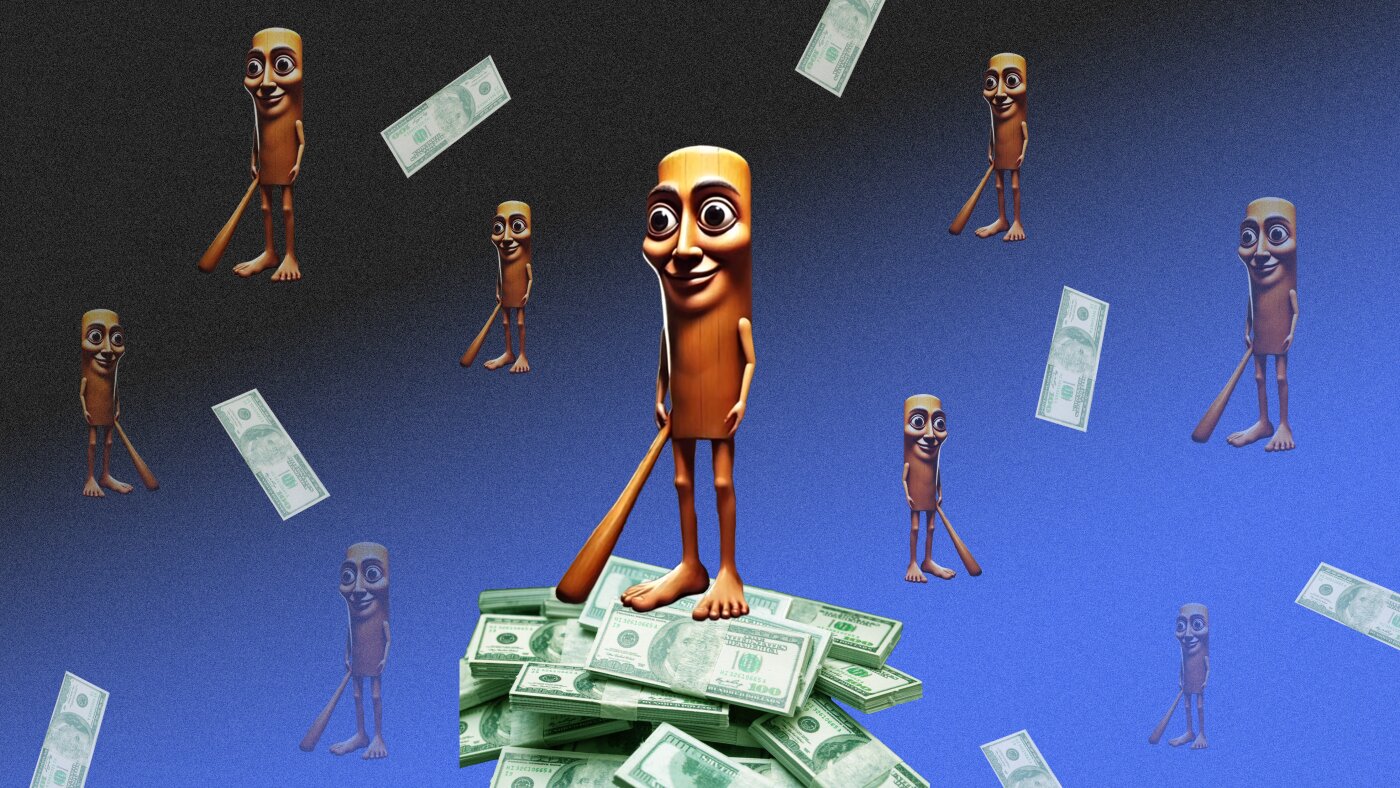
A lawsuit filed in a California court is addressing whether characters generated by artificial intelligence can be protected by intellectual property laws. The case centers on "Tung Tung Sahur," a digital character used in the popular Roblox game "Steal a Brainrot." The dispute pits the game's developer, Do Big Studios, against Mementum Lab, a French startup representing the individuals who first prompted the AI to create the character.

The legal conflict began after Sam Brakta, owner of Do Big Studios, received a licensing request from Mementum Lab. The French company sought payment for the use of Tung Tung Sahur, which resembles a wooden stick with human limbs. Rather than paying, Do Big Studios filed a complaint in July to invalidate Mementum's claims, arguing that AI-generated material does not qualify for copyright protection because it lacks human authorship.

According to court records, Tung Tung Sahur was created in 15 minutes by an Indonesian man using seven prompts in an AI image generator. The character is modeled after a "kentongan," a traditional Indonesian drum used to wake people for pre-fast meals during Ramadan. While Mementum Lab has countersued for trademark infringement to seek damages, Do Big Studios maintains that typing prompts into a generator does not constitute legal authorship under U.S. Copyright Office guidelines.

The scale of the impact is significant, as "Steal a Brainrot" is currently a top-rated game on the Roblox platform, attracting hundreds of thousands of active players at any given time. For individual creators like the Indonesian artist known as Noxa, the outcome determines whether they can claim a share of the revenue from characters they prompted into existence. For the broader public, this decision will influence the cost and availability of digital content, as licensing fees are often passed down to consumers through in-game purchases or subscription costs.

Beyond the immediate financial stakes, the case sets a precedent for how trademark law might be used to bypass current copyright restrictions on AI art. Legal experts note that while the U.S. Copyright Office requires human involvement for authorship, the standard for "originality" remains low. The California court will likely determine if the specific cultural context and prompting process behind Tung Tung Sahur meet that threshold. A final decision date has not been reported, but the outcome will clarify the legal status of AI content for the foreseeable future.

Summaries are written by The Plain Record to state the facts of a story plainly and without political slant. See our editorial standards, or report a correction.

← Back to the front page

Questions readers ask

What happened: Lawsuit Over AI-Generated Meme Characters Challenges Intellectual Property Rules?

A lawsuit filed in a California court is addressing whether characters generated by artificial intelligence can be protected by intellectual property laws. The case centers on "Tung Tung Sahur," a digital character used in the popular Roblox game "Steal a Brainrot." The dispute pits the game's developer, Do Big Studios, against Mementum Lab, a French startup representing the individuals who first prompted the AI to create the character.

Who is involved?

Do Big Studios, Mementum Lab, and creator Fernanda Bagas Indrastata.

When did this happen?

August 2026

Where did this happen?

California, United States

Why does this matter?

To determine if human prompts for AI image generators constitute enough authorship to qualify for legal protection and licensing revenue.